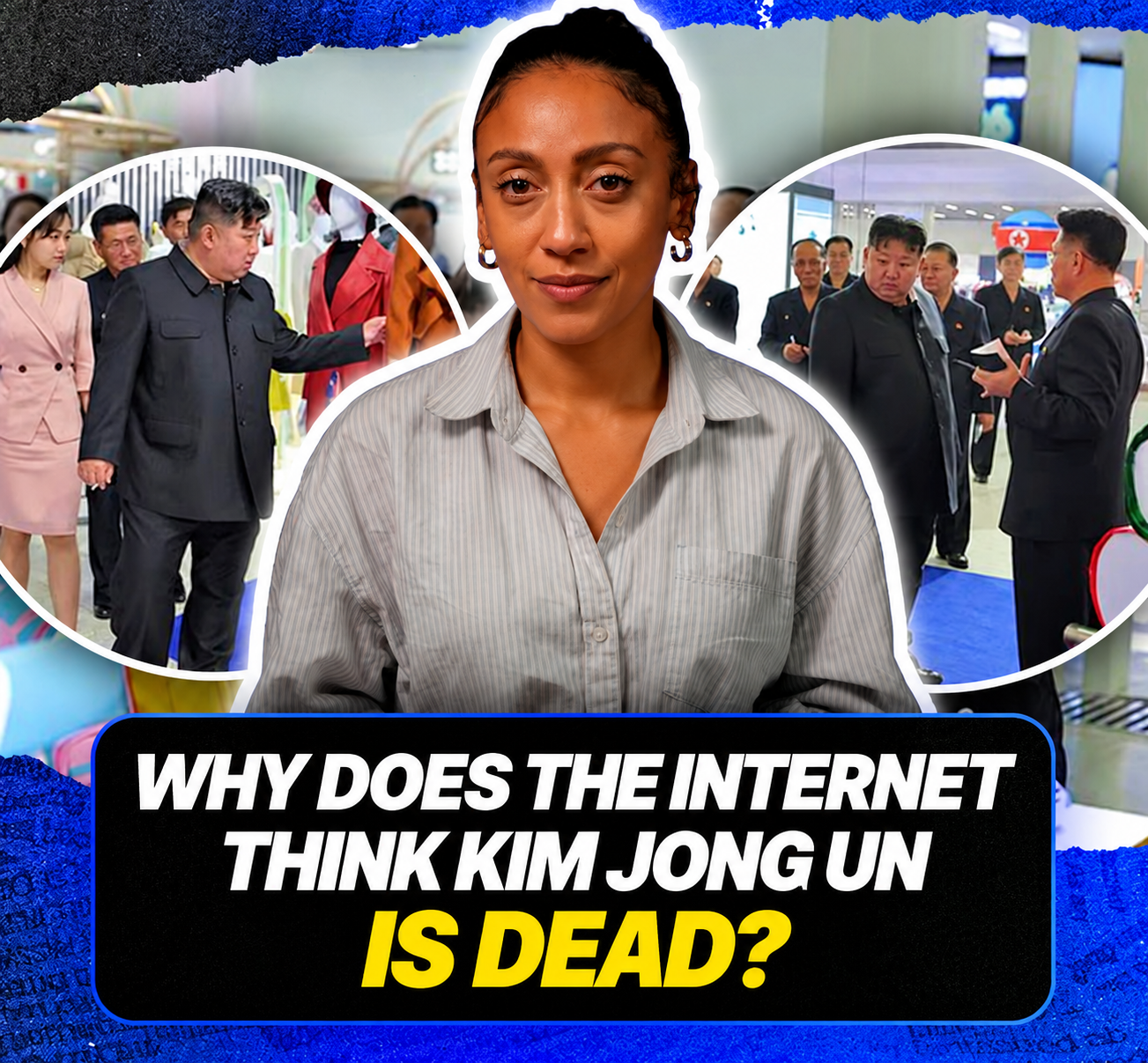
Rumors about North Korean leader Kim Jong-un’s death have spread online, but the claims remain unverified. Here is what the available information tells us.
Why Are Rumors About Kim Jong-un’s Death Spreading Online?
Rumors claiming that North Korean leader Kim Jong-un has died have circulated online, prompting renewed questions about his health and whereabouts. However, the claims described in recent reports remain unverified, and there is no credible evidence presented to establish that he has died.
The speculation reportedly began after a Chinese dissident claimed that Kim had suffered a brain hemorrhage, fallen into a coma and been taken to a hospital in Beijing. The individual also alleged that Kim had died and that his body had been secretly returned to North Korea.
These claims attracted attention online, but no independently verified evidence was provided to substantiate the alleged medical emergency or death.
North Korean State Media Releases New Images
Following the circulation of the rumors, North Korean state media released photographs that reportedly showed Kim Jong-un inspecting shoes and clothing alongside his teenage daughter.
According to the state media report described in the original account, the photographs were taken on Monday. However, the date and circumstances of the images had not been independently verified.
The publication of the photographs provided a new development in the story, but it is important to distinguish what state media reported from what outside observers have independently confirmed.
What Do South Korean Officials Say?
South Korean officials reportedly said they had received no information supporting claims that Kim Jong-un had died.
Statements from officials monitoring North Korea are relevant, but the absence of supporting information should not be interpreted as independent proof of every detail surrounding Kim’s health.
As with other breaking international stories, the most reliable assessment depends on corroboration from credible sources and a clear distinction between confirmed facts, official statements and speculation.
Why Is Kim Jong-un’s Health Frequently Discussed?
Kim Jong-un’s health has attracted international attention for years. Because North Korea is highly restrictive about information concerning its leadership, outside observers often have limited access to reliable details about the leader’s medical condition.
Periods when Kim appears less frequently in public can lead to speculation, particularly when official information is scarce. However, a lack of public appearances does not, by itself, establish that a leader is seriously ill or has died.
Claims involving medical emergencies should therefore be evaluated carefully. Anonymous allegations, unverified reports and social media posts are not sufficient to establish a person’s medical condition or confirm a death.
How to Separate Verified Information From Online Rumors
Readers can evaluate reports about major political figures by following several basic steps:
- Look for independent confirmation: Check whether multiple credible news organizations have verified the same information independently.
- Identify the original source: Determine who first made the claim and whether verifiable evidence is available.
- Distinguish reporting from speculation: Treat unconfirmed allegations cautiously.
- Check image context: A photograph may be genuine without proving when or where it was taken.
- Wait for reliable updates: Early reports may change as additional evidence becomes available.
Is There Credible Evidence That Kim Jong-un Has Died?
Based on the information described in the original report, the claim that Kim Jong-un has died is not supported by credible, independently verified evidence.
North Korean state media has published photographs reportedly showing him participating in an official activity, while South Korean officials have said they have no information supporting the death claims. The photographs’ reported timing has not been independently confirmed in the account provided.
The available information therefore does not establish that Kim Jong-un has died. Further developments should be assessed using verified reporting and statements from reliable sources rather than online speculation.
Conclusion
Rumors about Kim Jong-un’s death illustrate how uncertainty surrounding a highly secretive government can fuel speculation across the internet.
Although the claims of a brain hemorrhage, coma and death have attracted attention, they should not be treated as established facts without credible supporting evidence.
Readers should follow reliable news organizations for further developments and avoid sharing unconfirmed claims as fact.