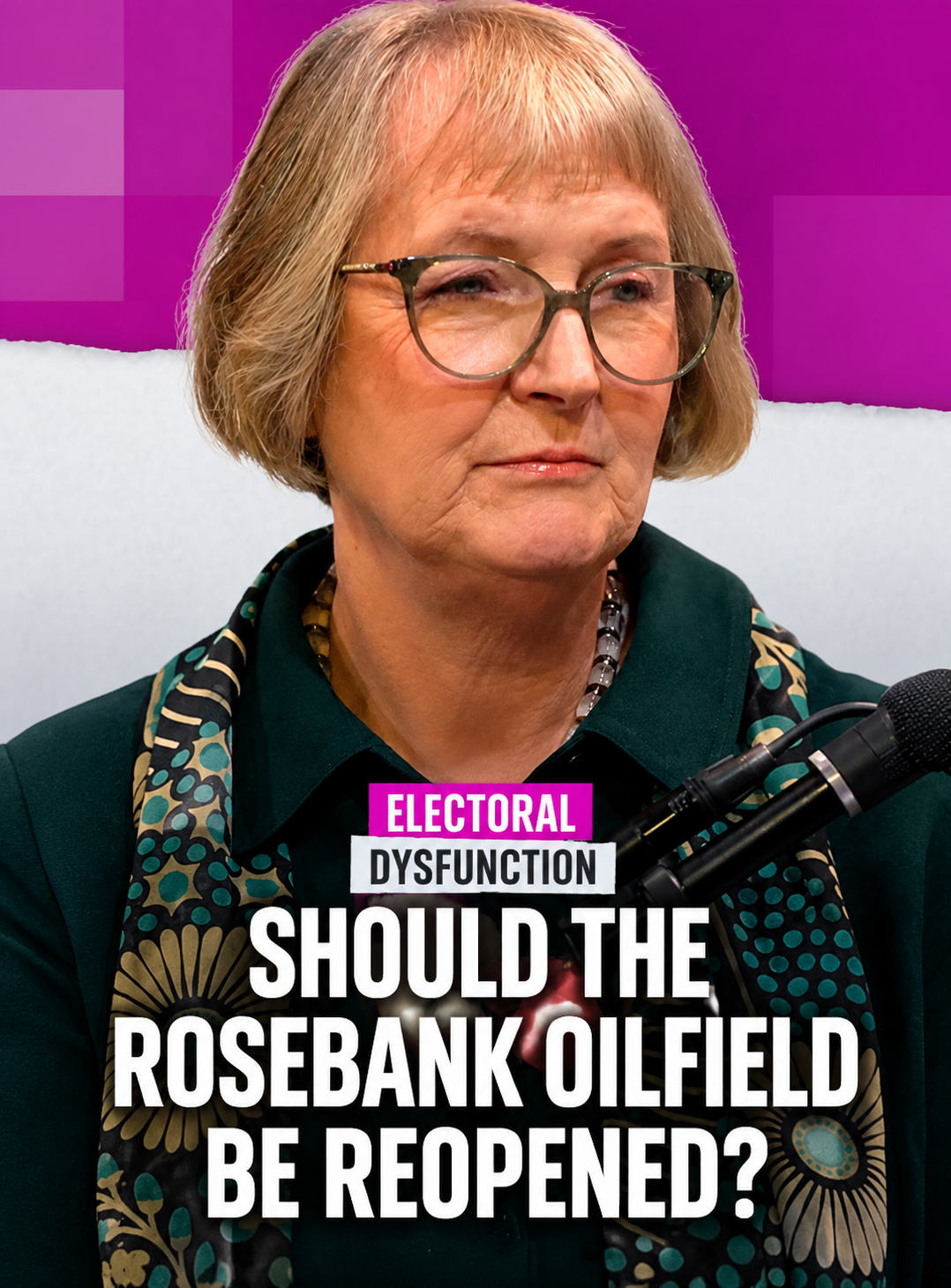
# UK Energy Licences Debate: Growth, Green Investment and the Rosebank Oilfield
“`html
A debate over energy licensing in the UK is highlighting the government’s challenge of balancing economic growth, public revenue and investment in renewable energy.
Government Faces Decisions Over Energy Licensing
The UK government’s approach to energy licensing is expected to remain a significant political issue, particularly as ministers weigh the potential economic benefits against environmental priorities.
One political commentator predicted that the licences under discussion would likely be approved, arguing that the government should make a stronger case for how the decision could support the country’s wider energy transition.
The debate centres on two main arguments: the potential contribution of energy projects to economic growth and public finances, and the opportunity to use the resulting revenue to accelerate investment in cleaner energy sources.
Economic Growth and Treasury Revenue
Supporters of approving the licences argue that energy development could help stimulate economic activity and generate additional revenue for the Treasury.
These potential financial benefits form a central part of the government’s case. However, the discussion also raises questions about how any economic gains could support the UK’s longer-term environmental objectives.
Environmental Conditions and the Energy Transition
Another argument in favour of the proposed approach is that, if gas continues to play a role in the UK’s energy mix, the government could seek to manage its development through specific conditions.
Under this argument, regulatory oversight could help shape how energy projects operate while the country continues to develop alternative sources of energy.
The proposal reflects a wider policy debate about how governments can balance energy security, economic priorities and environmental commitments during the transition to a lower-carbon economy.
Energy Wealth Fund Could Support Renewable Investment
A key element of the discussion is the proposed energy wealth fund, which could direct some of the financial benefits associated with energy development towards investment in the UK’s domestic renewable energy sector.
The commentator highlighted the potential importance of this approach, suggesting that revenue generated from energy projects could help accelerate investment in homegrown renewable technologies and infrastructure.
The broader objective is to strengthen the UK’s capacity to expand cleaner energy production while working towards its target of reaching net zero emissions by 2050.
The effectiveness of such a fund would depend on how it is designed, how much funding it receives and how effectively the money is allocated to projects that support the energy transition.
Rosebank Expected to Become a Major Political Battle
The discussion also points to the Rosebank oilfield as a potentially more significant political flashpoint in the wider energy debate.
According to the commentator, conversations with members of Parliament and a government minister suggested that Rosebank could become the focus of a much larger political dispute.
The issue raises a strategic question for the government: after facing political criticism over one energy decision, should it pursue further approvals or take a more cautious approach?
How ministers handle the Rosebank question could influence the political debate over energy security, fossil fuel development and the pace of the UK’s transition towards renewable energy.
Can Energy Development and Net Zero Goals Coexist?
The debate illustrates the challenge of pursuing economic growth while maintaining progress towards climate objectives.
Supporters of energy licensing emphasise potential economic activity, government revenue and the importance of managing the country’s energy needs. Critics may question whether continued investment in fossil fuel projects is consistent with the speed of transition required to meet climate commitments.
Directing some energy-related revenue towards renewable infrastructure could form part of the government’s response, although the long-term impact would depend on implementation and the scale of investment.
What Happens Next?
The future of the licences and the political debate surrounding Rosebank remain important questions for the UK’s energy policy.
The commentator expects the licences under discussion to be approved and argues that the government should clearly explain how the financial proceeds could help expand domestic renewable energy.
Ultimately, the debate will test whether the government can present a convincing strategy that addresses economic growth, energy security and environmental responsibility at the same time.
“`