A senior police leader has condemned discriminatory online attacks against an officer recognised for her work in diplomatic and parliamentary protection.
A senior police leader has defended a Muslim police officer who has faced online abuse following recognition for her work in diplomatic and parliamentary protection.
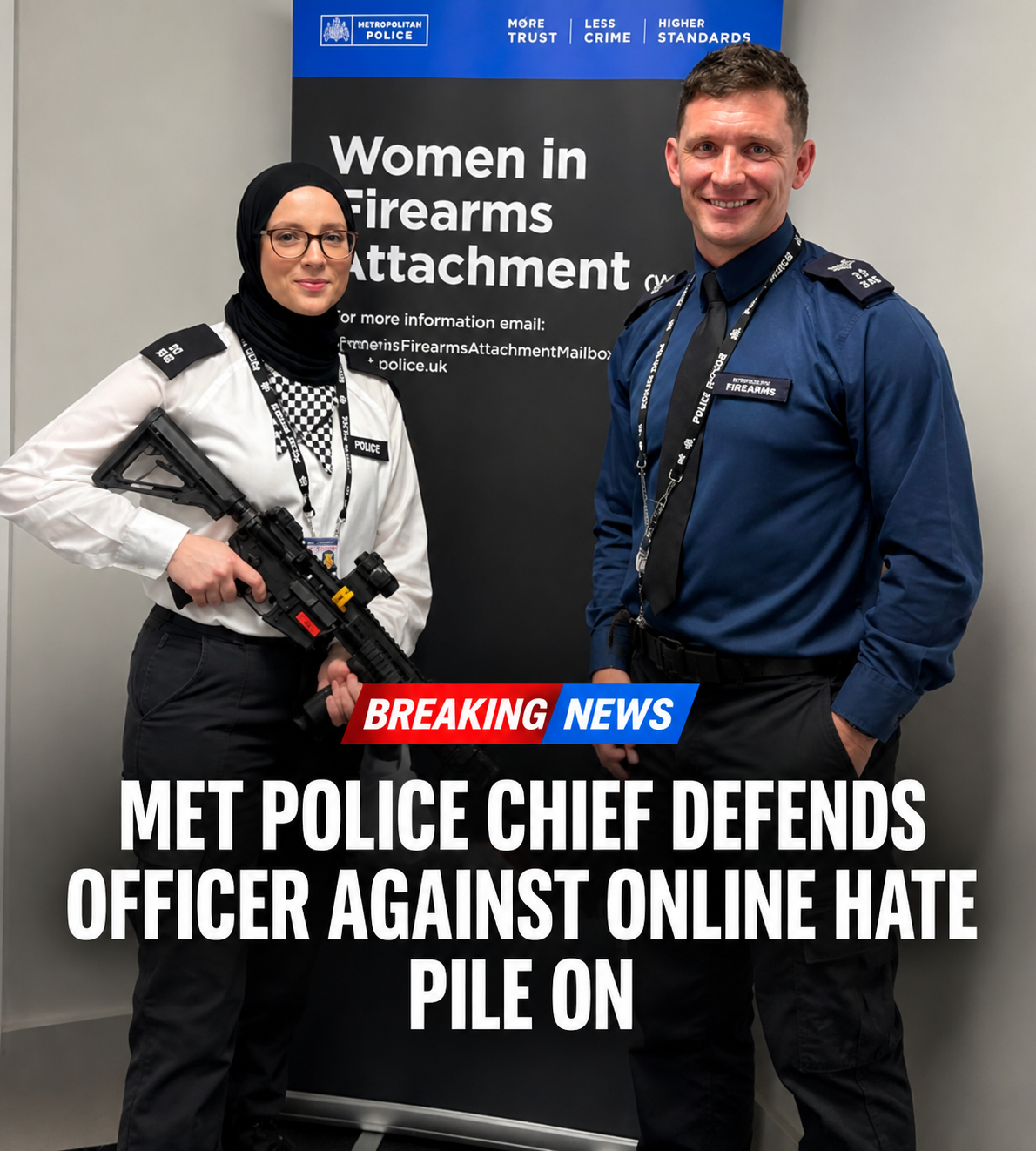
The officer, who wears a hijab, was commended by the Police Federation for her professional contribution to protecting Members of Parliament (MPs) from threats and abuse. However, a photograph of her shared online reportedly triggered hostile comments, including racist and anti-Muslim attacks.
The police leader said officers who carry out challenging public service roles should know they have the support of their organisation, particularly when they become targets of unfair personal attacks.
Officer Recognised for Her Work in Parliamentary Protection
The officer works in diplomatic and parliamentary protection, an area of policing that involves helping safeguard public officials against potential threats.
According to the police leader, her work had received positive recognition before the online controversy emerged. He described her as a practical operational officer who contributes to protecting MPs from the threats and abuse they may encounter.
He also highlighted the significance of her position as a Muslim woman wearing a hijab in this specialist policing role.
Concerns Over Racist and Anti-Muslim Abuse
The police leader expressed concern about the nature of the online response, describing some of the material directed at the officer as deeply offensive.
He referred to AI-generated images that allegedly depicted her wearing a suicide vest, alongside other abusive content. Such imagery can contribute to harmful stereotypes and intensify targeted harassment.
He also raised a wider concern about the experiences of women officers and officers from Black and Asian backgrounds, saying they can face more public abuse than their white colleagues.
His comments highlighted the importance of ensuring that police personnel can perform their duties without being subjected to discriminatory harassment.
Debate Over a Photograph of the Officer Holding a Firearm
The discussion also addressed criticism of a photograph showing the officer holding a firearm.
The police leader explained that the image had been taken two or three years earlier during a familiarisation course. He said the weapon was unloaded and that the photograph was not taken during an operational incident.
He argued that criticism of the officer’s handling of the firearm should be considered in the proper context, rather than being treated as evidence of misconduct based solely on an image.
Questions about police training and firearm handling can be valid subjects for public debate. However, such concerns should be assessed using reliable evidence and the circumstances in which an image was taken.
Police Leadership Says Supporting Officers Is Not Favouritism
During the exchange, the police leader rejected suggestions that his public defence of the officer amounted to favouritism.
He pointed to other occasions when he had defended officers facing criticism over their actions during dangerous incidents, including an incident involving a suspected terrorist attack in north London.
He said supporting officers who undertake difficult and potentially dangerous duties was a regular responsibility of police leadership, rather than special treatment for an individual.
According to his remarks, officers need confidence that their organisation will support them when they face unfair attacks while carrying out their responsibilities.
Balancing Public Accountability and Protection From Harassment
The controversy raises broader questions about how public institutions should respond when employees face criticism on social media.
Police officers are subject to public scrutiny, and concerns about their conduct, training or professional decisions should be examined fairly. At the same time, criticism of public servants is different from targeted harassment based on race, religion or other personal characteristics.
A balanced approach allows legitimate questions about police conduct to be investigated while making clear that discriminatory abuse and fabricated or manipulated imagery should not be normalised.
For police organisations, the challenge is to maintain public trust, ensure professional accountability and provide a working environment in which officers can carry out their duties safely.
Conclusion
The police leader’s defence of the officer focused on her professional contribution, the online abuse she reportedly experienced and the importance of supporting personnel who perform demanding public service roles.
The discussion also underlined the need to distinguish evidence-based criticism from discriminatory personal attacks.
As social media continues to shape public debate, the treatment of public servants online remains an important issue for police organisations, communities and wider society.