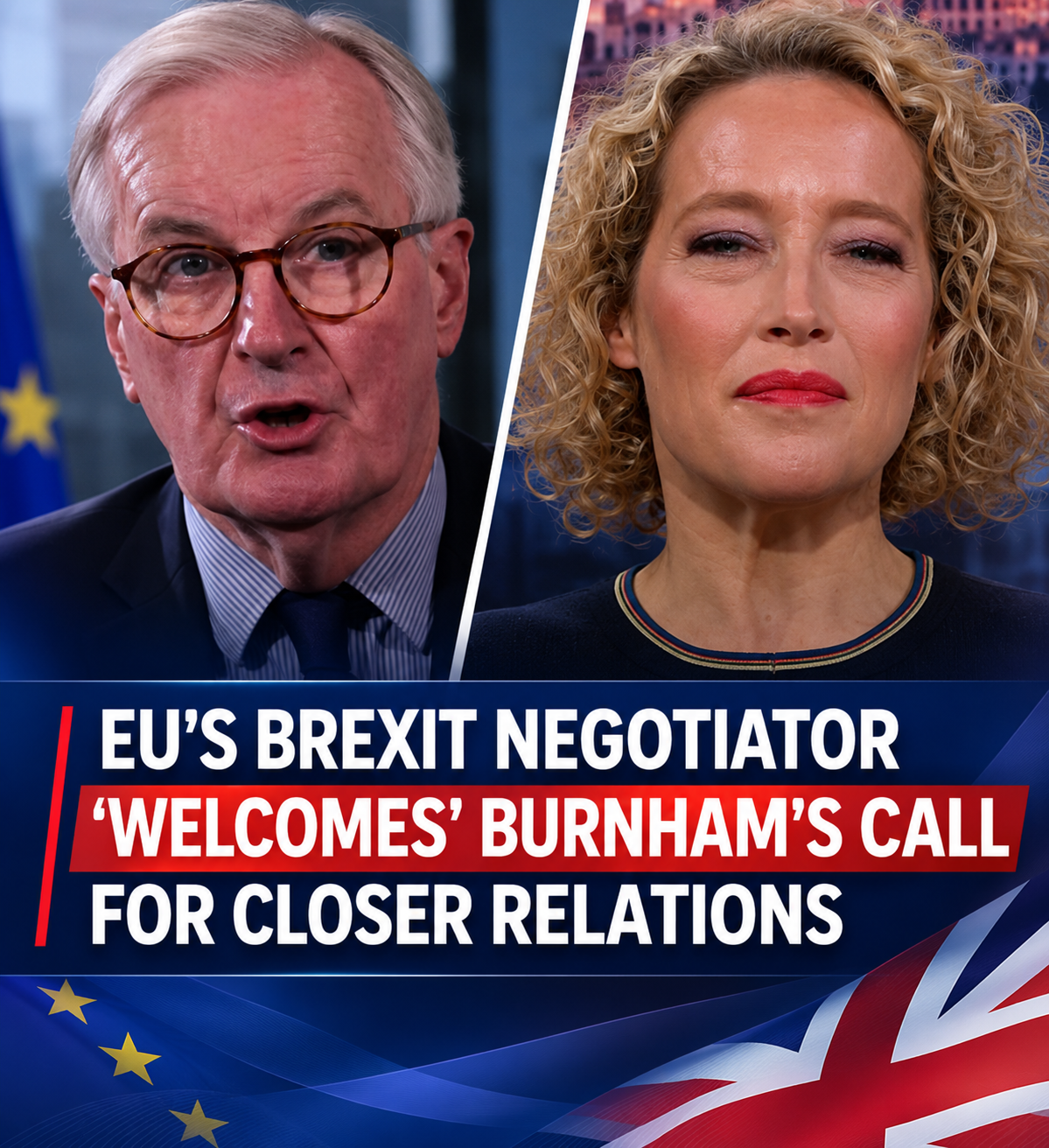
European Union representatives have indicated that the United Kingdom could potentially negotiate a return to the EU without an immediate obligation to adopt the euro. However, joining the single market remains a firm requirement, with no room for selective participation.
Potential Flexibility Over Euro Adoption
Discussions about the possibility of the United Kingdom rejoining the European Union have highlighted potential flexibility over one of the bloc’s key membership conditions: adopting the single currency.
During a recent interview, a senior European representative explained that if the UK decided to request a new negotiation to rejoin the EU, discussions could begin without necessarily requiring the country to commit to adopting the euro.
The remarks challenge the assumption that returning to the European Union would automatically mean accepting the euro as part of the process. While the issue could potentially be open to discussion, the representative emphasized that other fundamental membership conditions would remain unchanged.
Single Market Membership Remains Non-Negotiable
Despite the possibility of flexibility regarding the euro, the European Union’s position on single market participation remains firm.
The representative stressed that membership of the single market would be an essential condition for the United Kingdom if it sought to rejoin the European Union. There would be no possibility of selecting only certain benefits while avoiding the broader obligations associated with participation.
This position reflects the EU’s longstanding principle that access to the single market comes with shared rules and responsibilities. The representative specifically rejected any approach based on cherry-picking or an à la carte arrangement.
For the UK, this means that any future discussions about rejoining would need to recognize the conditions attached to participation in the European single market.
Positive Signals for Improving EU-UK Relations
Beyond the question of full EU membership, the interview also explored opportunities to strengthen relations between the United Kingdom and the European Union.
The representative welcomed proposals from British political figures aimed at improving the existing relationship between both sides. In particular, efforts to develop closer cooperation were described as positive steps toward rebuilding constructive relations.
According to the representative, there are numerous areas in which the EU and UK could improve their cooperation independently of membership in the single market or customs union.
This suggests that closer relations do not necessarily have to depend on an immediate decision about the UK’s future membership status.
Assessment of Previous British Prime Ministers
During the conversation, the interviewer also raised comments the representative had previously made about several former British prime ministers in personal diaries.
Theresa May had been described as rigid, while Boris Johnson’s approach to politics was characterized as almost childish. Rishi Sunak, meanwhile, had received a more positive assessment and was described as competent.
The interviewer then asked for an opinion about Andy Burnham and whether the representative had developed an assessment of his political approach.
In response, the representative clarified that there was no personal acquaintance with Burnham. However, they had followed his public statements and political activities in the United Kingdom.
The representative welcomed Burnham’s willingness and proposals to strengthen and improve relations between the EU and the UK.
What This Could Mean for Future UK-EU Relations
The interview highlights two important aspects of the future relationship between the United Kingdom and the European Union.
First, there may be room for discussion over certain membership conditions, particularly regarding the adoption of the euro. Second, the European Union continues to maintain clear boundaries concerning the single market and the principle that its benefits cannot be separated from its obligations.
Although the possibility of renewed negotiations remains dependent on a political decision by the United Kingdom, the comments indicate that discussions about closer cooperation could continue even without immediate progress toward full EU membership.
For now, the future of UK-EU relations will depend on political developments and the willingness of both sides to identify areas of mutual interest while respecting their respective positions.
Conclusion
The possibility of the UK returning to the European Union remains a complex political issue. While there may be flexibility regarding the euro requirement, access to the single market is still considered a non-negotiable condition.
At the same time, positive attitudes toward improving bilateral relations suggest that cooperation between London and Brussels could develop further, regardless of whether the UK decides to pursue full EU membership again.