The UK government is calling on YouTube to remove recent content featuring Russell Brand, arguing that the videos could cause further distress to victims. However, the request has sparked debate over platform responsibility, freedom of expression, and the limits of government intervention.
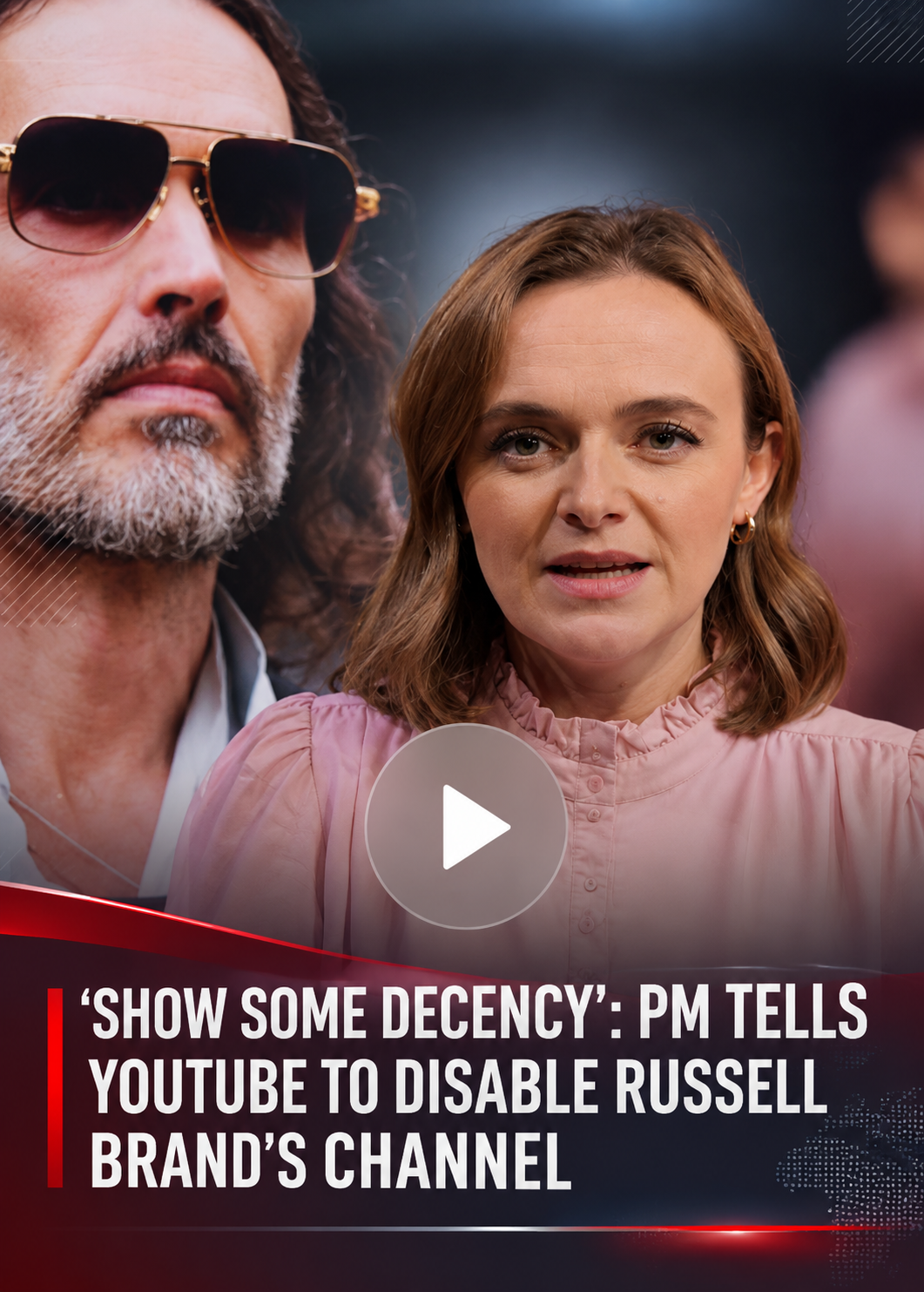
The UK government has increased pressure on YouTube to remove videos featuring former comedian and media personality Russell Brand, following renewed concerns about the potential impact of his online content on alleged victims.
The debate centers on a video recently published on Brand’s YouTube channel, in which he addressed the allegations against him and maintained that he was innocent. The video has prompted criticism from government figures, who argue that public attention should remain focused on those affected by the case.
Government Calls on YouTube to Take Action
Prime Minister Keir Starmer’s position has been made clear through statements from government representatives, who have emphasized the importance of considering the experiences and well-being of victims.
Government figures have questioned why Brand continues to have access to a major online platform, particularly given the sensitive nature of the allegations and legal proceedings surrounding him.
Several politicians have called on YouTube to remove the videos, arguing that social media companies should take greater responsibility for the content they host.
Their concerns are primarily focused on the potential distress experienced by victims when content involving the case receives renewed public attention.
Meta’s Decision Raises Questions About YouTube
The discussion has also drawn attention to the actions taken by Meta, the parent company of Facebook and Instagram.
Meta has disabled Brand’s accounts on its platforms, prompting politicians from different political parties to question why YouTube has not taken similar action.
Some lawmakers argue that technology companies should apply consistent standards when dealing with individuals facing serious legal consequences.
They believe that removing certain accounts or content could demonstrate a stronger commitment to protecting people affected by high-profile cases.
However, the situation also raises broader questions about how independently operated social media platforms should determine which content remains available to the public.
Conservatives Question Government Intervention
Not everyone supports the government’s approach.
Conservative Party leader Kemi Badenoch has expressed concerns about ministers pressuring privately owned technology companies to remove content without a clear legal basis.
Her position reflects a broader debate about the relationship between government authority, freedom of expression, and the independence of digital platforms.
Downing Street has acknowledged that YouTube is not currently under a legal obligation to remove the content in question.
This means the government’s request is based on political pressure and public responsibility rather than a specific legal requirement compelling the platform to act.
YouTube Reviews the Latest Video
YouTube has confirmed that it is investigating the most recent video published on Brand’s channel.
The company has also pointed out that it previously restricted Brand’s ability to generate revenue from its platform in 2023, following the emergence of allegations against him.
Despite those restrictions, his channel and its existing videos remain accessible.
The investigation highlights the challenges technology companies face when balancing their content policies, legal responsibilities, and concerns raised by the public.
A Wider Debate About Social Media Responsibility
The disagreement between the government and YouTube reflects a larger discussion about the responsibilities of major technology companies.
On one hand, platforms are expected to protect users and consider the potential harm caused by certain content. On the other hand, decisions to remove material must also account for established policies, legal standards, and freedom of expression.
For the UK government, the priority is to demonstrate support for victims and prevent further distress.
For critics of the intervention, however, allowing political pressure to determine what private platforms can publish could create concerns about government influence over online speech.
For now, Brand’s YouTube channel remains available while the platform reviews the latest video.
The outcome could become another significant test of how governments and technology companies handle controversial online content, particularly when public interest, individual rights, and the experiences of victims intersect.