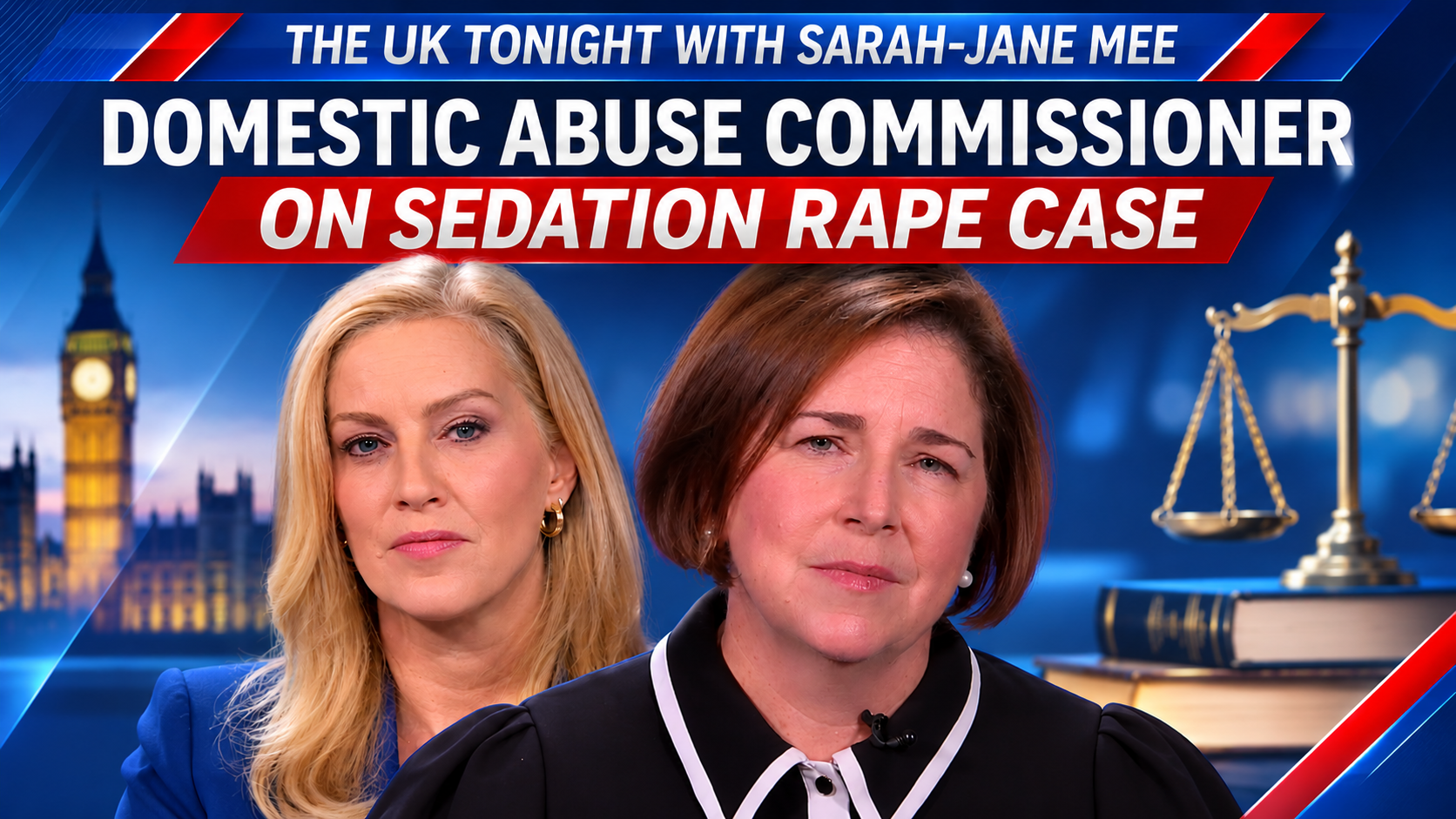
Survivors speaking out about drug-facilitated sexual assault are drawing attention to a hidden form of domestic abuse, prompting calls for stronger support systems and greater accountability.
The courage of survivors who come forward to share their experiences is bringing renewed attention to the issue of drug-facilitated sexual assault. Recent statements from victims and advocates have highlighted the scale of the problem and the challenges faced by individuals seeking justice and support.
During a discussion about a landmark case, commentators reflected on the strength demonstrated by a woman identified as Joanne, whose public statement has become an important moment in raising awareness. Her experience has also renewed comparisons with the widely discussed case of Gisèle Pelicot, which brought international attention to sexual violence involving drug administration.
A Landmark Case Bringing Hidden Abuse Into Focus
The case involving Gisèle Pelicot was widely regarded as a turning point in public conversations about sexual violence. At the time, many hoped that the case would encourage greater awareness and help prevent similar incidents.
However, advocates now warn that the issue may be far more widespread than previously understood. More victims are reportedly coming forward to describe experiences involving suspected drug-facilitated sexual assault, including incidents occurring within intimate relationships.
These developments have raised concerns about how difficult it can be to identify and report this form of abuse, particularly when the victim may not fully understand what happened.
Why Drug-Facilitated Sexual Assault Can Be Difficult to Detect
One of the most concerning aspects of drug-facilitated sexual assault is its hidden nature. Victims may experience memory gaps, confusion, or uncertainty about events that occurred while they were unable to give meaningful consent.
In some situations, individuals may only begin questioning their experiences long after the incident. They may struggle to reconstruct events or recognize that they could have been subjected to abuse.
This uncertainty can make seeking help particularly difficult. Some victims may fear they will not be believed, while others may not have enough information to explain what happened.
Domestic Abuse Services Facing Growing Challenges
Advocates have highlighted the number of people who have approached domestic abuse organizations, helplines, and awareness campaigns with concerns about possible drug-induced sexual assault.
Some individuals reportedly have partial memories of troubling experiences and are attempting to understand whether their partners may have harmed them. These concerns demonstrate why accessible support services and informed professionals are essential.
The issue also highlights the importance of recognizing sexual violence within domestic relationships. Abuse does not always involve visible physical injuries, and victims may face significant emotional and psychological barriers when seeking assistance.
Calls for Stronger Police and Healthcare Responses
The discussion has prompted calls for improvements across the services responsible for supporting victims. Police departments, healthcare professionals, domestic abuse organizations, and other frontline services need the training and resources to respond appropriately.
Advocates argue that professionals should be better equipped to recognize potential signs of drug-facilitated sexual assault, listen to victims without judgment, and provide clear guidance about available support options.
Effective responses also require coordination between different organizations so that victims are not left navigating complicated systems alone.
Holding Perpetrators Accountable
Beyond improving victim support, advocates stress the importance of ensuring that perpetrators are held accountable through appropriate legal processes.
Investigating allegations of drug-facilitated sexual assault can present particular challenges, especially when victims have limited memories or when incidents occurred some time ago. This makes sensitive investigative practices and appropriate professional support especially important.
Ensuring that victims can report their experiences safely and receive a fair response is an essential part of addressing the problem.
A Turning Point for Awareness and Victim Protection
The experiences shared by survivors such as Joanne, alongside the wider attention generated by the Gisèle Pelicot case, underline the importance of confronting forms of abuse that often remain hidden.
Greater public awareness, stronger frontline services, and effective legal responses will be essential in helping victims find support and ensuring that allegations are properly investigated.
Ultimately, survivors must be heard, supported, and treated with dignity. Their courage in speaking out can help bring greater attention to an issue that might otherwise remain unseen.