Growing domestic pressure and economic concerns raise questions about whether the US president will escalate military action or pursue a diplomatic settlement with Tehran.
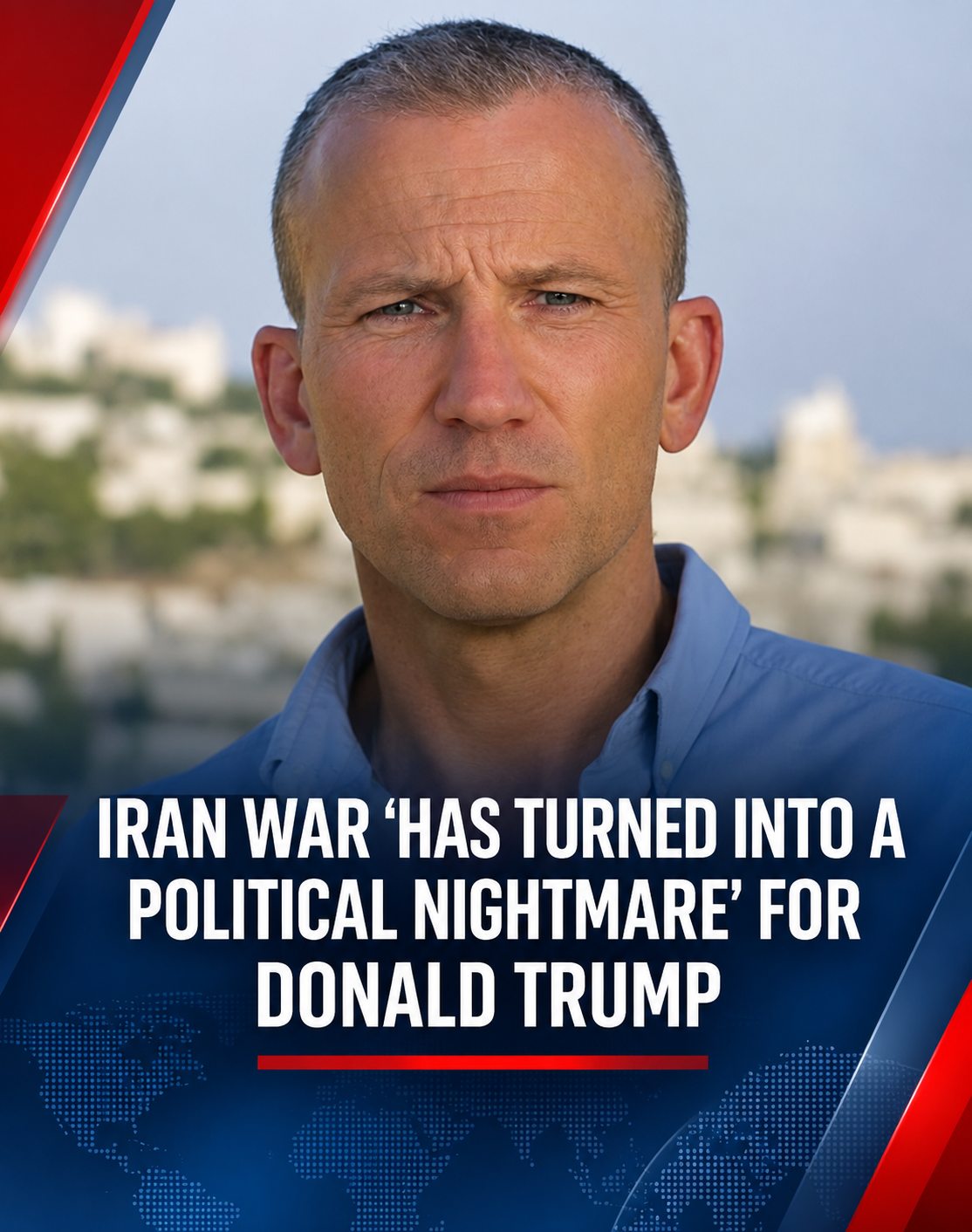
The ongoing conflict with Iran is becoming an increasingly serious political challenge for US President Donald Trump. Following a difficult midterm election result, questions are emerging over whether the White House will reconsider its military strategy or move toward a broader campaign against Tehran.
The political consequences of the conflict are becoming harder to ignore. Across the Middle East, Trump’s electoral setback is being interpreted as a possible rejection of his foreign policy approach, particularly the military campaign launched alongside Israel in February.
Trump Faces Growing Pressure to Find an Exit Strategy
After months of conflict, the Trump administration faces mounting pressure to identify a clear path forward. Continuing military operations could increase economic uncertainty and make the existing cost-of-living crisis even more difficult for American households.
However, the political situation presents a complicated dilemma. Although the president may face growing opposition at home, he could also feel pressure to demonstrate strength internationally. This raises the possibility that Washington might consider another round of limited military strikes in an attempt to secure concessions from Iran.
Such an approach could potentially allow Trump to present a diplomatic or military outcome as a victory. Military action might also shift public attention away from domestic political difficulties and the disappointing election results.
Could Political Pressure Lead to Further Military Escalation?
There are concerns that Trump’s political difficulties could influence his decisions abroad. His unpredictable leadership style has contributed to uncertainty over the administration’s next move.
Some analysts argue that a politically weakened president could become more willing to take aggressive action to reinforce his international position. Nevertheless, escalation is not inevitable.
Trump has already authorized limited military strikes around the Strait of Hormuz. The central question is whether these operations will remain limited or become part of a wider military campaign.
The midterm election results could instead encourage the administration to reconsider its approach and explore negotiations with Tehran. A broader conflict would carry additional economic and political risks, particularly for the MAGA movement.
Domestic Political Challenges Could Limit Trump’s Options
The election setback has also weakened Trump’s political position in Washington. His ability to advance legislative priorities may become more difficult as congressional opposition gains greater influence.
However, congressional resistance does not necessarily mean that further military action would be prevented. The president did not seek congressional approval before the initial military campaign, raising questions about how effectively lawmakers could constrain future decisions.
Any decision to expand the conflict would therefore involve significant political calculations, including public opinion, economic consequences and the potential impact on America’s international relationships.
Iran Responds to Trump’s Political Setback
Iran’s response to the American election results has been particularly notable. Parliament Speaker Mohammad Bagher Ghalibaf shared a message on social media suggesting that American voters had rejected the war because of its consequences for their lives and economic well-being.
“Conscience or the cost of living: Americans said no to war, and we endorse this message.”
Ghalibaf also warned that if the US government ignored the will of its citizens in favor of external interests, it could face serious consequences.
The statement reflects Tehran’s broader effort to portray the conflict as politically unsustainable for Washington. Rather than relying exclusively on conventional military strength, Iran’s strategy has focused on increasing the economic and political costs of continued confrontation.
Iran’s Strategy Focuses on Increasing the Cost of Conflict
Iran’s approach has not necessarily depended on defeating the United States militarily. Instead, the strategy has centered on making the conflict increasingly expensive and politically difficult for the American government to sustain.
Economic pressure, regional instability and domestic political opposition could all contribute to weakening public support for continued military operations.
From Tehran’s perspective, the growing political difficulties facing Trump may indicate that this strategy is producing significant pressure on the US administration.
What Happens Next in the Iran Conflict?
The future of the conflict remains uncertain. Trump now faces a difficult choice between maintaining military pressure, expanding operations or pursuing negotiations that could provide a way to reduce tensions.
Further escalation could create additional economic challenges and political risks for his administration. On the other hand, a negotiated settlement could offer an opportunity to reduce the domestic consequences of a prolonged military engagement.
Ultimately, the Iran conflict has developed into a major political liability for Donald Trump. Whether the administration chooses confrontation or diplomacy will have important implications for American politics, regional stability and the broader international security environment.