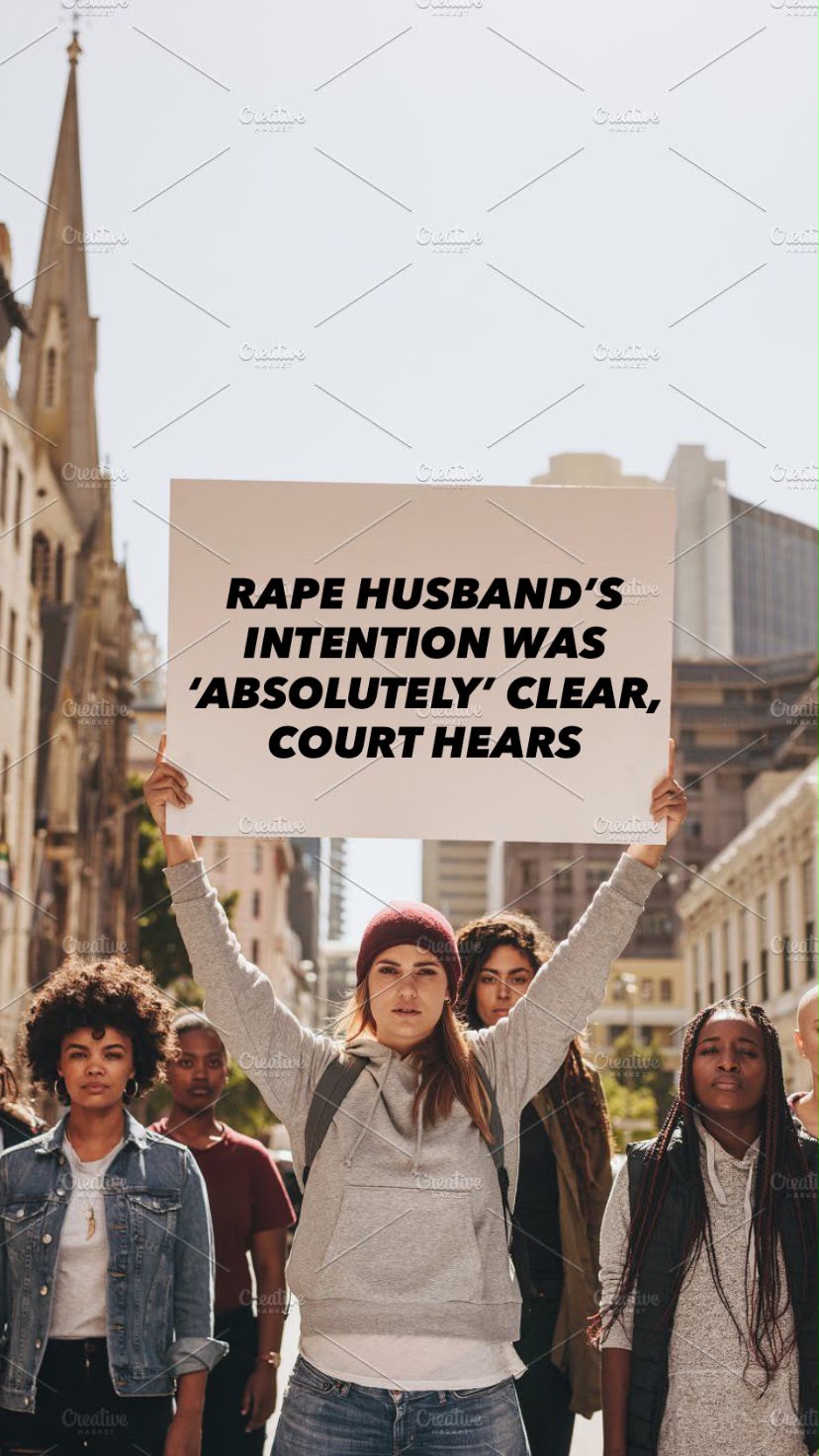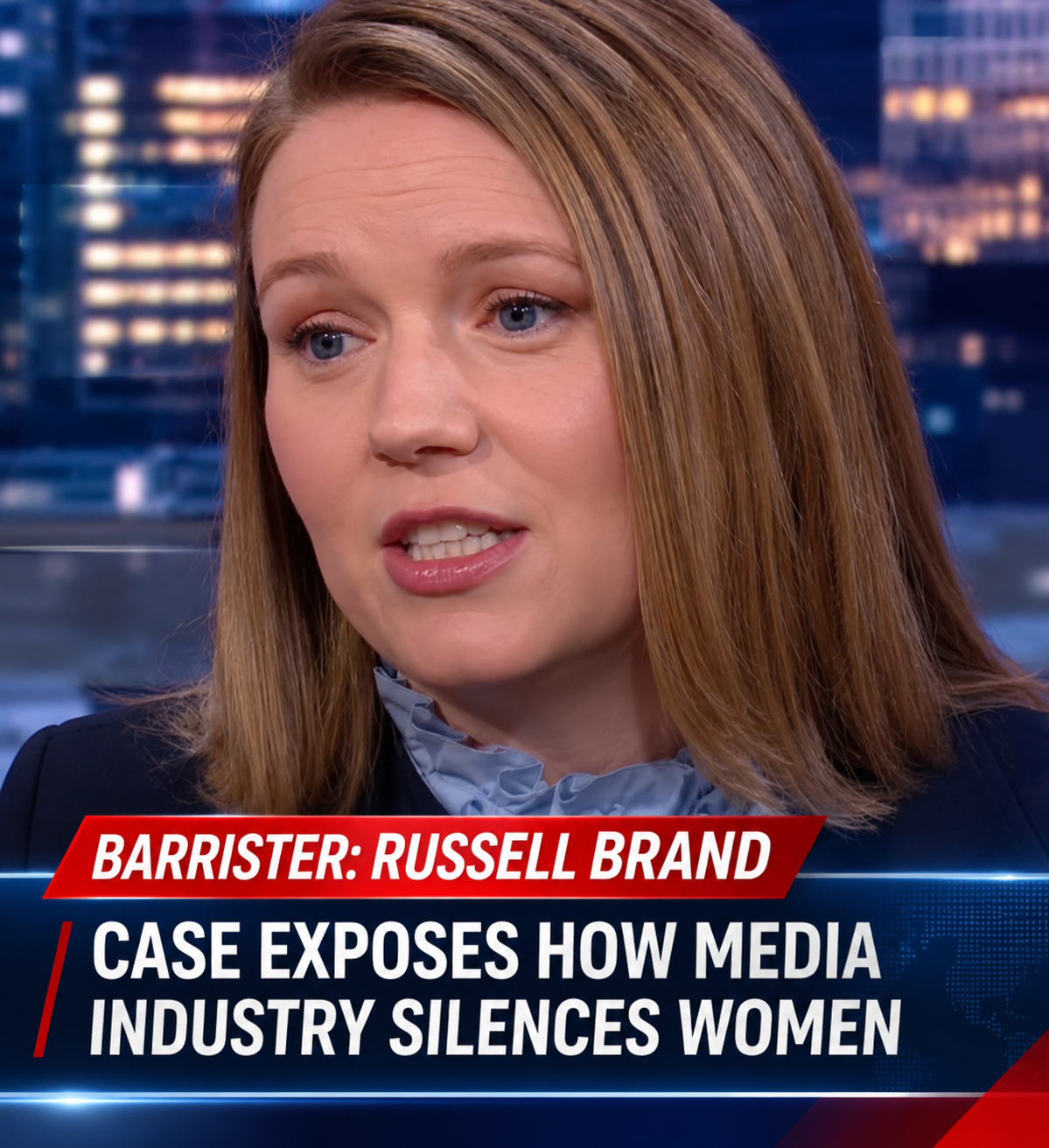
The case has reignited discussions about workplace culture, media responsibility, and the treatment of women who report alleged misconduct.
Public Attention and the Impact of the Trial
The controversy surrounding Russell Brand has brought renewed attention to the relationship between celebrity culture, public scrutiny, and accountability within the entertainment industry.
Despite the significant damage to his public reputation, Brand reportedly gained approximately 1.5 million additional social media followers during the trial. The development highlights how negative publicity can sometimes generate increased online engagement, including followers, clicks, and media attention.
However, the growing attention surrounding the case has also raised broader questions about the consequences of public controversy and the influence of celebrity status on public perception.
Questions About Accountability in the Entertainment Industry
Beyond the legal proceedings, concerns have emerged about the working environment surrounding Brand during his career in television and entertainment.
During discussions about the case, allegations were raised that certain behaviours had been widely known within parts of the industry. Reports also described concerns about producers and other professionals who allegedly felt uncomfortable with situations involving women being introduced to the celebrity.
These accounts have prompted questions about why concerns were not addressed earlier and whether individuals or organisations with responsibility for workplace safety did enough to protect those involved.
The Continuing Impact of the #MeToo Movement
The case has also revived discussions about the progress made since the #MeToo and Time’s Up movements brought sexual misconduct and workplace accountability into the global spotlight.
Nearly a decade after these movements gained widespread attention, questions remain about the power dynamics that can exist between influential public figures and people working within the entertainment industry.
Critics argue that celebrity status and professional influence can make it difficult for individuals to report inappropriate behaviour. Concerns about professional consequences, public criticism, and not being believed may discourage victims and witnesses from speaking out.
Why Media Organisations Face Greater Scrutiny
The discussions surrounding the case have placed renewed focus on the responsibilities of television networks, production companies, employers, and other media organisations.
Industry professionals are increasingly being questioned about how complaints are handled, what safeguards are available to employees, and whether internal reporting systems provide sufficient protection.
Experts and campaigners have repeatedly emphasised the importance of taking allegations seriously, conducting appropriate investigations, and ensuring that workplace policies apply equally to everyone, regardless of their professional status or public profile.
A Broader Conversation About Women Speaking Out
One of the most significant issues raised by the case concerns the experiences of women who report misconduct. In some workplace environments, individuals may face disbelief, pressure, or professional obstacles when attempting to raise concerns.
The wider debate highlights the importance of creating an environment in which reports can be handled fairly, confidentially, and without intimidation.
Ultimately, the situation has become part of a broader conversation about transparency, institutional responsibility, and the need for meaningful cultural change across the entertainment and media industries.