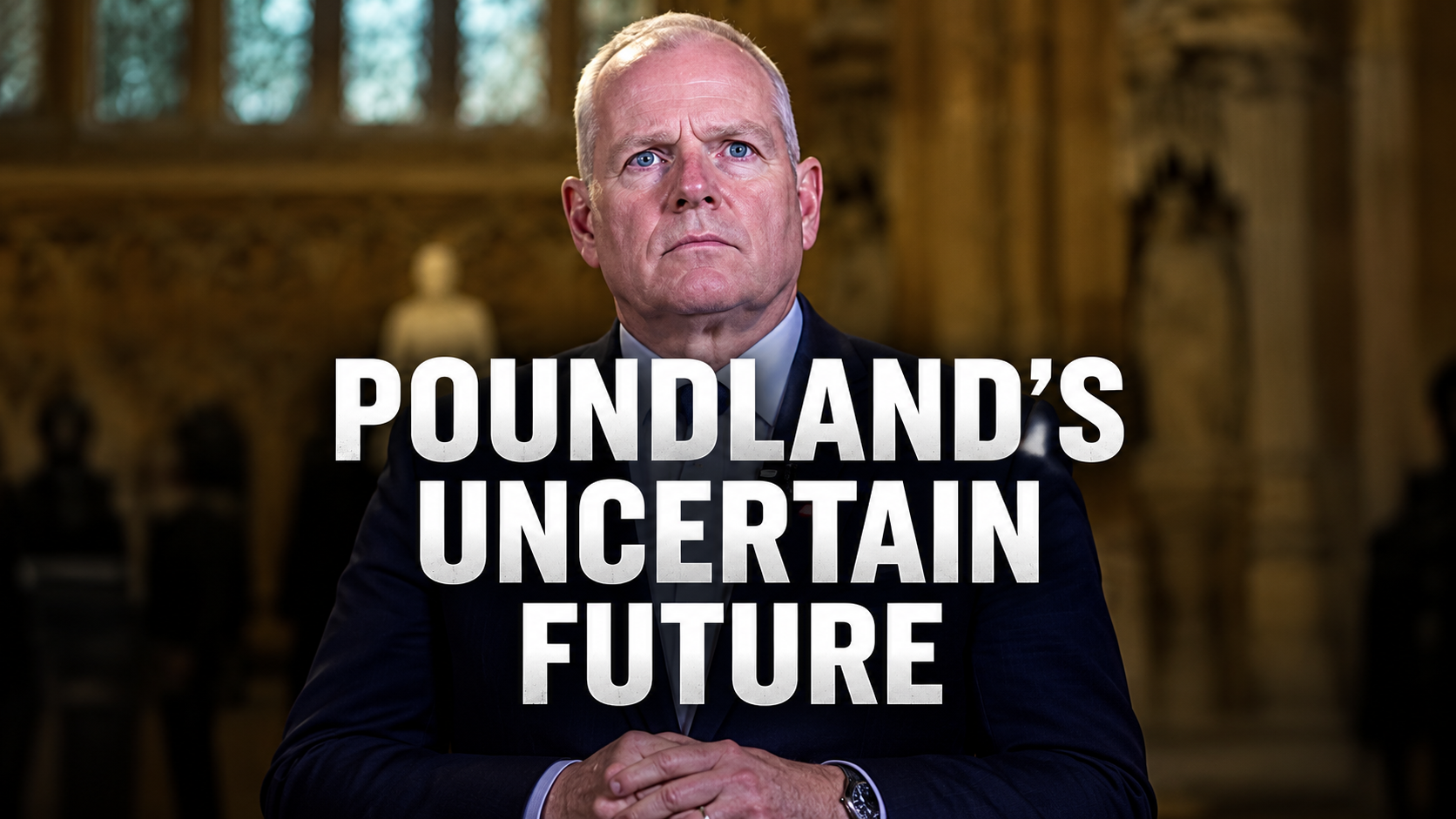
Poundland’s future remains uncertain as the discount retailer faces mounting financial difficulties, raising concerns about the fate of hundreds of stores and more than 10,000 employees across the United Kingdom.
The company’s American owners and senior UK management were summoned before Parliament to explain the retailer’s financial position and outline possible plans for its future. The hearing took place amid growing political pressure over the company’s potential collapse.
Poundland Faces Potential Administration
Poundland has been experiencing serious financial difficulties since American private equity firm Gordon Brothers announced plans to sell the business, approximately one year after acquiring the discount chain for just £1.
The retailer operates around 600 stores across the UK and employs more than 10,000 people. Its financial position became increasingly uncertain after the company warned two weeks ago that it could enter administration.
The situation reportedly worsened after Gordon Brothers restricted the company’s access to cash, creating additional pressure on its ability to continue normal operations.
However, Poundland’s UK management team, led by Barry Williams, believes the business could still be sold as a going concern, potentially allowing its stores to remain open and protecting thousands of jobs.
Management Considers Its Next Steps
Following the parliamentary hearing, Barry Williams said he was encouraged by the committee’s understanding of the situation and the opportunity to provide further information about the company’s financial circumstances.
Williams confirmed that he and his colleague Sean would hold a board meeting to discuss the next steps and make important decisions about the retailer’s future.
He also expressed gratitude to Poundland employees, praising their efforts in keeping the business operating during a difficult period.
Williams said the management team was continuing to fight on behalf of employees and believed the situation was important not only for Poundland but also for the wider UK retail industry.
Gordon Brothers Faces Questions Over Financial Decisions
Gordon Brothers, represented in the UK by Mark Newton-Jones, faced criticism over its handling of Poundland’s financial situation.
The American investment firm has been accused of blocking a potential sale while seeking repayment of a £30 million loan. Concerns have also been raised about whether the company could generate greater financial returns through liquidation rather than a sale of the business as a continuing operation.
Under significant political pressure, Gordon Brothers reportedly released £10 million to Poundland’s management during the week of the hearing, providing additional time for discussions about a possible acquisition.
However, the decision did little to ease concerns among lawmakers.
MPs Raise Concerns About Jobs and Retail Stability
The parliamentary hearing prompted strong criticism from the chairman of the Business and Trade Select Committee.
He expressed concern about Gordon Brothers’ conduct, comparing its approach to aggressive financial practices that could damage businesses operating on the British High Street.
During the hearing, MPs heard allegations that as much as £20 million had been taken out of Poundland while the business was already facing significant financial difficulties.
Further concerns were raised about the retailer’s reported lack of access to its own bank account during what should have been one of the busiest trading periods of the year.
The committee chairman also highlighted concerns about the investment firm’s position on protecting employees, particularly after representatives reportedly declined to guarantee that saving jobs would take priority over maximising financial returns.
These issues have increased calls for greater accountability regarding the decisions affecting Poundland’s future.
Customers Concerned About the Possible Closure of Stores
Poundland’s financial difficulties have attracted attention beyond Parliament because the retailer serves millions of customers across the UK.
Its low-cost products have made it a popular destination for households trying to manage rising living costs and everyday expenses.
Customers interviewed about the situation expressed disappointment at the possibility of losing a familiar discount shopping destination.
Some shoppers said they regularly visited Poundland because of its affordable prices and convenient range of everyday products. Others questioned why the retailer might close despite continuing to attract customers.
The potential closure of stores could therefore affect not only employees but also communities that rely on affordable shopping options.
What Happens Next for Poundland?
Poundland’s immediate future now depends on decisions made by its board and the availability of sufficient funding to keep the business financially solvent.
Under UK insolvency law, company directors must consider their legal responsibilities when a business is unable to meet its financial obligations. If the board cannot establish that the company can continue operating on a solvent basis, appointing administrators may become necessary.
A successful sale as a going concern could offer an alternative outcome, potentially preserving stores, employment and the retailer’s position in the UK discount market.
However, if an agreement cannot be reached and financial support remains insufficient, administration could put hundreds of stores and thousands of jobs at risk.
Conclusion
The uncertainty surrounding Poundland highlights the challenges facing established retailers in an increasingly difficult economic environment.
With more than 10,000 employees and hundreds of stores potentially affected, the decisions made by the company’s board and owners will have significant consequences for workers, customers and local communities.
For now, Poundland’s future remains unresolved as management considers its options and pressure continues to grow for a solution that protects the business and its workforce.