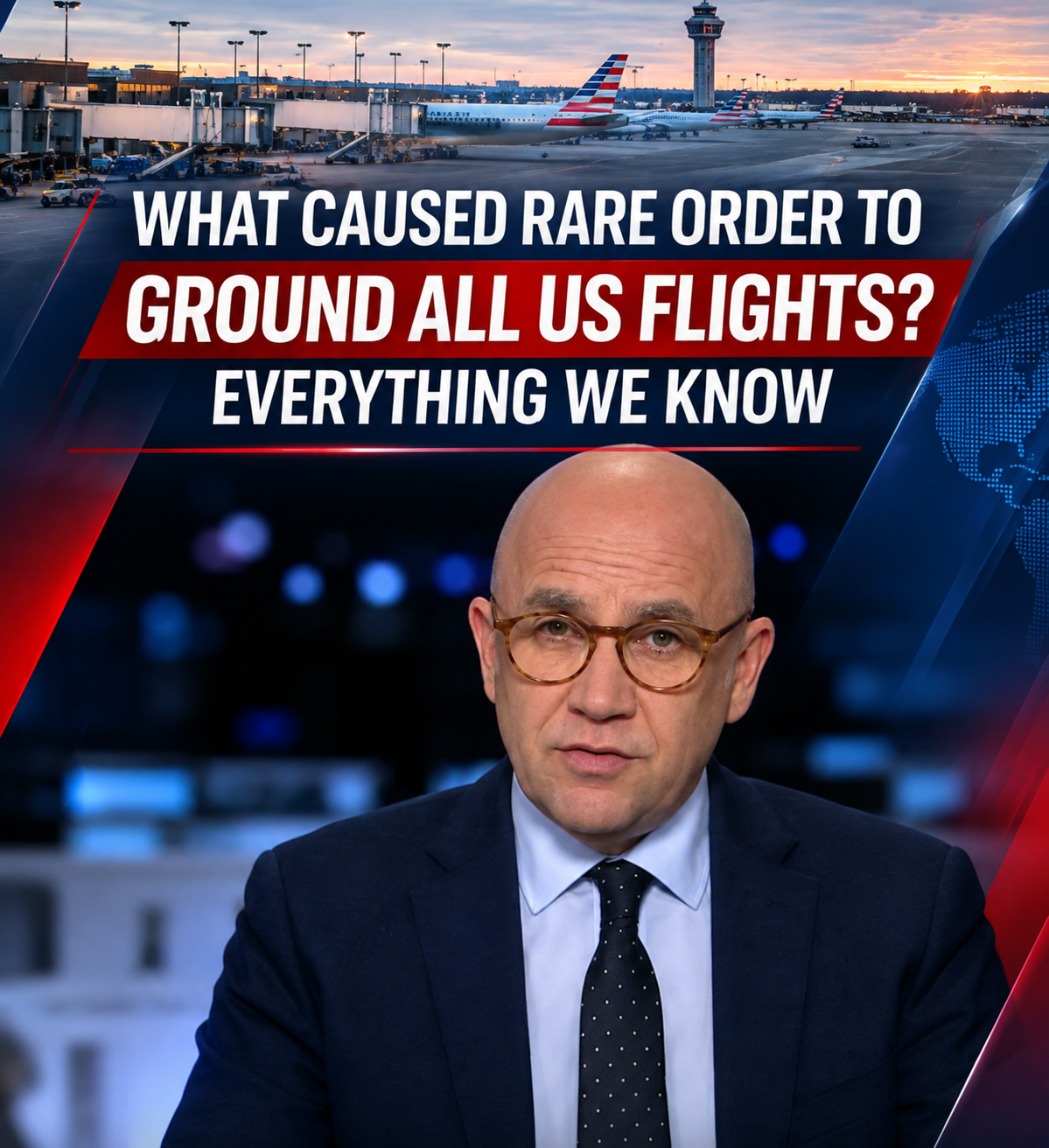
A telecommunications issue affecting air traffic control triggered widespread disruption across the United States, raising concerns about the reliability of aging aviation infrastructure.
Nationwide Ground Stop Raises Safety Concerns
A nationwide ground stop across the United States caused significant disruption to air travel after aviation authorities identified a communications issue affecting air traffic control operations.
The announcement initially alarmed passengers and the aviation industry, particularly after the Federal Aviation Command Centre described the situation as involving extraordinary circumstances and requiring immediate safety precautions.
The unexpected order prompted widespread speculation about the possible cause of the disruption. However, information released shortly afterward indicated that the incident was connected to a frequency-related problem affecting air traffic control communications.
Communication Failure Behind the Aviation Disruption
The Federal Aviation Administration later characterized the situation as a temporary telecommunications issue. The problem affected communication systems used in air traffic management, prompting authorities to take precautionary measures to protect aircraft and passengers.
During a White House briefing, officials stated that there was no indication of a cyberattack behind the incident.
Instead, attention focused on aging aviation technology and the possibility that existing infrastructure had become overloaded. Officials also highlighted the importance of securing additional congressional funding to modernize outdated systems and improve the reliability of the country’s air traffic control network.
Thousands of Flights Affected by the Ground Stop
The disruption had a substantial impact on air travel throughout the United States. Approximately 3,000 aircraft were reportedly in the air when the nationwide ground stop was issued.
Rather than allowing normal flight operations to continue, authorities required aircraft already airborne to land one by one under controlled conditions.
The process created considerable challenges for airlines, airport operators, passengers, and air traffic controllers. With millions of people relying on commercial aviation every day, even a temporary interruption can affect flight schedules across the country.
At an estimated 2.5 million air travelers per day, the United States aviation network is particularly vulnerable to widespread operational disruptions.
Nationwide Ground Stops Are Extremely Rare
Nationwide ground stops are among the most unusual events in American aviation. According to the information provided during the report, only three such incidents had occurred over the preceding 25 years.
The first followed the terrorist attacks of September 11, 2001, when authorities suspended flights nationwide as part of emergency security measures.
Another major incident occurred in 2003, when a system responsible for alerting pilots to potential dangers around their aircraft temporarily stopped functioning.
The latest disruption was attributed to a communications-related problem, highlighting how essential reliable telecommunications infrastructure is to modern aviation safety.
Aviation Infrastructure Faces Growing Modernization Pressure
The incident has renewed attention on the technological challenges facing the American aviation industry.
Air traffic control systems require reliable communication networks to coordinate aircraft movements, provide instructions to pilots, and maintain safe distances between planes.
When these systems experience technical problems, aviation authorities may need to introduce immediate restrictions to reduce operational risks.
The call for congressional funding reflects broader concerns about the need to replace aging infrastructure and strengthen the resilience of essential aviation technology.
Modernizing these systems could help reduce the risk of similar disruptions and support the increasing demands placed on the country’s aviation network.
What the Incident Means for US Air Travel
The nationwide ground stop demonstrated how dependent the United States is on reliable air traffic control and telecommunications infrastructure.
Although officials reported no indication of a cyberattack, the disruption exposed the potential consequences of technical failures within critical aviation systems.
For millions of passengers, airlines, and airport operators, the incident served as a reminder that aviation safety depends not only on aircraft and pilots but also on the technology supporting every stage of flight operations.
As pressure grows to modernize outdated systems, investment in reliable communication infrastructure is likely to remain an important issue for the future of American air travel.