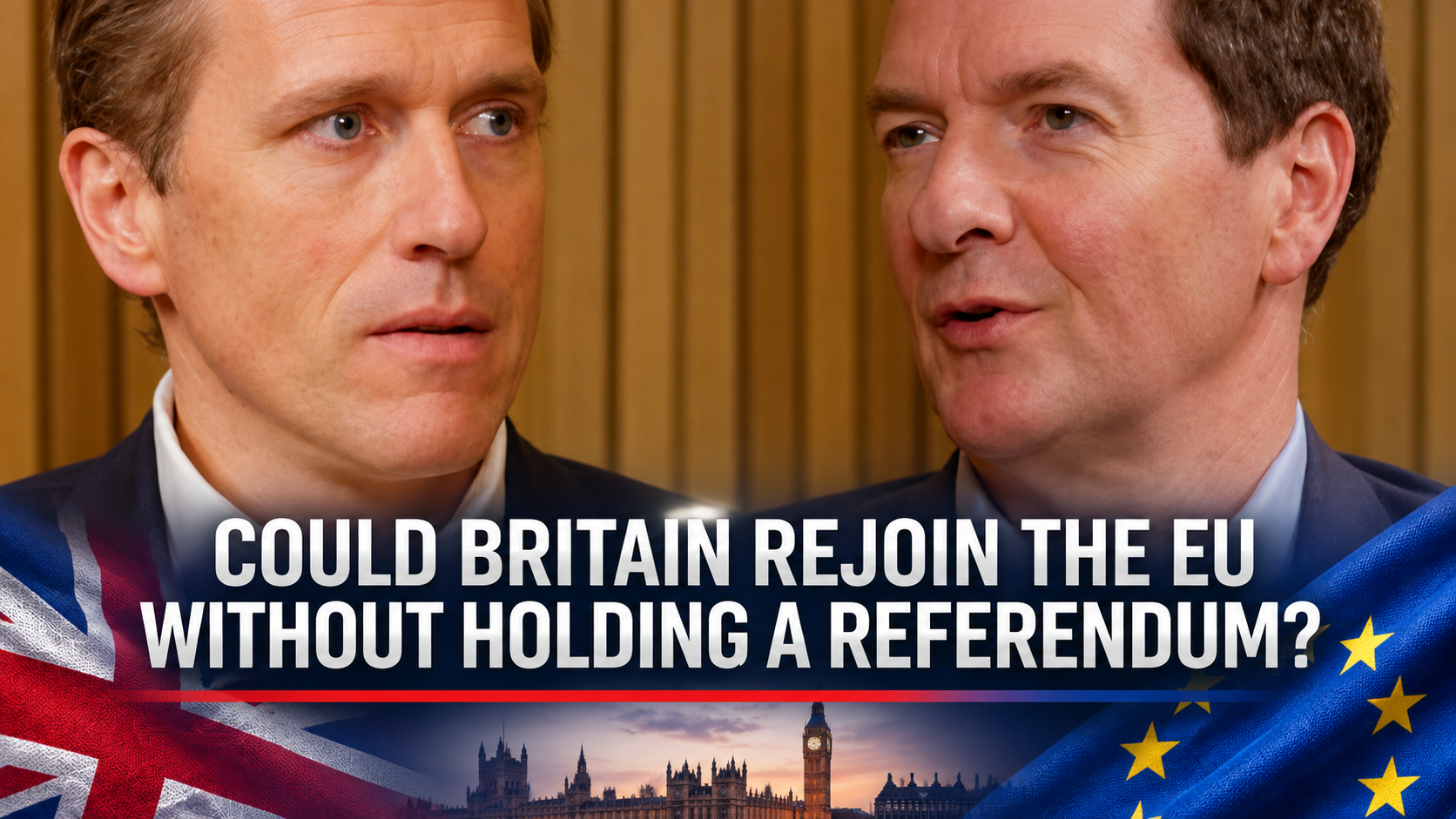
The debate over Brexit and Britain’s future relationship with the European Union remains a significant political issue in the United Kingdom. Questions about whether the country could eventually rejoin the EU, and whether such a decision would require another public referendum, continue to attract attention across the political spectrum.
In a recent political discussion, a Conservative Party member expressed strong criticism of the UK’s decision to leave the European Union, describing Brexit as a mistake both at the time of the referendum and in the present day.
Rejoining the European Union Could Require Another Referendum
During the discussion, the speaker was asked whether the United Kingdom would need to hold another referendum before attempting to rejoin the European Union.
Although the speaker suggested that the possibility of rejoining remained a long way off, they acknowledged that avoiding a public vote would be difficult.
According to the Conservative member, a referendum could be necessary to establish a stronger and more lasting political foundation for such a significant decision.
The argument reflects the complexity of reversing Brexit. Rejoining the European Union would represent a major change in the UK’s political and economic direction, making public support an important consideration.
Brexit Could Become a Major Issue in the Next General Election
The conversation also explored whether Labour could gain political support by including a commitment to closer European relations or a referendum in its next general election manifesto.
When asked whether such a position would influence their voting decision, the speaker explained that they were a member of the Conservative Party and therefore naturally inclined to support the Conservatives.
However, the discussion highlighted a broader question about whether Britain’s relationship with Europe could become a decisive issue for voters in a future general election.
The speaker suggested that political parties should not underestimate the importance of the Brexit debate, particularly when considering the long-term interests of the United Kingdom.
Criticism of the Conservative Party’s Hard Brexit Direction
One of the strongest criticisms raised during the discussion concerned the Conservative Party’s political direction following the 2016 Brexit referendum.
The speaker argued that the Conservative Party had not originally been a unified pro-Brexit political movement. In fact, a majority of Conservative MPs supported remaining in the European Union during the referendum campaign.
They also pointed out that a considerable number of Conservative voters had supported Remain.
However, following the referendum, the party increasingly adopted a harder Brexit position. The speaker attributed this political shift partly to the personal ambitions of Boris Johnson and the influence of strongly pro-Brexit figures within the party.
In their assessment, this transformation represented both a major policy mistake and a significant political miscalculation.
Hard Brexit and the Loss of Middle-Class Voters
The speaker argued that the Conservative Party’s increasingly hard-line Brexit position damaged its relationship with an important section of the British electorate.
In particular, they suggested that the party lost support among professional and middle-class voters who had previously been an important part of its electoral base.
This criticism raises questions about the long-term political consequences of Brexit, particularly for a party seeking to maintain broad electoral support across different social and economic groups.
While Brexit remains a divisive issue, the speaker’s comments suggest that the Conservative Party may need to reconsider how it approaches Britain’s relationship with Europe if it hopes to reconnect with voters who became disillusioned with its political direction.
What Does the Brexit Debate Mean for Britain’s Political Future?
The possibility of the United Kingdom rejoining the European Union remains a complicated political question. Any future move would involve significant discussions about public opinion, political leadership, economic interests, and the country’s relationship with European institutions.
The discussion also demonstrates that Brexit continues to influence political divisions within the Conservative Party and the wider British political landscape.
For now, the question of whether Britain should reconsider its European future remains open. However, criticism from within the Conservative political sphere indicates that the long-term consequences of Brexit are still being debated, even years after the referendum.
Conclusion
The Conservative member’s comments highlight the continuing political disagreements surrounding Brexit and the UK’s relationship with the European Union.
From the possibility of another referendum to concerns about the Conservative Party’s loss of middle-class support, the discussion illustrates how Brexit continues to shape Britain’s political debate.
Whether the UK will ever seek to rejoin the European Union remains uncertain, but the issue is likely to remain part of conversations about the country’s political and economic future.