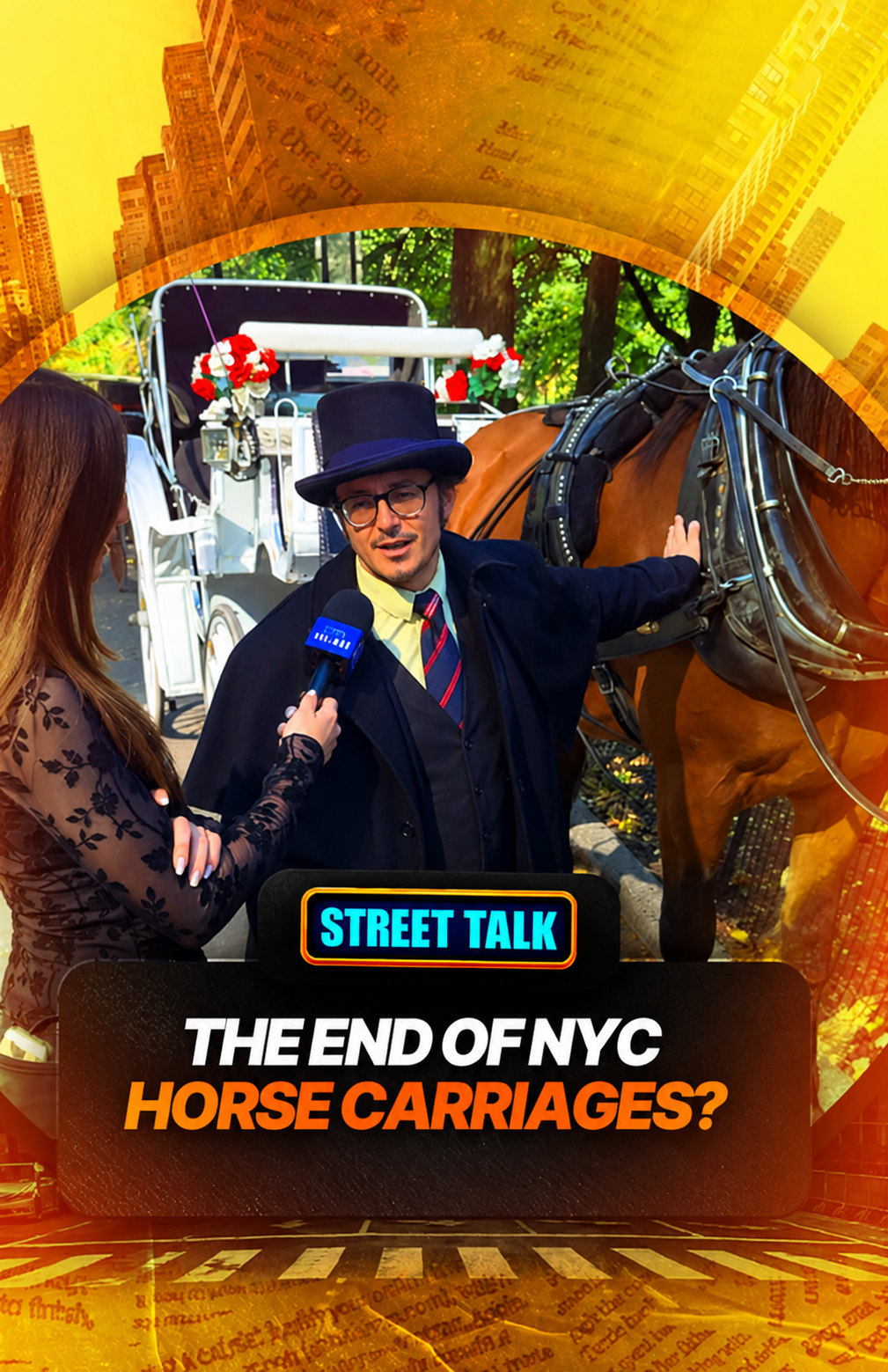
Proposed legislation has renewed debate over animal welfare, public safety, tourism, and the future of carriage drivers who depend on the industry for their livelihoods.
A Longstanding New York Tradition Faces an Uncertain Future
New York City’s horse-drawn carriage industry, a familiar part of the city’s tourism landscape for approximately 150 years, is facing the possibility of a major change. City lawmakers are expected to consider a proposal that would end commercial horse-carriage operations across the city, potentially bringing the historic industry to an end by June 2028.
The proposal has drawn attention from animal welfare advocates, carriage drivers, tourism supporters, and residents who disagree about whether horse-drawn carriages should continue operating on the city’s busy streets.
Supporters of a ban argue that urban traffic, noise, and crowded streets can create challenging conditions for working horses. Opponents, meanwhile, say the industry provides an important source of income and represents a longstanding part of New York City’s identity.
Safety Concerns Renew the Debate
Recent incidents have added urgency to the discussion surrounding the future of horse-drawn carriages.
According to the account provided in the original report, a carriage horse collapsed and died in Central Park after ingesting a poisonous plant. The incident renewed concerns about the risks horses may face while working in an urban environment.
Days later, a separate runaway-horse incident reportedly resulted in the death of an 18-year-old tourist. Although the two incidents were separate events, they intensified public discussion about animal welfare and safety around horse-drawn carriages.
Animal welfare advocates maintain that horses should not be required to work amid heavy traffic, unfamiliar noises, and unpredictable conditions. They argue that ending the industry would reduce the risks associated with keeping working horses in a densely populated city.
Carriage Drivers Fear Losing Their Livelihoods
For carriage drivers, however, the proposed ban represents more than the end of a tourist attraction. It could also mean losing a profession that has provided a source of income for years.
One driver featured in the original report said she had worked in New York City’s carriage industry for 12 years. Asked how she entered the profession, she explained that she found the opportunity through Craigslist.
Her experience illustrates how people from different backgrounds have found work in an industry that remains closely associated with the city’s parks and tourist destinations.
Drivers opposing the proposed ban argue that eliminating carriage operations could disrupt their livelihoods and erase a longstanding tradition. They also question whether a decision to prohibit the industry would adequately account for the people whose employment depends on it.
The debate therefore involves competing concerns: how to protect animals and the public while considering the economic consequences for workers.
City Council Vote Could Determine the Industry’s Future
The proposed legislation is expected to face a vote in New York City’s Council. The original report describes passage as likely and says Mayor Zohran Mamdani supports the proposal.
However, the precise status of the legislation, its final provisions, and the timeline for implementation should be confirmed through official city announcements before publication.
If approved and implemented as described, the measure would phase out horse-drawn carriage operations across New York City by June 2028. Such a change would mark a significant shift in the city’s approach to a tradition that has existed for generations.
The outcome could also influence future discussions about how major cities balance historical attractions, animal welfare standards, public safety, and employment.
A Debate With No Easy Answers
The future of New York City’s horse-drawn carriage industry reflects a broader debate about the role of traditional practices in modern urban life.
For animal welfare advocates, the priority is protecting horses from potentially dangerous working conditions. For carriage drivers, the issue concerns employment, personal identity, and the loss of a profession built over many years.
As the city considers the proposed legislation, the final decision will determine whether horse-drawn carriages remain part of New York City’s streets or gradually become a part of its history.