Discussions about the United Kingdom’s future relationship with the European Union have resurfaced following comments by Andy Burnham on free movement and potential areas of cooperation.
Burnham’s Position on Free Movement Draws Attention
Andy Burnham has prompted renewed discussion about the United Kingdom’s relationship with the European Union after reportedly expressing openness to reconsidering free movement arrangements.
The issue is politically significant because free movement was one of the central subjects of debate during the Brexit process. Any proposal to revisit the policy could generate both support and opposition, potentially reopening divisions over immigration, employment, and the country’s future relationship with Europe.
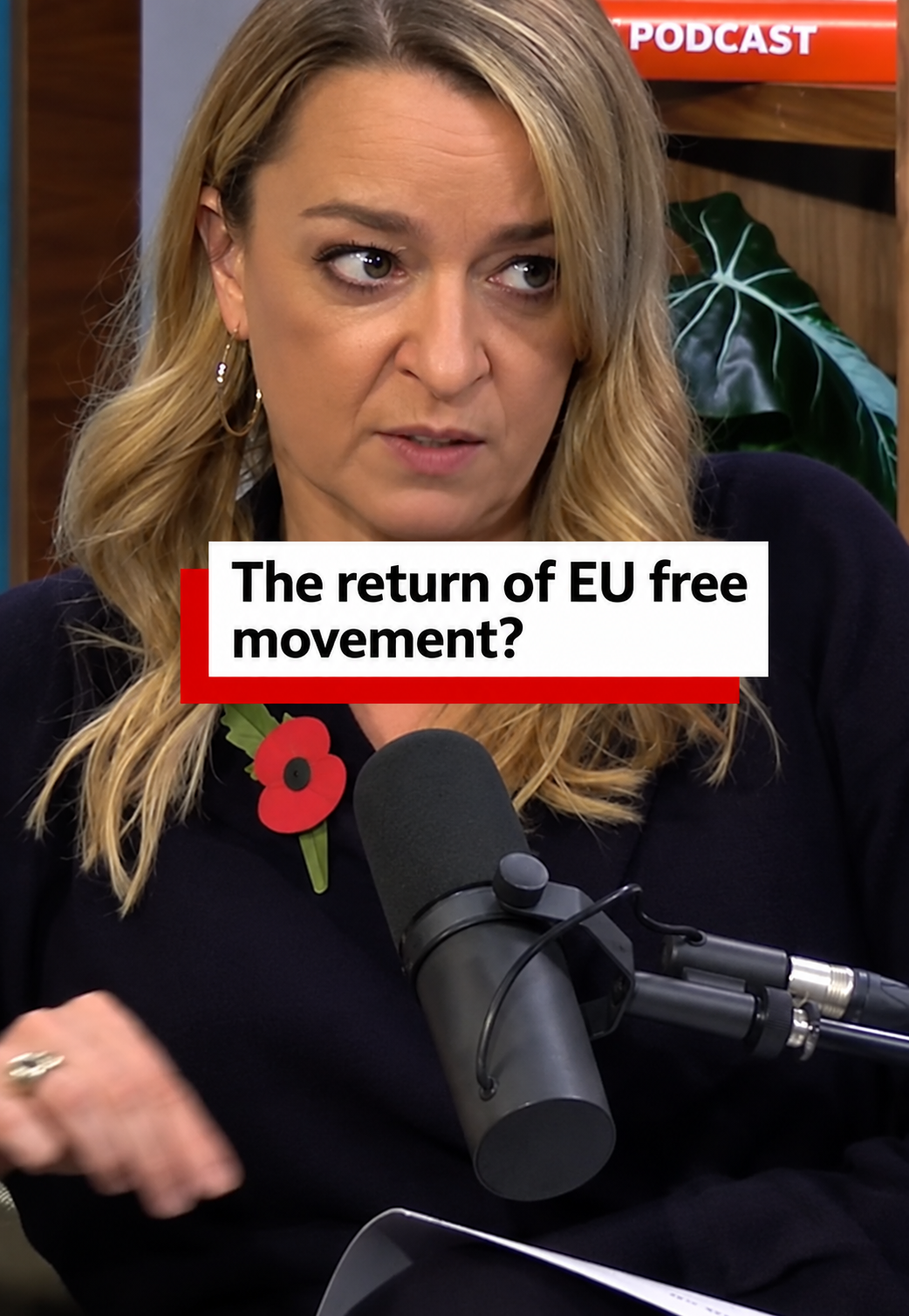
In an interview discussing Burnham’s position, a journalist explained that they had sought to establish whether there were clear limits to his approach, particularly regarding the possibility of returning to free movement.
When asked whether remaining outside the free movement system was a firm red line, Burnham reportedly did not give a straightforward affirmative answer. Instead, he discussed arguments that appeared to reflect a broader consideration of the issue.
Potential Limits on Closer European Integration
Although Burnham appeared willing to discuss the possibility of renewed free movement, he identified other areas of European integration that he would not support, according to the interview account.
These included adopting the euro as the United Kingdom’s currency and rejoining the Schengen Area. The Schengen system allows participating countries to travel across many internal borders without routine passport checks, although specific exceptions and border controls can apply.
His reported position suggests that different aspects of the UK’s relationship with Europe could be considered separately rather than treated as a single political question.
However, the distinction between free movement, currency arrangements, and participation in Schengen remains important. Each involves different legal and political considerations, and any change would require further discussion about its practical implications.
The Argument for Free Movement
During the discussion, Burnham reportedly referred to the idea of a “revolving door” between the United Kingdom and European countries. This concept highlights how people may move abroad for work or business opportunities before returning home with additional experience and skills.
The interview account also referenced Burnham’s father, Roy, who reportedly benefited from European arrangements during the 1990s. According to the account, he travelled to Germany to help establish a mobile phone network before returning to the United Kingdom.
The example was presented as an illustration of how cross-border mobility can support professional opportunities and business development. Supporters of greater mobility argue that access to international labour markets can benefit workers and companies, although the overall effects depend on economic conditions and the policies in place.
A Politically Sensitive Debate
Any proposal to revisit free movement would likely prompt questions about immigration policy, wages, public services, labour shortages, and the balance between national control and international cooperation.
Supporters may see greater mobility as a way to expand employment opportunities, improve access to skills, and strengthen economic ties with European partners. Critics may raise concerns about migration levels, pressure on local infrastructure, and the ability of the government to manage its borders.
The political response would depend on the details of any proposed arrangement, including eligibility rules, enforcement mechanisms, and the safeguards negotiated between the parties involved.
What Could Happen Next?
Burnham’s reported comments raise questions about whether the United Kingdom could pursue closer cooperation with the European Union in selected areas without reversing every aspect of its post-Brexit settlement.
For now, the interview account does not establish a complete policy proposal or confirm that any formal negotiations are under way. Further clarification would be needed to determine what changes Burnham might support and how such changes could be implemented.
The debate over free movement is likely to remain closely connected to wider discussions about economic growth, immigration, sovereignty, and the UK’s long-term relationship with Europe.
“`