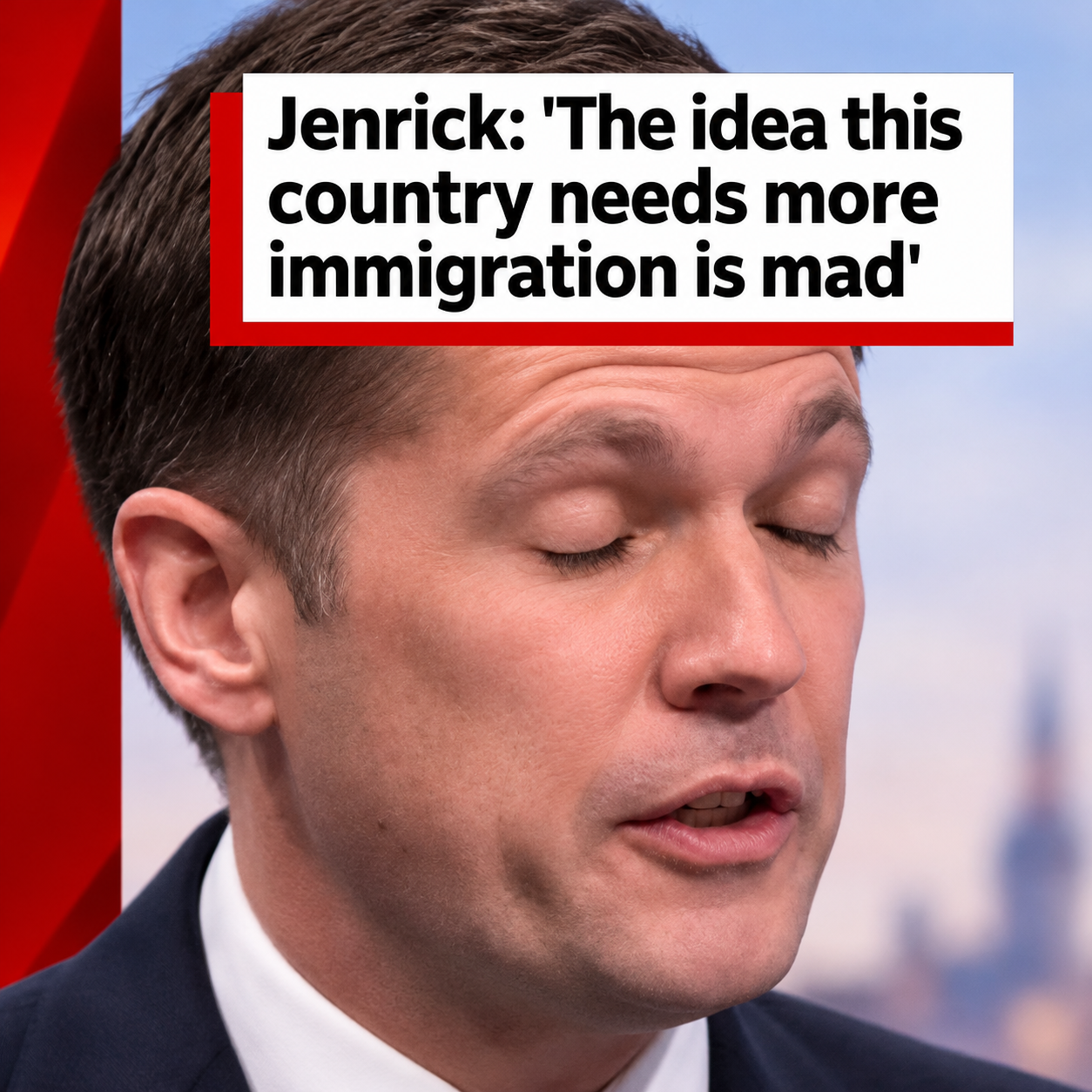
A heated political discussion examines immigration, workers’ wages, public services, and the economic consequences of leaving the European Union.
Immigration Policy Sparks Political Controversy
Immigration policy has once again become a major point of political disagreement in the United Kingdom, with competing arguments over border control, economic growth, public services, and the future relationship with the European Union.
During a televised discussion with presenter Laura, a critic of increased immigration strongly opposed a proposal attributed to Andy Burnham that would potentially reopen debate around freedom of movement in Europe.
The speaker described the proposal as unrealistic, arguing that the country was already dealing with significant pressures and that expanding freedom of movement could create additional challenges for British communities.
Concerns Over Wages and Public Services
One of the central arguments raised during the discussion was that increased immigration could place additional pressure on wages, housing, and public services.
The speaker argued that greater competition in the labour market could affect British workers’ earnings and expressed concern about the potential consequences for the National Health Service (NHS), doctors, dentists, and housing availability.
The comments also highlighted concerns about community cohesion and national unity, presenting immigration as an issue that extends beyond economics into wider questions about social policy.
However, the potential effects of immigration depend on several factors, including labour market conditions, public investment, housing supply, and the skills and employment of migrants. The claims made during the exchange should therefore be considered political arguments rather than established conclusions about every community or sector.
Andy Burnham’s Position on Freedom of Movement Questioned
The discussion also focused on the consistency of Andy Burnham’s position. The critic accused him of taking a different approach from comments reportedly made earlier in the summer during political campaigning in Makerfield.
According to the speaker, Burnham had previously indicated that he did not want to reopen the debate. The critic questioned why the issue was now being raised again and argued that the apparent change in position required an explanation.
The exchange reflected a broader political question: whether politicians should reconsider previous positions when new economic evidence or changing circumstances emerge.
Brexit’s Economic Impact Remains Under Debate
Laura challenged the criticism by asking whether politicians should be entitled to change their minds when economic evidence suggests that previous policies have not delivered their intended results.
She pointed to arguments that Brexit had not produced the economic benefits originally promised and questioned whether reconsidering freedom of movement could be justified in light of those concerns.
The response rejected that interpretation, arguing instead that large-scale immigration had negatively affected living standards and working people. The speaker also criticised successive Conservative and Labour governments for emphasising overall economic growth while, in their view, failing to reflect the financial circumstances experienced by ordinary households.
A key distinction in the debate is the difference between gross domestic product (GDP) and GDP per capita. Total GDP measures the overall size of an economy, while GDP per capita measures economic output relative to the population. Neither measure alone provides a complete picture of household living standards, which are also influenced by wages, prices, productivity, public services, and the distribution of income.
Freedom of Movement and Britain’s Future
The debate concluded with opposing views on the consequences of leaving the European Union. One side argued that greater immigration could undermine wages and intensify pressure on public services, while the other maintained that Brexit had caused economic harm and questioned whether reconsidering closer European ties might be appropriate.
Freedom of movement was a central feature of the United Kingdom’s former relationship with the European Union. Any proposal to restore or expand such arrangements would raise questions about immigration rules, political accountability, labour markets, and the UK’s future economic relationship with Europe.
The exchange illustrates how immigration and Brexit continue to shape British political debate, particularly when questions about economic growth intersect with concerns about living costs, employment, housing, and access to public services.
Conclusion
The disagreement highlights the difficulty of finding consensus on immigration policy and Britain’s post-Brexit future. While critics of increased immigration emphasise potential pressures on workers and public services, supporters of reconsidering freedom of movement point to concerns about the economic effects of Brexit.
Ultimately, assessing these competing claims requires reliable economic data, clear policy proposals, and careful consideration of how changes would affect workers, businesses, public services, and communities across the United Kingdom.
“`