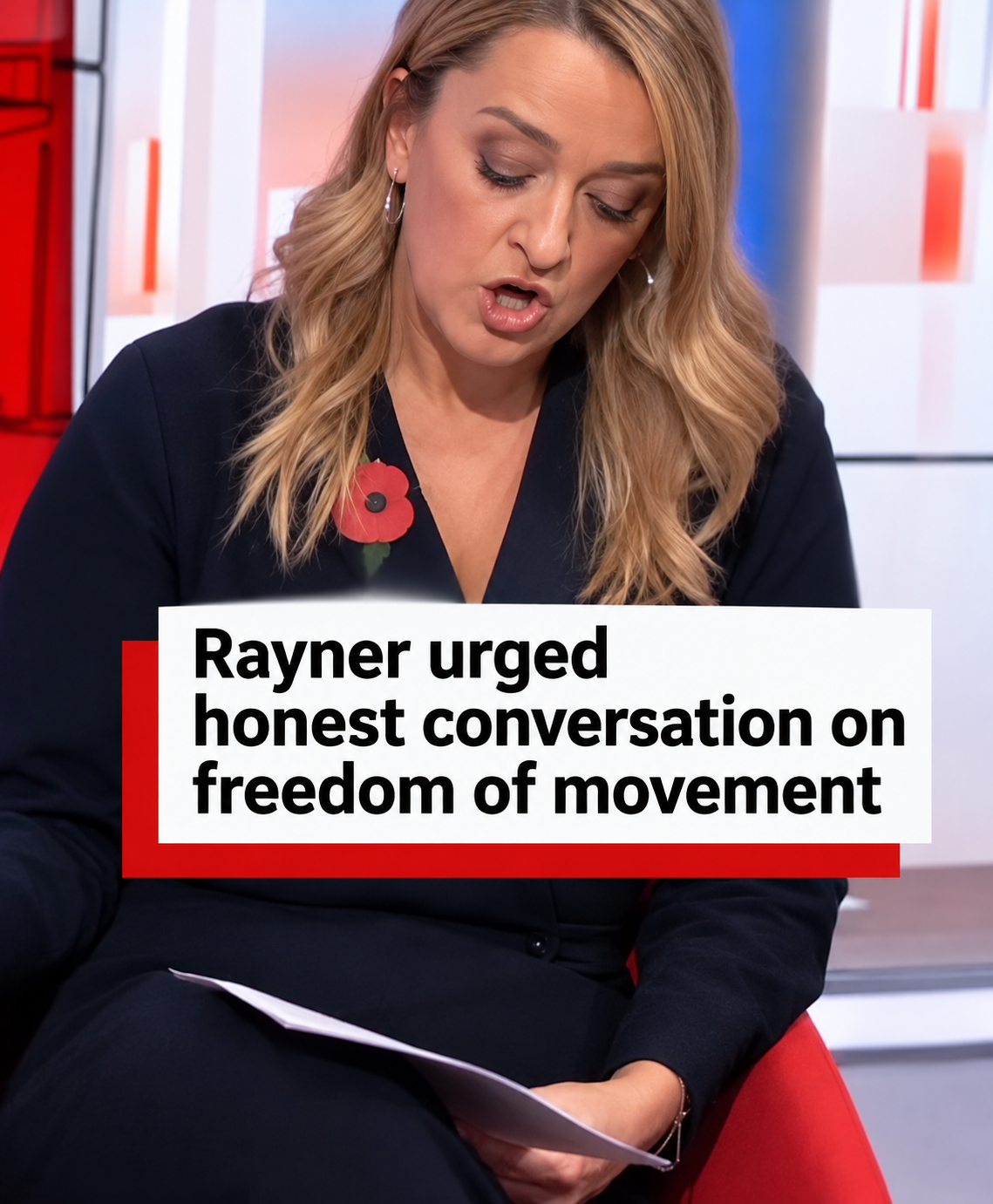
The debate over Britain’s relationship with the European Union has resurfaced, with renewed questions about freedom of movement, trade barriers and the economic consequences of Brexit.
Freedom of Movement Back in the Spotlight
The question of whether the United Kingdom should return to freedom of movement with the European Union has become part of a wider discussion about the country’s future relationship with its European neighbours.
Under freedom of movement arrangements, eligible British citizens could live and work in EU member states, while eligible EU citizens could move to the UK to live and work, subject to the applicable rules. Reintroducing such arrangements would represent a significant change from the immigration framework established after Brexit.
The issue raises important questions about immigration, employment, economic opportunities and the UK’s ability to negotiate a closer trading relationship with the European Union.
Brexit Promises and Public Expectations
Reflecting on the Brexit referendum campaign, one speaker recalled the promises made to the British public, including additional funding for the National Health Service (NHS) and the prospect of a stronger economy.
“People haven’t seen that realised.”
The remarks highlight continuing concerns about whether the benefits promised during the campaign have been delivered in practice. They also underline the importance of examining the economic and social consequences of the UK’s departure from the EU.
Trade Barriers and Export Concerns
Trade was another central issue raised in the discussion. The speaker argued that the UK has yet to secure the best possible deal for the country, pointing to reduced exports and additional administrative requirements affecting businesses that trade with European partners.
According to the speaker, UK exports have fallen by 20 per cent. However, the period, export category and data source behind that figure were not specified in the remarks, so the claim requires independent verification before being presented as an established economic statistic.
Businesses trading internationally can face additional paperwork, regulatory requirements and border procedures when trading arrangements change. Such barriers can increase costs and create delays, particularly for companies that depend on efficient access to European markets.
Calls for an Honest Debate About the Trade-Offs
Rather than focusing solely on whether freedom of movement should be restored, the speaker called for an open discussion about the potential advantages and disadvantages of closer ties with the EU.
The argument is that voters should have a clear understanding of the choices involved, including the possible economic benefits of closer cooperation and the policy compromises that might accompany a new agreement.
The speaker also expressed frustration that important facts and potential consequences had not received sufficient attention during the earlier referendum debate. A more transparent discussion, they argued, would help the public assess the available options.
Could a General Election Shape Britain’s Future Relationship with the EU?
The speaker suggested that the potential trade-offs should be discussed openly before the issue is put to voters at a general election.
Such a debate could bring questions about trade, immigration, economic growth and public services back into the political spotlight. It could also require political parties to explain what changes they would seek in the UK’s relationship with the European Union and what those changes might mean for the public.
Any future arrangement would depend on the policies proposed by the UK government, negotiations with the EU and the legal terms of any agreement. A return to freedom of movement would therefore require more than a domestic political decision alone.
What Happens Next?
The renewed discussion illustrates that Brexit remains an important issue in British politics. Questions about trade performance, immigration and the promises made during the referendum continue to influence conversations about the country’s economic direction.
For voters, the central question is how Britain can secure the best possible future relationship with its largest nearby trading bloc while balancing economic priorities, national policy choices and public expectations.
Whether the UK should revisit freedom of movement remains a political question. What is clear from the discussion is the call for a more evidence-based debate that allows the public to understand the potential benefits, costs and compromises before deciding on the country’s future direction.
“`