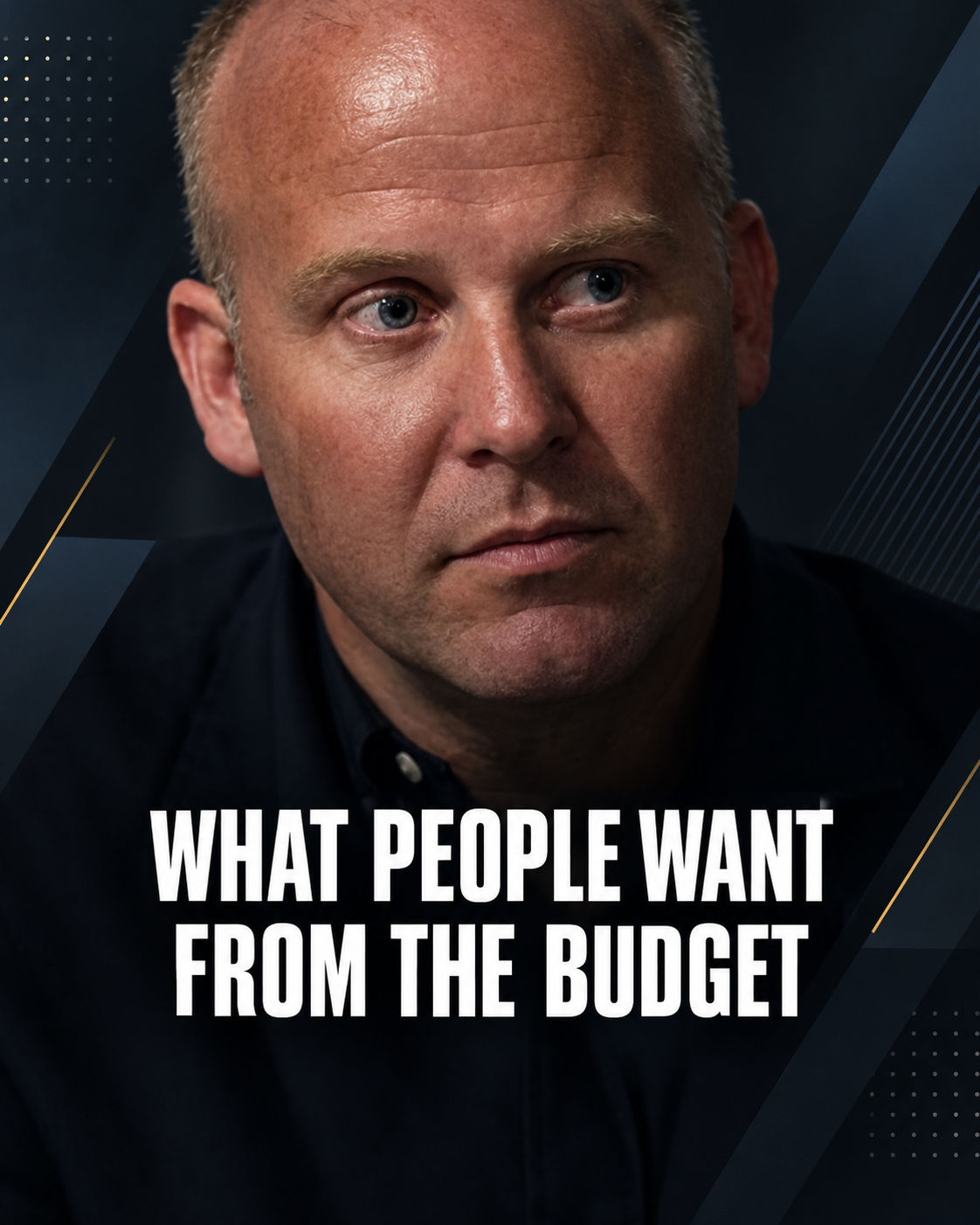
Households and small business owners share their concerns about VAT, rising expenses, employment costs, and the economic outlook ahead of the Chancellor’s budget.
Cost of Living Remains a Major Concern
As the UK prepares for the Chancellor’s budget announcement, households and business owners are highlighting the financial pressures they continue to face. Rising food prices, energy bills, fuel costs, and business expenses remain important concerns, with many hoping the government will introduce measures to ease the burden.
For some people, the cost of living is no longer viewed as a temporary crisis but as an ongoing reality. Everyday spending has become increasingly difficult to manage, particularly for families trying to cover their weekly grocery shopping.
One person interviewed explained that a £100 weekly shopping budget no longer provides enough food to cover meals for the entire week. The experience reflects concerns about how far household incomes can stretch as essential expenses continue to rise.
VAT Reduction Could Offer Relief
Value Added Tax (VAT) is one of the issues people want the Chancellor to address. Some believe that a reduction in VAT could provide meaningful savings, even if the rate were lowered only to 15% or 12.5% in the circumstances they described.
One interviewee acknowledged that the government needs to raise revenue to address the country’s financial challenges. However, they argued that reducing the tax burden could help households and businesses manage their budgets more effectively.
Whether a VAT reduction will form part of the budget remains uncertain based on the views expressed in the interviews. For those struggling with everyday expenses, any potential tax relief would be closely watched.
Small Businesses Face Difficult Growth Decisions
Small business owners are also concerned about the economic environment and its impact on future growth. Rather than expanding their operations, some say current conditions are encouraging them to consider reducing the size of their businesses.
One business owner explained that operating with fewer employees and concentrating on a single location could be more financially beneficial than maintaining a larger operation. With an established reputation and customer base, the business could potentially generate enough income for its owners without the additional costs associated with expansion.
Such decisions highlight the difficult balance between creating jobs, maintaining services, and keeping a business financially sustainable. Higher operating costs can make expansion less attractive, particularly for smaller companies with limited financial flexibility.
National Insurance and Employment Costs Under Scrutiny
Employment-related expenses are another major concern raised ahead of the budget. One interviewee noted that although workers had received a pay rise, increases in food prices, vehicle fuel, gas, and electricity had reduced the practical benefit of that additional income.
For employers, National Insurance contributions are also an important consideration. A business owner suggested that even a relatively small amount of relief could make a noticeable difference to their financial position, potentially saving between £1,000 and £2,000 on their bill.
The interviews also revealed scepticism about whether the upcoming budget would deliver meaningful changes. Some participants expressed little confidence that the government would introduce measures capable of significantly improving their circumstances.
Public Expectations Ahead of the Budget
People interviewed expressed different views about what the Chancellor should prioritise, but many focused on practical measures that could ease pressure on households and businesses facing financial difficulties.
One participant said they hoped the government would concentrate on people experiencing the greatest economic hardship. Others were less optimistic, suggesting that they did not expect substantial relief from the budget.
For small businesses, the possibility of a VAT reduction was a particularly important issue. One interviewee said they would be surprised if such a cut were announced, reflecting the uncertainty surrounding potential tax changes.
What Could the Budget Mean for Households and Businesses?
The views shared in these interviews illustrate the challenges that rising living costs and business expenses can create for people across the UK. Households are looking for ways to make their money go further, while business owners are weighing the costs of maintaining staff and expanding their operations.
Potential changes to VAT, National Insurance, and other economic measures may therefore attract significant public attention. However, the actual impact will depend on the policies announced by the Chancellor and how those measures affect different households and businesses.
Until the budget details are confirmed, many people remain uncertain about whether the government will provide the financial relief they are seeking.