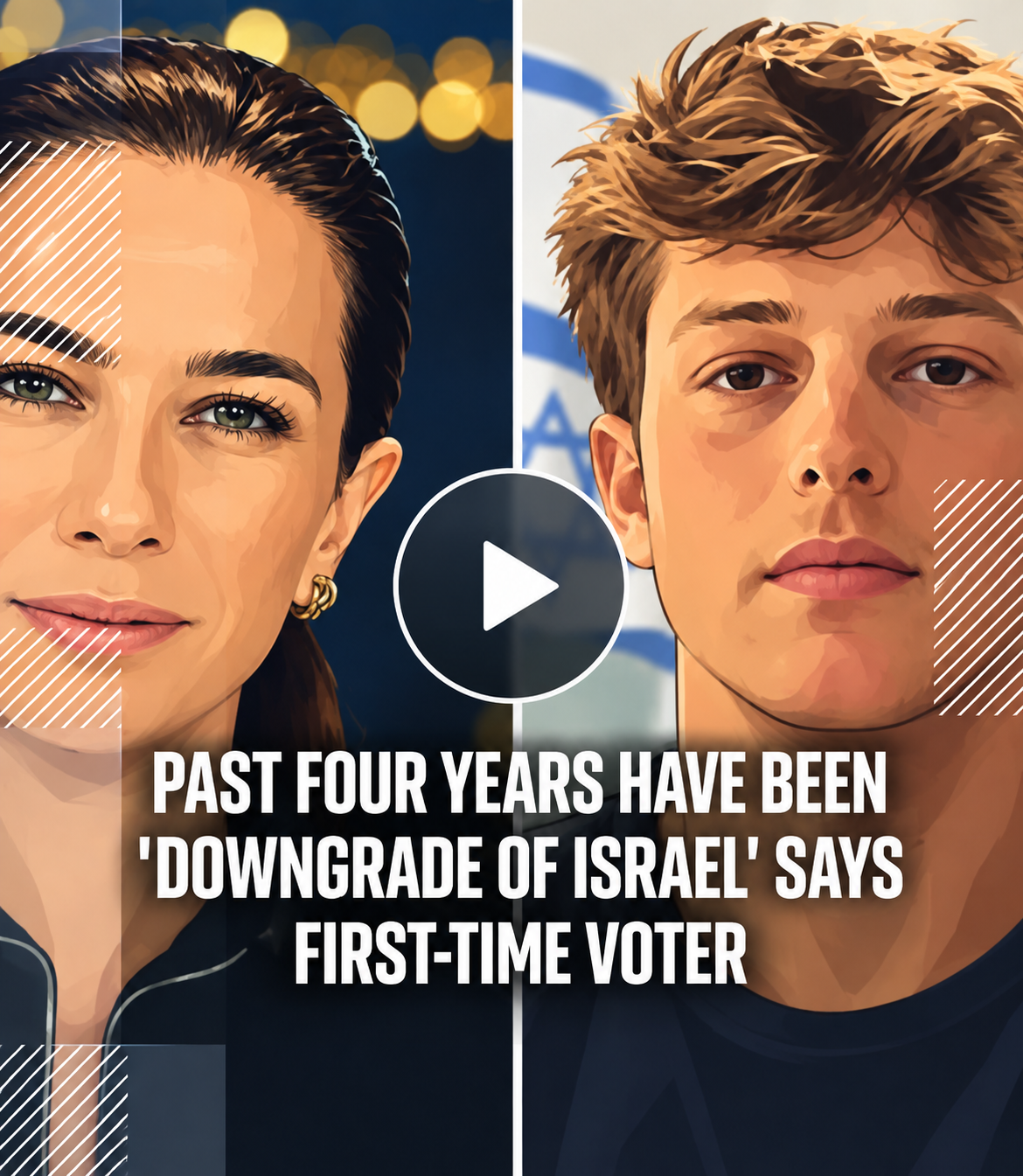
A 19-year-old Israeli preparing to join the military says growing concerns
over unequal conscription, economic pressures, and the country’s political
direction have made government change increasingly necessary.
Young Israelis Raise Concerns Over Military Service and Government Policies
As Israel continues to face security challenges across multiple fronts,
concerns over military service obligations, the rising cost of living,
and political leadership are becoming increasingly prominent among
younger Israelis.
In a recent interview, a 19-year-old Israeli who is preparing to join
the Israel Defense Forces (IDF) in approximately one month described
growing frustration among young people who are expected to complete
mandatory military service.
The young Israeli said that many of his friends are also preparing
to enlist, while thousands of ultra-Orthodox Jewish men continue to
avoid military service under existing exemptions and political
arrangements.
According to the interviewee, the difference in military obligations
has created a growing sense of inequality among young Israelis who
are expected to serve.
Military Conscription Inequality Becomes a Major Concern
The interviewee explained that military service has long been considered
a normal part of growing up in Israel. Most Jewish Israeli men are
generally expected to serve for approximately three years, while
women typically serve for a shorter period, subject to applicable
exemptions and regulations.
However, he argued that the current system places a disproportionate
burden on those who are required to enlist.
“We’re all growing up in Israel knowing that when we reach the age
of 18, we’re going to the IDF for three years. The girls a little
bit less, but we all know it’s part of our lives growing up.”
He added that the situation appears increasingly unfair to young
Israelis who are preparing to serve while others remain exempt
from military obligations.
The issue has also become more significant as Israeli soldiers
continue to serve in different areas, including Israel’s borders
with Lebanon and Gaza, as well as the West Bank.
Extended Military Service Adds Pressure on Soldiers and Families
The young Israeli also highlighted the challenges faced by soldiers
who are required to spend extended periods away from their families.
He argued that the IDF needs additional personnel and that the
current system contributes to the pressure experienced by soldiers
already serving on multiple fronts.
“It’s unfair for us, for the IDF that needs more soldiers.
People are tired, doing many days of service, not seeing
their families.”
He attributed part of the problem to the policies of Prime Minister
Benjamin Netanyahu’s government, particularly its approach to
ultra-Orthodox military exemptions.
The interviewee said he believes the situation could be addressed
through a different government and changes to the country’s
military conscription policy.
Rising Cost of Living and Crime Add to Public Frustration
Beyond military service, the interviewee identified economic
difficulties and public safety as additional concerns affecting
his outlook on Israel’s future.
He described the cost of living as increasingly difficult to manage
and expressed concern over rising crime rates.
According to the young Israeli, the past four years have brought
a noticeable decline in his perception of living conditions
in the country.
“Basically, the past four years have been nothing but a downgrade
of living in Israel. And I see that a change is really necessary.”
His comments reflect concerns about the country’s political direction,
economic pressures, and the challenges facing younger generations.
Young Israeli Expresses Support for Gadi Eisenkot
When asked about his voting choice, the interviewee said he had
supported Gadi Eisenkot, a former IDF chief of staff and political
rival of Benjamin Netanyahu.
He described Eisenkot as a capable leader whom he considers
worthy of serving as Israel’s prime minister.
The young Israeli also expressed hope that Eisenkot could play
a role in forming a coalition government capable of introducing
significant policy changes.
One of the main issues he wants addressed is the military
conscription system, particularly the exemptions granted to
members of the ultra-Orthodox Jewish community.
Hope for Political Change and Military Reform
Despite acknowledging the complexity of Israel’s current security
and political situation, the interviewee said he remains hopeful
that a new government could introduce meaningful reforms.
He emphasized that strengthening the IDF and ensuring a more
equitable distribution of military responsibilities should
be among the priorities of future leadership.
“I’m hoping. I know it’s not easy right now. The situation
is very difficult and complicated.”
He added that ensuring sufficient military personnel is one
of the fundamental principles he associates with Eisenkot’s
political platform.
The interview highlights the concerns of a young Israeli
preparing for military service at a time when questions
surrounding conscription, political leadership, and the
country’s economic future remain central to public debate.