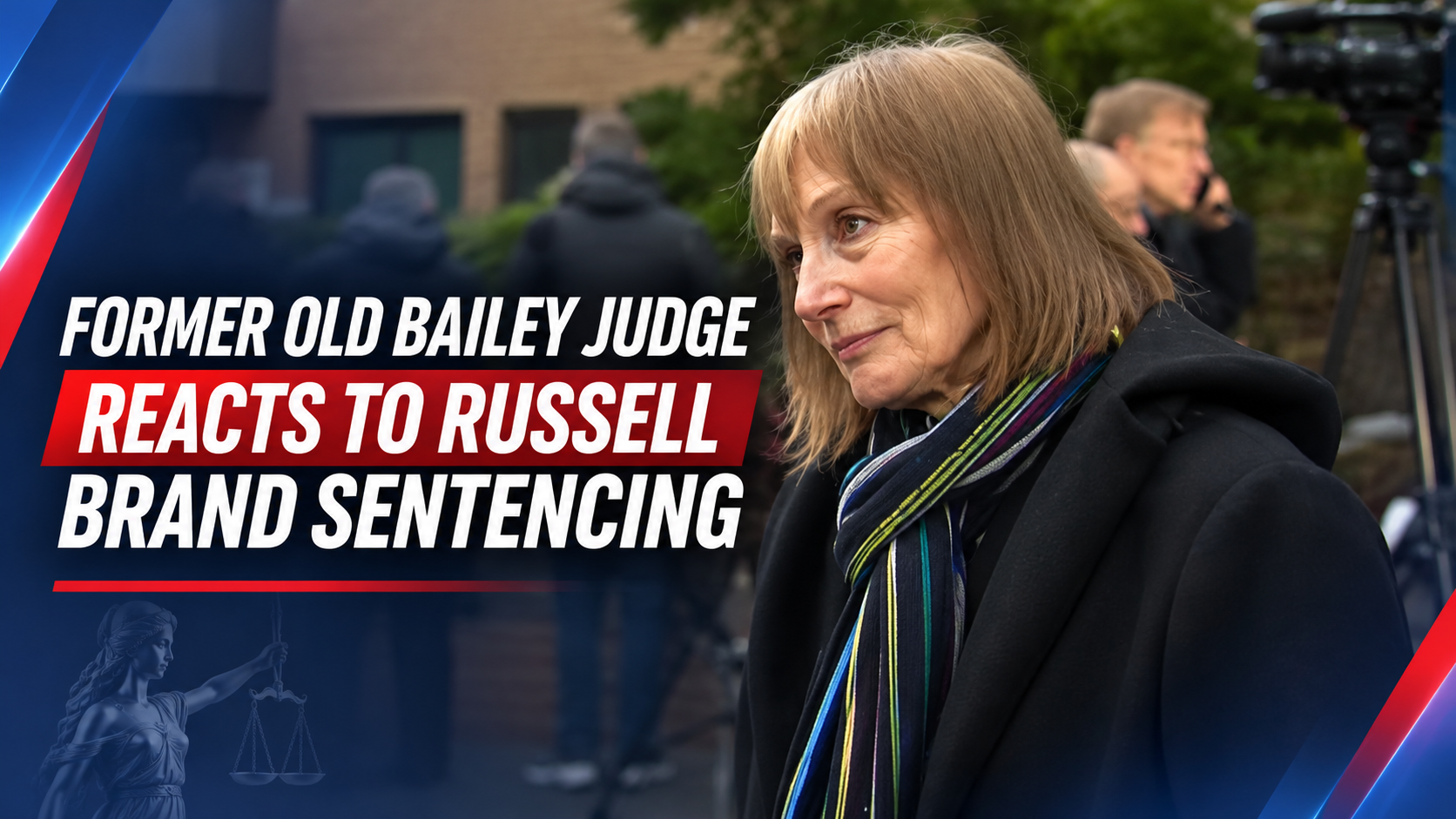
A legal expert has explained the reasoning behind a substantial prison sentence of 10 years and six months, highlighting the judge’s approach to sentencing and the importance of recognising the experiences of victims.
Why the Judge Decided to Issue Consecutive Sentences
A legal expert has discussed the sentencing decision in a high-profile sexual offences case, particularly the judge’s decision to impose consecutive sentences for the sexual assault offences rather than incorporating them into a single overall sentence.
According to the expert, this approach was somewhat unexpected. In many cases, courts may incorporate multiple offences into one overall sentence, increasing the principal sentence to reflect the full extent and seriousness of the wrongdoing.
However, the decision to impose consecutive sentences was ultimately a matter for the judge. The expert explained that although the sentencing structure may differ, the final outcome remains a substantial prison term reflecting the seriousness of the offences.
Judge’s Remarks Highlight the Experiences of Victims
Discussing the judge’s sentencing remarks, the legal expert identified the court’s consideration of the victims’ experiences as one of the most significant aspects of the decision.
The expert said the judge had demonstrated a careful understanding of what victims may have experienced in the circumstances surrounding the offences.
Particular attention was drawn to the environment in which the incidents took place. According to the expert, the atmosphere was shaped by the defendant and other individuals who allowed inappropriate behaviour to continue around them.
The expert described the judge’s remarks as evidence that the court had carefully considered the wider circumstances and the impact of the offending behaviour on those affected.
Defence Team Had Been Made Aware of the Potential Sentence
The discussion also examined whether the defendant would have anticipated receiving a prison sentence of 10 years and six months.
According to the legal expert, the possibility of a substantial sentence had likely been communicated to the defence team before the final decision was delivered.
Arguments presented during the sentencing process reportedly included consideration of an even higher sentencing level. The submissions explored the possibility of a level-one sentence, while also acknowledging that a level-two sentence, which was ultimately selected by the judge, might be a more realistic outcome.
These arguments had reportedly been prepared in written submissions and provided to the defence. The expert suggested that the defence counsel and solicitors would have discussed the potential sentencing outcomes with their client.
Nevertheless, the expert acknowledged that receiving the final sentence in court could still come as a considerable shock, even when the possibility had previously been discussed.
A Sentence Reflecting the Seriousness of the Offending
The legal analysis highlights several important elements of the sentencing decision, including the judge’s discretion, the treatment of multiple offences and the consideration given to victims’ experiences.
While the structure of consecutive sentences may differ from the approach commonly used in other cases, the expert emphasised that the overall sentence reflects the substantial nature of the offending.
The judge’s remarks also underline the importance of considering the circumstances surrounding offences and the experiences of those affected when determining an appropriate sentence.