The case has renewed discussions about the challenges women face when reporting sexual misconduct involving powerful public figures.
Russell Brand Receives 10-Year Prison Sentence
British comedian and former television presenter Russell Brand has been sentenced to 10 years and six months in prison following his conviction for rape and sexual assault. The sentencing, delivered at Southwark Crown Court in London on November 9, 2026, marks a significant development in a case that has attracted widespread public attention.
Brand was found guilty of one count of rape and three counts of sexual assault involving four women. The offences took place between 2004 and 2009. He was acquitted of two additional rape charges and one charge of attempted indecent assault.
Following the sentencing, attention has increasingly focused on the women who came forward and participated in the legal proceedings, particularly given the difficulties associated with reporting allegations against individuals with significant public influence.
Women in the Media Industry Highlight the Challenges of Speaking Out
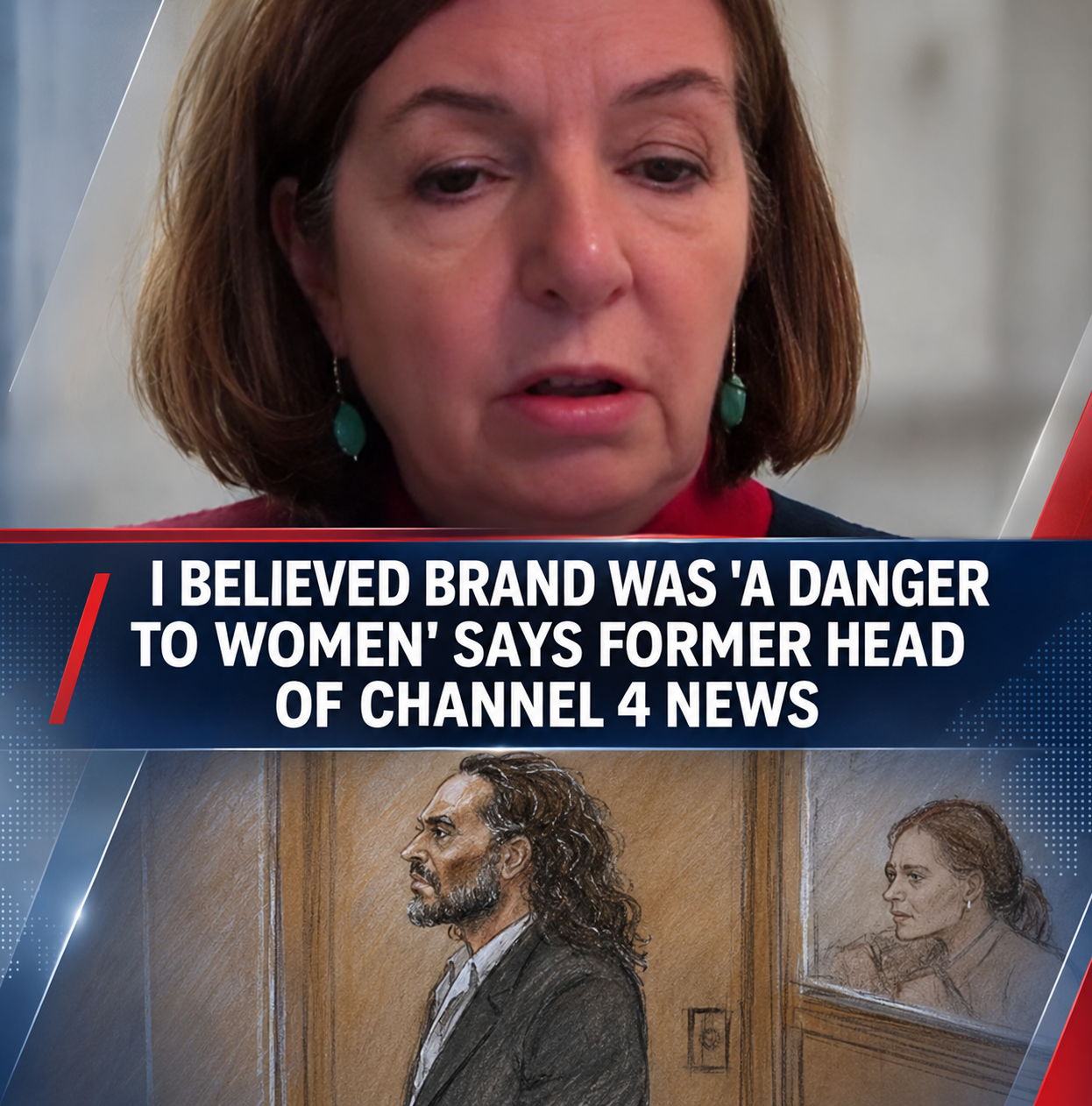
Commenting on the outcome, a woman familiar with the media industry described how many women had previously doubted that Russell Brand would ever face meaningful legal consequences.
She explained that even after the case reached court, some women remained unconvinced that a conviction would happen. However, she said she had maintained confidence that the legal process would eventually deliver an outcome.
She also praised the women who came forward, describing their decision to participate in the investigation and court proceedings as an act of considerable bravery.
According to her comments, bringing allegations against a high-profile individual into the public domain can be particularly difficult. Individuals with substantial financial resources and access to legal representation may create additional challenges for people considering whether to make a formal complaint.
Power Imbalances Can Make Reporting Misconduct Difficult
One of the key issues highlighted in the discussion was the imbalance of power that can exist between prominent media personalities and less established employees.
Young women working as freelancers or on short-term contracts may feel especially vulnerable when considering whether to report inappropriate conduct involving someone in a senior or influential position.
The potential consequences can include concerns about professional opportunities, workplace relationships, financial stability and the possibility of facing a difficult legal process.
For someone at the beginning of a media career, making a complaint against a powerful presenter may therefore feel overwhelming.
Nevertheless, the outcome of the Russell Brand case demonstrates that allegations can be investigated through the criminal justice system and that public status does not automatically prevent legal accountability.
A Message of Encouragement for Women Considering Reporting Abuse
During her remarks, the commentator encouraged young women who have experienced sexual assault not to assume that they are alone in their experiences.
She suggested that individuals who have experienced misconduct should not feel responsible for protecting someone else’s reputation or public image.
Her comments also highlighted the importance of recognising patterns of alleged misconduct and ensuring that people who come forward have access to appropriate support.
Reporting sexual offences can be an emotionally challenging experience, particularly when considerable time has passed or when the person accused holds a position of influence.
However, the case illustrates why accessible reporting channels, independent support services and appropriate investigative procedures remain important.
The Investigation That Led to the Court Case
The allegations against Russell Brand became widely known following an investigative report published in 2023 by The Sunday Times, The Times and Channel 4’s Dispatches.
The subsequent police investigation involved gathering witness statements, reviewing historical documents and examining evidence relating to the allegations.
According to the Metropolitan Police, investigators spoke to more than 100 witnesses and reviewed thousands of documents during the investigation.
Brand was subsequently prosecuted and faced seven charges involving six women. Following a four-week trial, the jury returned guilty verdicts on four counts.
The sentencing represents the conclusion of this particular trial, although police have indicated that separate allegations remain under investigation.
Why the Verdict Matters Beyond the Entertainment Industry
The case has brought renewed attention to the relationship between celebrity influence, workplace power dynamics and accountability.
For many people working in entertainment and broadcasting, the outcome serves as an important reminder that professional status should not place anyone beyond the reach of the law.
It also highlights the importance of creating professional environments where employees can raise concerns without fearing retaliation or damage to their careers.
Ultimately, the women who participated in the investigation and court proceedings have become central to a wider conversation about reporting sexual misconduct and improving the support available to those affected.
The commentator’s message was clear: coming forward can be difficult, particularly when the person involved is powerful and influential, but seeking justice remains possible.
Conclusion
Russell Brand’s 10-year-and-six-month prison sentence marks a significant moment in a high-profile criminal case involving allegations dating back several years.
Beyond the legal outcome, the case has highlighted the difficulties faced by women who report sexual misconduct, especially when their complaints involve influential figures in the media industry.
The courage of those who participated in the proceedings has become an important part of the public discussion, reinforcing the need for accountability, professional protection and support for individuals who experience sexual abuse.