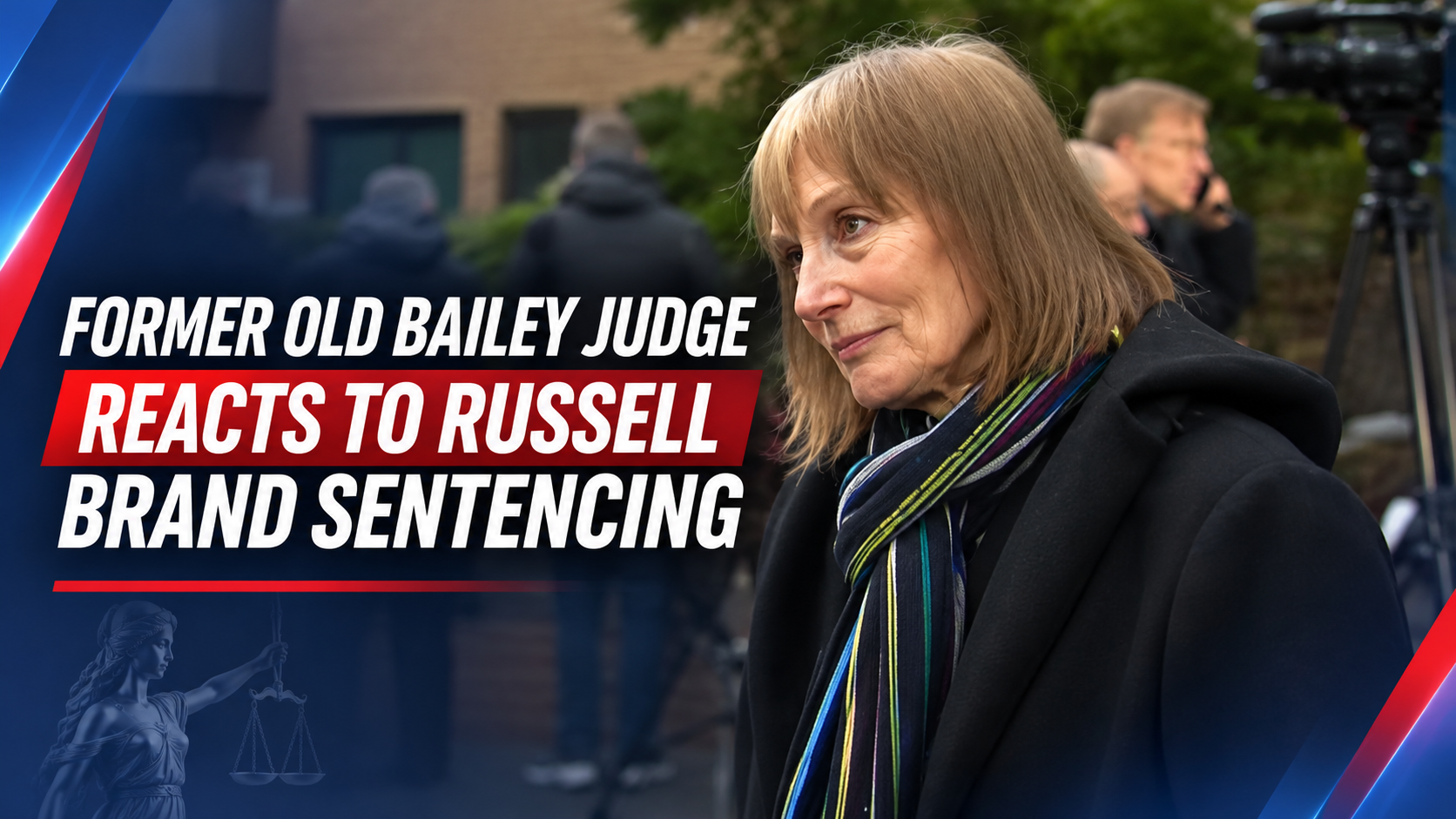
The case has reignited discussions about the entertainment industry’s responsibility, the influence of celebrity status, and society’s changing attitudes toward violence against women.
Justice and Public Reaction to the Russell Brand Case
The legal proceedings involving British entertainer Russell Brand have sparked renewed conversations about justice, accountability, and the treatment of women within the entertainment industry.
Reflecting on the outcome of the proceedings, one commentator expressed relief that justice had been served. They also questioned how women across the country might have reacted if Brand had been found not guilty of all the charges.
The discussion highlighted the importance of ensuring that allegations involving violence against women are taken seriously and that legal processes are allowed to operate without interference from celebrity influence or public reputation.
Did the Entertainment Industry Protect a Powerful Celebrity?
One of the central questions raised by the case concerns whether the entertainment industry enabled Brand’s behaviour for too long.
According to the discussion, Brand’s popularity and commercial value may have contributed to an environment in which people were reluctant to challenge him. His celebrity status and professional success potentially created incentives for those around him to overlook warning signs.
The commentator suggested that the entertainment business can sometimes place financial interests ahead of accountability. When a performer generates significant revenue, companies and individuals may become more concerned with protecting their investment than addressing uncomfortable questions.
This raises broader concerns about workplace culture, professional responsibility, and the systems designed to protect individuals working within the entertainment sector.
Celebrity Culture and Warning Signs That Were Overlooked
Another important aspect of the discussion was how Brand’s public image may have influenced perceptions of his behaviour.
His television appearances frequently included references to sex, relationships, and personal experiences. Behaviour that might now attract greater scrutiny was, in some entertainment environments, treated as part of his public persona.
The commentator described the situation as one in which Brand appeared to operate openly while concerns about his conduct were not sufficiently addressed.
Some women who came forward reportedly described feeling that their concerns were unlikely to lead to meaningful consequences. Their experiences have contributed to wider discussions about the difficulties individuals can face when challenging powerful public figures.
Changing Social Attitudes Toward Violence Against Women
The conversation also examined whether society’s attitude toward violence against women and girls has changed over the past two decades.
The commentator argued that mainstream culture has made significant progress in recognising the seriousness of such issues. Conduct that might previously have been dismissed or overlooked is increasingly regarded as unacceptable and potentially damaging to an individual’s reputation.
Public scrutiny has also become more influential. Allegations and investigations involving misconduct can have significant consequences for prominent individuals, organisations, and even political institutions.
This shift reflects growing expectations that public figures and institutions should be held accountable for their actions, regardless of their status or professional achievements.
Are Institutions Keeping Pace With Public Expectations?
Despite changes in public attitudes, questions remain about whether institutions have developed the systems and political commitment necessary to address these issues effectively.
The commentator suggested that public awareness may have advanced further than the attitudes of some people in positions of authority.
This concern extends beyond politics to include media organisations, entertainment companies, and other powerful institutions. Organisations may still face pressure to protect their reputations, influence, and established relationships when allegations involving prominent figures emerge.
As a result, there can be a significant gap between what the public expects and how institutions respond to serious concerns.
Media Accountability Remains a Key Issue
The wider implications of the Russell Brand case extend beyond the individual and the legal proceedings. They also raise questions about the responsibility of broadcasters, production companies, and other organisations that work with influential celebrities.
Media organisations have a responsibility to create environments in which concerns can be reported, investigated, and addressed appropriately. Celebrity status should not place individuals beyond scrutiny or prevent organisations from examining potential misconduct.
Ultimately, the discussion highlights the importance of transparency, institutional accountability, and meaningful protections for people who come forward with concerns.
Conclusion
The Russell Brand case has renewed debate about the relationship between celebrity influence, media responsibility, and justice. While social attitudes toward violence against women have evolved, questions remain about whether powerful institutions are changing at the same pace.
The broader challenge is ensuring that public recognition, commercial success, and institutional influence never become reasons to overlook serious concerns or weaken accountability.