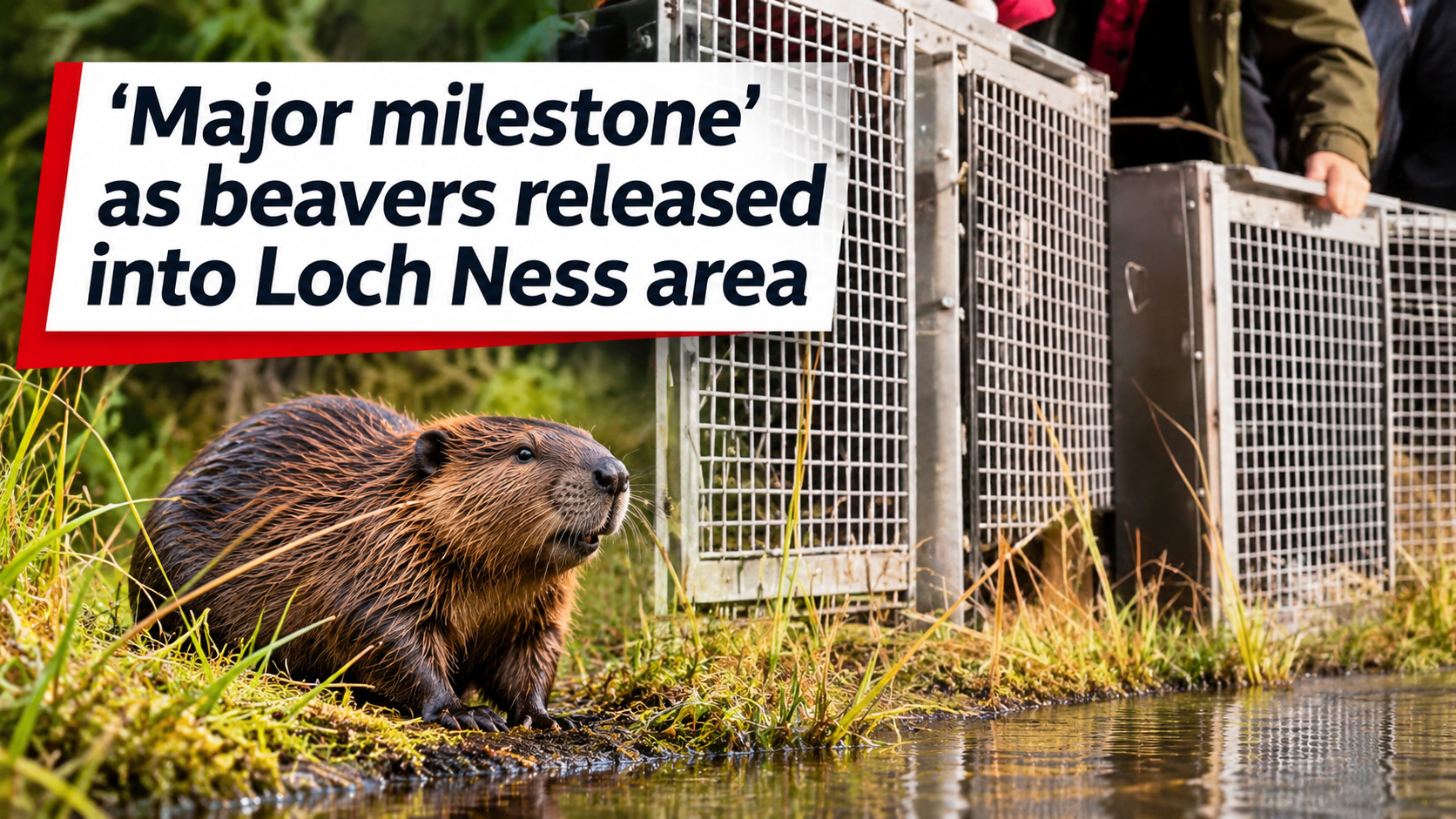
Beaver populations are showing promising signs of adapting to their new habitat, with conservationists expecting changes to local wetlands and the possibility of new offspring as early as next year.
Beavers Expected to Transform the Local Landscape
The return of beavers to the area is raising hopes for a healthier and more diverse natural environment. Conservationists believe that the animals could play an important role in reshaping the local landscape through their natural dam-building activities.
According to those monitoring the project, success will be measured by whether the beavers can establish themselves, thrive in their surroundings, and successfully reproduce.
Natural Dams Could Expand Wetland Habitats
One of the most significant expected changes is the potential expansion of nearby wetland areas. Beavers are well known for building dams across waterways, which can slow water flow and create new wetland habitats.
Conservationists are particularly interested in an area of water behind the monitoring site. If the beavers construct a dam near the point where the water flows into the river, the existing wetland could become larger.
These changes may create additional habitats for wildlife and support a greater variety of plant and animal species.
More Wildlife Expected as the Ecosystem Develops
The anticipated changes could bring wider environmental benefits. As wetlands expand, they may provide suitable conditions for different species to feed, shelter, and reproduce.
Conservationists hope that the beavers’ natural engineering activities will encourage more wildlife to return to the area, contributing to a richer and more balanced ecosystem.
Hope for Baby Beavers Next Year
Another encouraging possibility is the arrival of young beavers. Those involved in monitoring the animals hope that the first signs of successful breeding could appear as soon as next year.
Reproduction would represent an important milestone for the conservation project. It would indicate that the beavers have adapted sufficiently to their surroundings and that the habitat provides suitable conditions for raising their young.
For conservationists, seeing baby beavers would be a particularly positive sign that the animals are comfortable and thriving in their new environment.
A Promising Future for Local Wildlife
The potential expansion of wetlands, increased wildlife activity, and successful beaver reproduction are all important indicators of progress.
Although the full environmental impact will take time to become clear, conservationists remain hopeful that the beavers will help create a more diverse and sustainable natural habitat.
The coming months will be important in determining how the animals adapt and whether their presence leads to the ecological changes that conservationists are hoping to see.