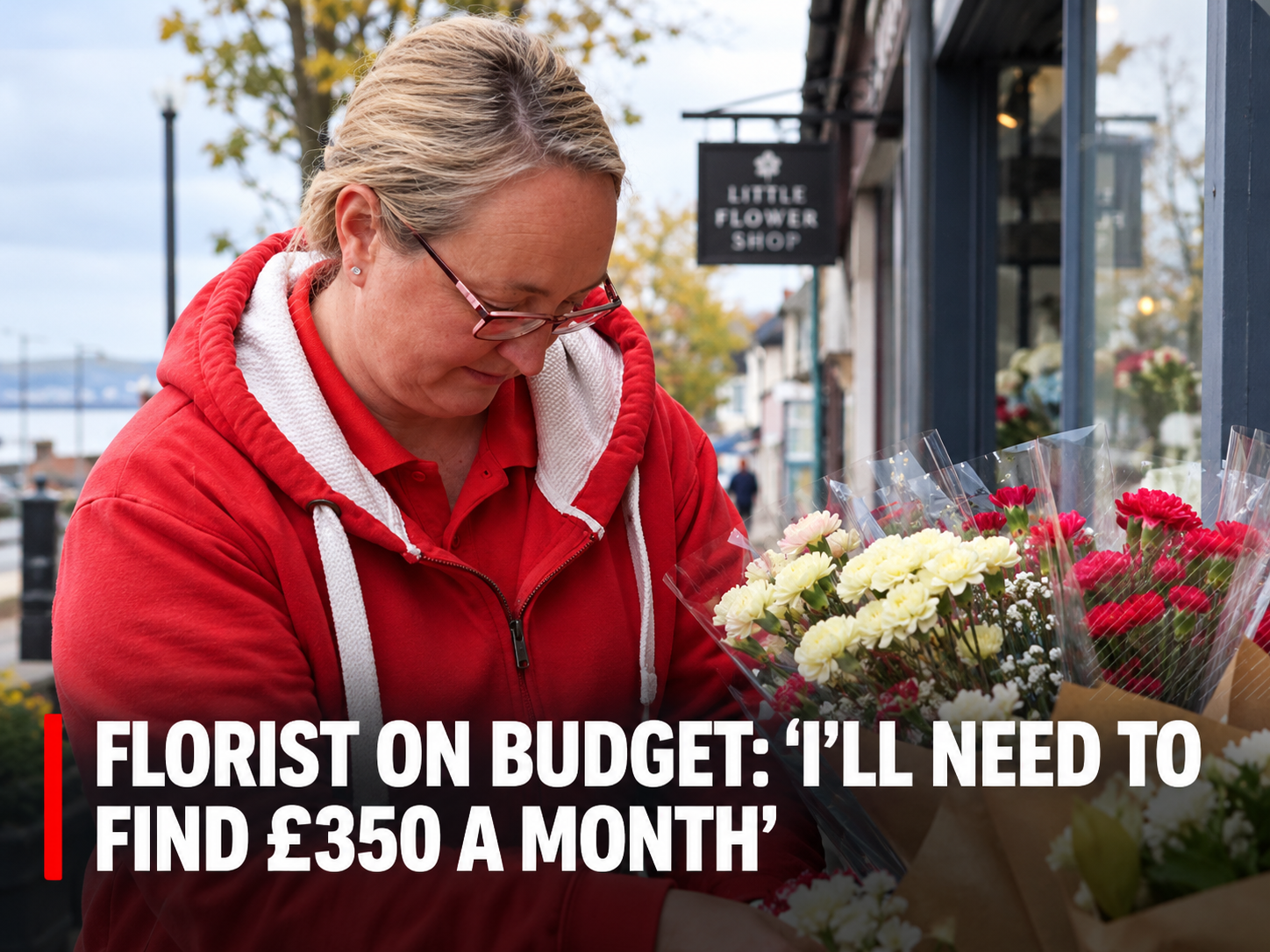
The government’s latest budget introduces targeted financial support for households and businesses, but concerns remain over rising energy costs, falling living standards and the pressure on small employers.
Families in Morecambe Continue to Feel the Financial Pressure
Communities along the Lancashire coast continue to face financial challenges as rising living costs and pressure on household budgets affect families and local businesses. In Morecambe, where millions of pounds have been promised for regeneration, residents and business owners say the economic squeeze remains difficult to escape.
The Chancellor’s latest budget aims to provide some relief for working people through targeted energy bill support, an increase in the National Living Wage and reductions in business rates for eligible businesses. However, reactions from the local community suggest that the measures may not be enough to offset the wider cost-of-living pressures.
The government has described the budget as an effort to support working people while helping businesses manage their costs. For those already struggling to balance income and expenditure, the real impact will depend on how much support they receive and how quickly it makes a difference.
Energy Bill Support Welcomed by Local Workers
Hayley, who works at her sister’s florist business, is among those expected to benefit from an additional £100 towards energy bills. She also welcomed the increase in the National Living Wage, although she acknowledged that the practical benefits would become clearer once the changes take effect.
For many households, even a relatively modest payment can provide some short-term assistance with essential expenses. However, the amount of relief people experience will depend on their individual circumstances, including their energy consumption and other monthly costs.
The additional support is intended to ease some of the pressure on household finances. Nevertheless, concerns remain about whether the payment will be sufficient if energy prices and other essential expenses continue to rise.
Small Businesses Face Higher Wage Costs
While workers may benefit from higher wages, some small businesses are concerned about the additional costs involved in employing staff.
Abi, who runs a business with employees affected by the minimum wage increase, estimated that the change would add approximately £350 a month to her wage bill.
She acknowledged that the extra expense would have to be absorbed by the business, potentially requiring her to work harder to cover the difference.
The situation highlights a challenge facing many small employers: balancing fair pay for workers with the need to keep businesses financially sustainable. Higher wages can help employees manage living costs, but employers must also find ways to cover increased operating expenses.
Hospitality Business Owners Wanted a VAT Reduction
Chris, a business owner in the hospitality sector, had hoped the budget would include a reduction in Value Added Tax (VAT) for hospitality businesses. That measure was not announced as part of the budget described in the report.
However, a 20% business rate reduction is expected to take effect in April for eligible businesses. Chris viewed the change as a positive first step, suggesting that any savings could help businesses invest in other areas, including employing additional staff.
He also indicated that paying employees more than the minimum wage was not a concern in itself, provided the business remained busy and received support in other areas.
His comments reflect the wider uncertainty facing hospitality operators, who must manage staffing expenses, business overheads and changing customer demand while trying to maintain their services.
A Budget of Limited Financial Relief
The measures announced in the budget have been characterised as relatively small forms of assistance rather than major financial giveaways. The additional £100 for energy bills, business rate relief and higher wages may offer some breathing space for households and employers.
However, the central question is whether these measures will be sufficient to protect living standards as the cost of essential goods and services remains a concern.
For households, the impact of financial support depends not only on the amount received but also on the pace at which their regular expenses increase. For businesses, the balance between tax relief and higher wage costs will be an important factor in determining whether the changes provide a meaningful benefit.
Inflation and Energy Prices Remain Key Concerns
Forecasts from the UK’s budget watchdog point to continued pressure on household finances, with rising inflation expected to contribute to a fall in household incomes.
A representative discussing the outlook warned that the anticipated 16% increase in the energy price cap in January could outweigh the £100 payment for some households over the period from January to April alone.
The warning raises questions about whether the government’s assistance will reach far enough to address the financial difficulties experienced by lower-income households.
Some families already struggle to cover basic expenses with their existing incomes. In such circumstances, limited financial assistance may help with immediate bills without resolving the underlying affordability problems.
The energy price cap affects the rates suppliers can charge for energy usage under the relevant tariff rules. Actual household bills vary according to consumption, tariff arrangements and other factors, meaning the financial impact will not be identical for every household.
Will the Budget Be Enough to Help Working People?
The latest budget contains targeted measures rather than sweeping tax cuts or major new spending commitments. The government hopes that the support will reduce pressure on households while limiting the financial burden on businesses.
For workers such as Hayley, the energy payment and higher minimum wage could provide some welcome assistance. For business owners such as Abi and Chris, the overall effect will depend on whether the available relief can offset higher employment and operating costs.
The experiences of people in Morecambe illustrate the difficult choices facing policymakers as they seek to support households without placing additional strain on employers.
Although the announced measures may offer some immediate relief, concerns about inflation, energy prices and household purchasing power are likely to remain central to the debate over the UK’s economic outlook.