Questions are emerging over how critical forensic information was handled during an investigation into a death initially classified as undetermined.
New Information Raises Concerns About the Investigation
Newly discussed information from an autopsy has raised significant questions about how investigators evaluated the circumstances surrounding a person’s death. According to statements from an individual reviewing the case, the medical examiner initially considered certain information so important that she determined the death could not immediately be classified as either suicide or homicide.
The initial determination reportedly reflected uncertainty about the circumstances of the death and the need for further examination of the available evidence.
However, concerns have since emerged about whether the information identified as critical during the original examination was adequately investigated or reconsidered.
Security Guard’s Account Becomes a Point of Concern
One of the central issues involves a security guard who reportedly said he discovered the body hanging. According to the account presented during the review, the medical examiner had initially wanted to speak with this individual as part of the investigation.
However, the reviewer stated that no further investigation took place at that stage and that the guard was not interviewed until approximately two years later.
When the conversation eventually occurred, the information reportedly did not receive the level of attention that the reviewer believes it deserved. The reviewer also questioned why the medical examiner’s office did not formally reassess the information or evaluate its potential significance.
This has raised broader questions about whether all relevant witness statements were properly incorporated into the forensic investigation.
Questions About the Medical Examiner’s Assessment
A key concern raised during the review is that evidence once considered important to determining the manner of death may not have been fully examined afterward.
The reviewer argued that the medical examiner’s office should have reconsidered the information obtained from the security guard, particularly because the initial determination had left open the possibility of either suicide or homicide.
In forensic investigations, the distinction between suicide, homicide, and an undetermined manner of death can depend on multiple factors. These may include autopsy findings, injury patterns, witness accounts, scene evidence, and other investigative information.
Consequently, questions about whether relevant evidence was properly reviewed can become particularly significant when a case remains disputed.
Reviewer Says Injuries Do Not Support Suicide
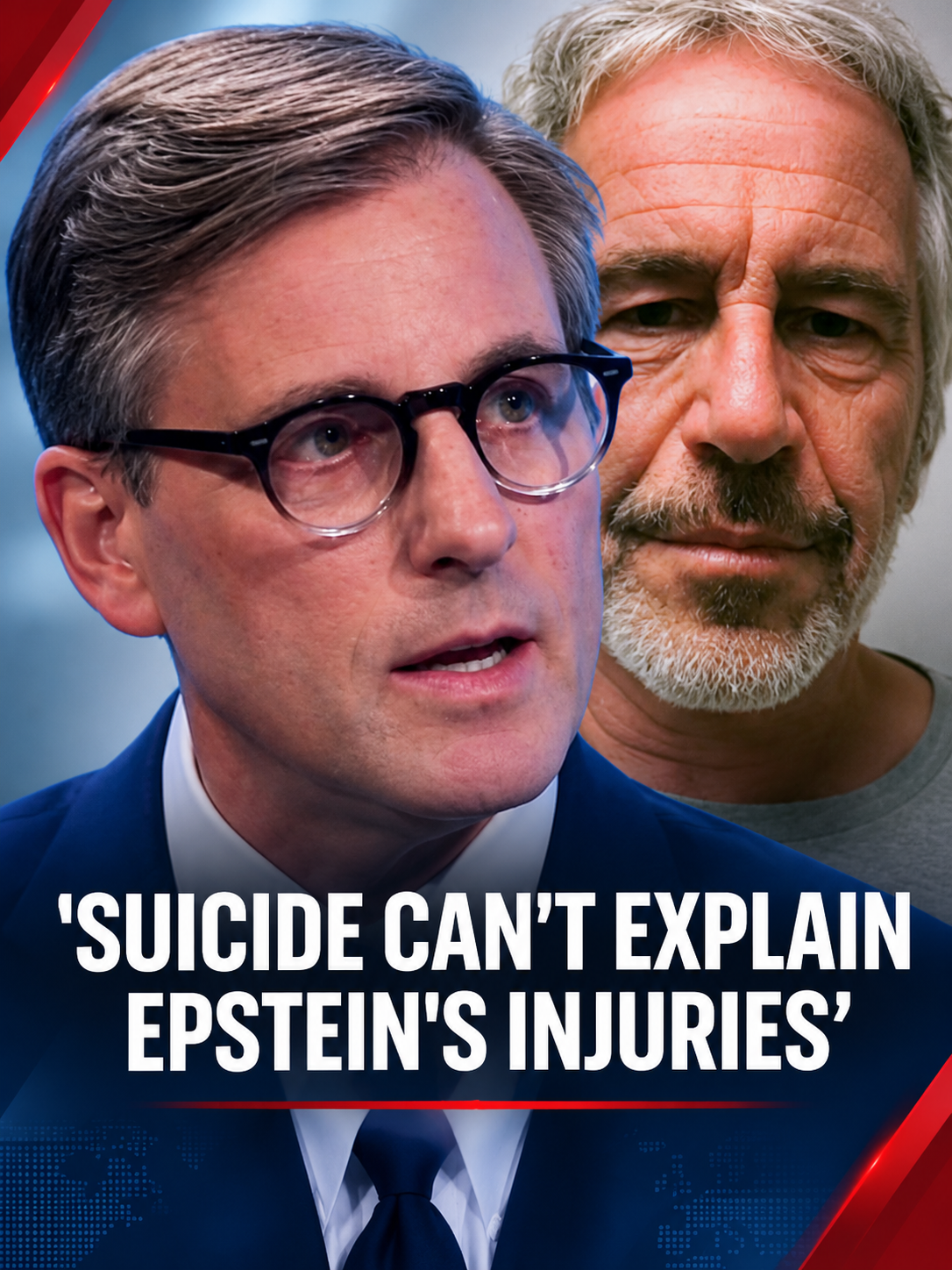
After examining the information available in retrospect, the reviewer said the evidence did not provide a convincing explanation for suicide.
The reviewer explained that having access to information gathered over time made it possible to reassess the case from a broader perspective. By examining the available details together, the reviewer concluded that the injuries could not be adequately explained by suicide.
Based on this assessment, the reviewer expressed strong certainty that the death was a homicide rather than a suicide.
However, this represents the reviewer’s professional assessment as described in the account. It should not automatically be interpreted as an official change in the original medical examiner’s determination or as a final legal finding.
Why a Complete Review of Forensic Evidence Matters
Cases involving disputed manners of death demonstrate the importance of a thorough and transparent investigative process.
Forensic conclusions should consider all relevant evidence, including witness statements, medical findings, and circumstances surrounding the discovery of a body. When previously overlooked information becomes available, a reassessment may help clarify unresolved questions.
Independent reviews can also provide another perspective on whether the original investigation adequately addressed the available evidence.
Unanswered Questions Remain
The concerns raised in this case center on whether critical information was overlooked and whether the security guard’s account should have prompted a more detailed forensic reassessment.
Although the reviewer expressed strong confidence in a homicide conclusion, the available account does not establish whether authorities have formally changed the original classification of the death.
Further clarification from the medical examiner’s office and investigators would be important in understanding how the evidence was handled and whether additional investigative steps are necessary.
For now, the case highlights the importance of examining every relevant piece of evidence before reaching a definitive conclusion about the circumstances of a death.