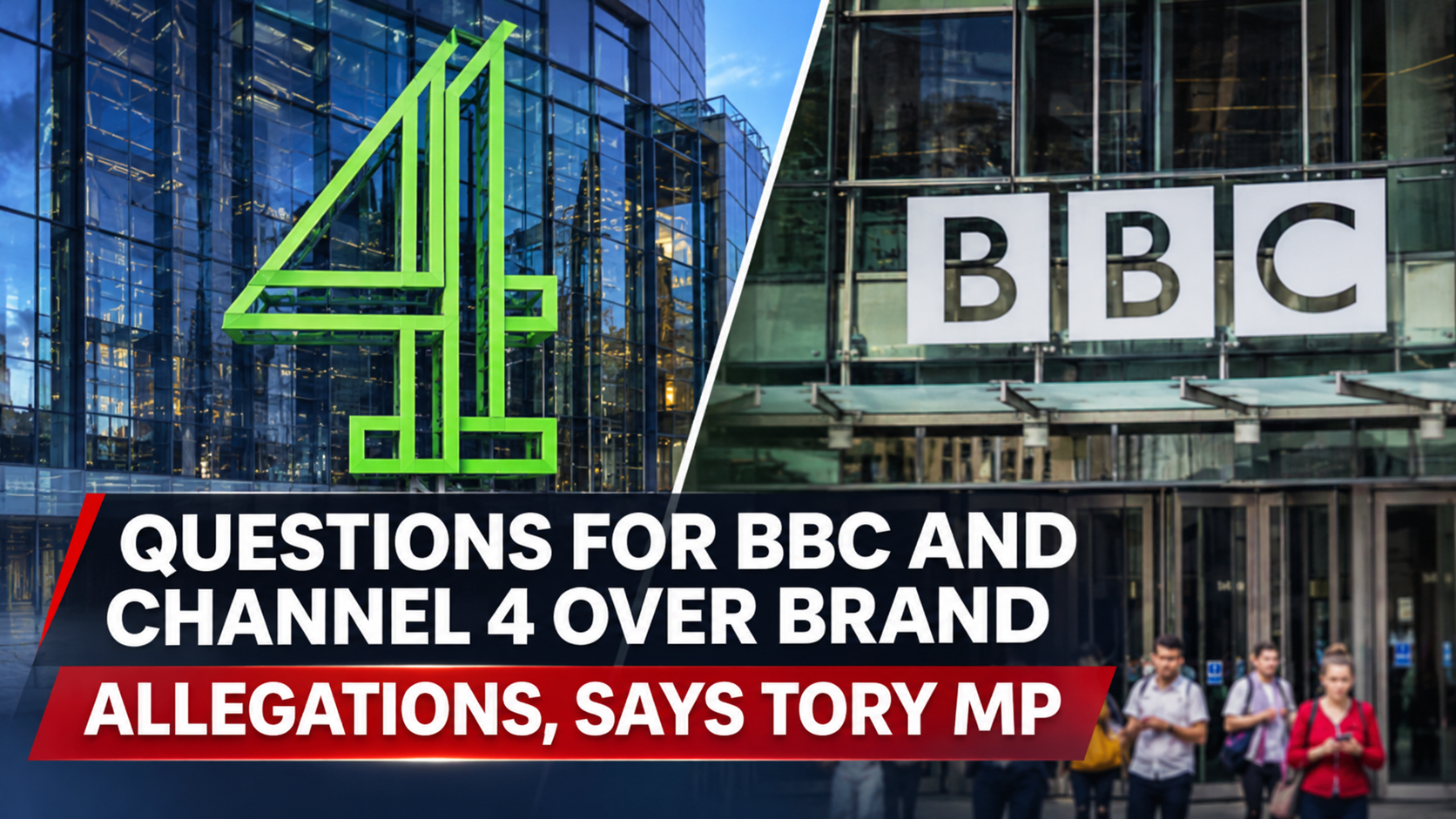
Questions have emerged about how broadcasters handled historical complaints and whether concerns raised by women were adequately addressed.
BBC Faces Scrutiny Over Historical Workplace Concerns
The BBC is facing renewed questions about its handling of historical concerns involving comedian and television personality Russell Brand, following reports that he was barred from the corporation’s Los Angeles office in 2019.
According to reporting by The Times, the restriction followed an alleged incident in which Brand reportedly exposed himself to a woman at the office approximately a decade earlier.
However, concerns have been raised about why the reported restriction applied to one BBC location while Brand was apparently still able to work elsewhere within the organisation.
During a discussion about the allegations, a representative involved in parliamentary scrutiny of the media industry argued that the corporation must answer questions about who knew about the concerns and whether individuals within the industry helped protect high-profile talent.
Media Industry Under Pressure to Address Accountability
The discussion highlighted broader concerns about the way entertainment and broadcasting organisations have historically responded to allegations of inappropriate and abusive behaviour.
There are growing calls for media organisations to examine whether the reputations of prominent presenters and performers were prioritised over the safety and concerns of colleagues.
The speaker stressed that broadcasters’ reputations are now at stake, particularly as questions surrounding workplace culture, accountability and the treatment of complainants receive greater public attention.
The issue also raises questions about internal reporting procedures, management responsibilities and whether complaints were properly investigated when concerns first emerged.
Channel 4 Also Faces Questions Over Historical Complaint
Channel 4 has also come under scrutiny despite its role in helping bring allegations concerning Russell Brand into public discussion.
During the interview, attention was drawn to the account of a woman identified as Woman 6, who reportedly said she was sexually assaulted by Brand while recording a Channel 4 project in 2009.
She alleged that after attempting to report the incident, her complaint was brushed aside by senior management.
The account has prompted further questions about how Channel 4 handled complaints at the time and whether appropriate procedures were followed to protect individuals working on its productions.
These allegations have also renewed wider concerns about the treatment of women who report sexual misconduct within the entertainment and television industries.
Channel 4 Leadership Expected to Face Parliamentary Questions
The issue is expected to receive further attention during an upcoming parliamentary committee session involving Channel 4’s chief executive and chair.
According to the interview, both senior figures are scheduled to appear before the committee in the coming weeks, where the handling of historical complaints is expected to be raised.
The committee’s interest reflects broader concerns about institutional accountability and the responsibilities of senior executives when allegations of misconduct are brought to their attention.
Renewed Debate Over Protecting Victims in the Broadcasting Industry
The allegations involving Russell Brand have contributed to a wider debate about workplace culture and the responsibilities of broadcasters towards employees, contributors and production staff.
Critics argue that organisations must ensure complaints are treated seriously, investigated independently where appropriate, and handled through transparent procedures.
The situation also highlights the importance of ensuring that individuals feel safe reporting misconduct without fear of professional consequences or being ignored by management.
For both the BBC and Channel 4, the questions now extend beyond individual allegations to the wider systems and decisions that shape workplace accountability across the media industry.