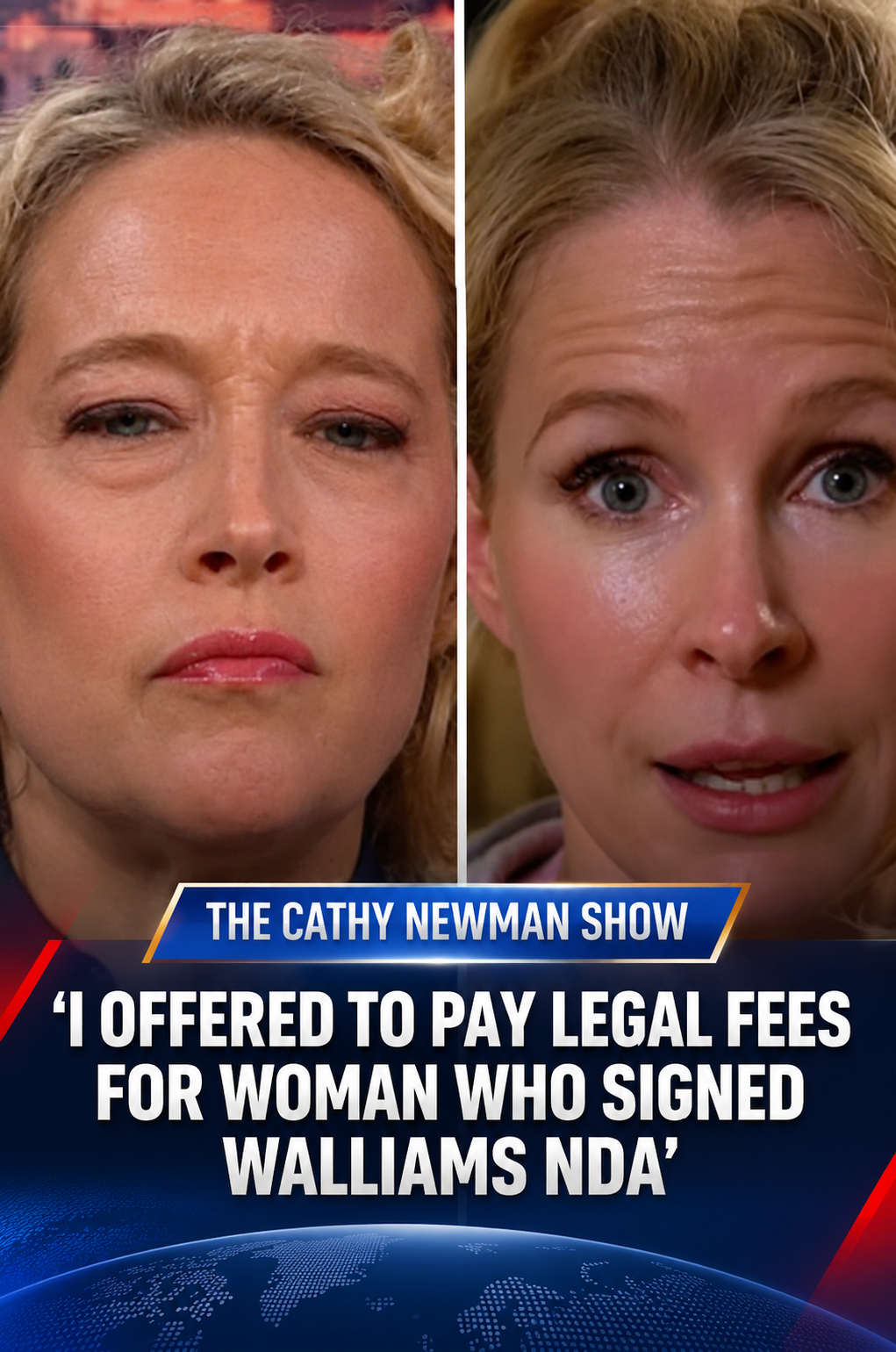
A television presenter has spoken publicly about concerns raised by a young television worker regarding alleged workplace conduct involving comedian and television personality David Walliams. The account has drawn attention to questions surrounding the treatment of young women working in the entertainment industry and the potential impact of confidentiality agreements.
Former Television Worker Shared Concerns
During a broadcast discussion, the presenter explained that although they had never worked directly with Walliams, they had received a concerning account from a young person approximately three years earlier.
According to the presenter, the individual had worked on a television programme involving Walliams before joining another production where they subsequently worked together.
The young worker reportedly approached the presenter privately and expressed concerns about conduct they had encountered while working on the earlier production.
The presenter said the individual had described being asked to take young female workers to Walliams’ dressing room. The women were reportedly over the age of 16, although their exact ages and circumstances were not established in the account.
Concerns About Potentially Vulnerable Young Women
One aspect that particularly concerned the presenter was the reported background of the young women involved.
They were described as coming from working-class backgrounds, with some reportedly having little or no previous experience of London or the television industry.
The presenter said this made them concerned that the women could have been in vulnerable situations, particularly because they were relatively inexperienced in the entertainment business.
However, the presenter emphasized that the information had been shared with them second-hand. They did not personally witness any inappropriate conduct and acknowledged that they could not independently establish whether the allegations were accurate.
Presenter Attempted to Contact One of the Women
Following the conversation, the presenter said they attempted to contact some of the young women to check on their wellbeing.
They described reaching one individual who appeared to be experiencing significant emotional distress. The presenter said they became seriously concerned about her mental health and feared that she might harm herself.
The individual had reportedly shared material online that appeared to show her in a dressing room. The presenter said they wanted to help her access support and protection, while making clear that they were not claiming to have verified the full account.
Questions Raised About Non-Disclosure Agreements
Another significant concern raised during the discussion involved a reported non-disclosure agreement (NDA) that the young woman had allegedly signed.
The presenter suggested that the agreement may have restricted more than communication with journalists or the media. According to their account, the woman may also have been prevented from discussing her experiences with family members or friends.
This raised broader questions about how confidentiality agreements are used in the entertainment industry, particularly when young or inexperienced workers may be involved.
Although NDAs can serve legitimate business and confidentiality purposes, concerns can arise when individuals feel unable to seek personal support or report potentially inappropriate workplace conduct.
Importance of Safeguarding in the Entertainment Industry
The account highlights the importance of safeguarding measures for young workers entering television and entertainment productions.
Clear reporting procedures, appropriate supervision, accessible support services and transparent workplace policies can help ensure that individuals feel safe when raising concerns.
It also underlines the importance of distinguishing between allegations, second-hand accounts and independently verified facts when discussing sensitive workplace issues.
Conclusion
The presenter’s account has raised questions about workplace safeguarding, the treatment of young women in television production environments and the potential limitations of confidentiality agreements.
However, the claims described during the broadcast remain an account of information reportedly shared by another individual. The presenter acknowledged having no direct knowledge of the alleged incidents, and the account alone does not establish that wrongdoing occurred.
Any further assessment of the claims would require reliable evidence and an opportunity for the individuals concerned to respond.