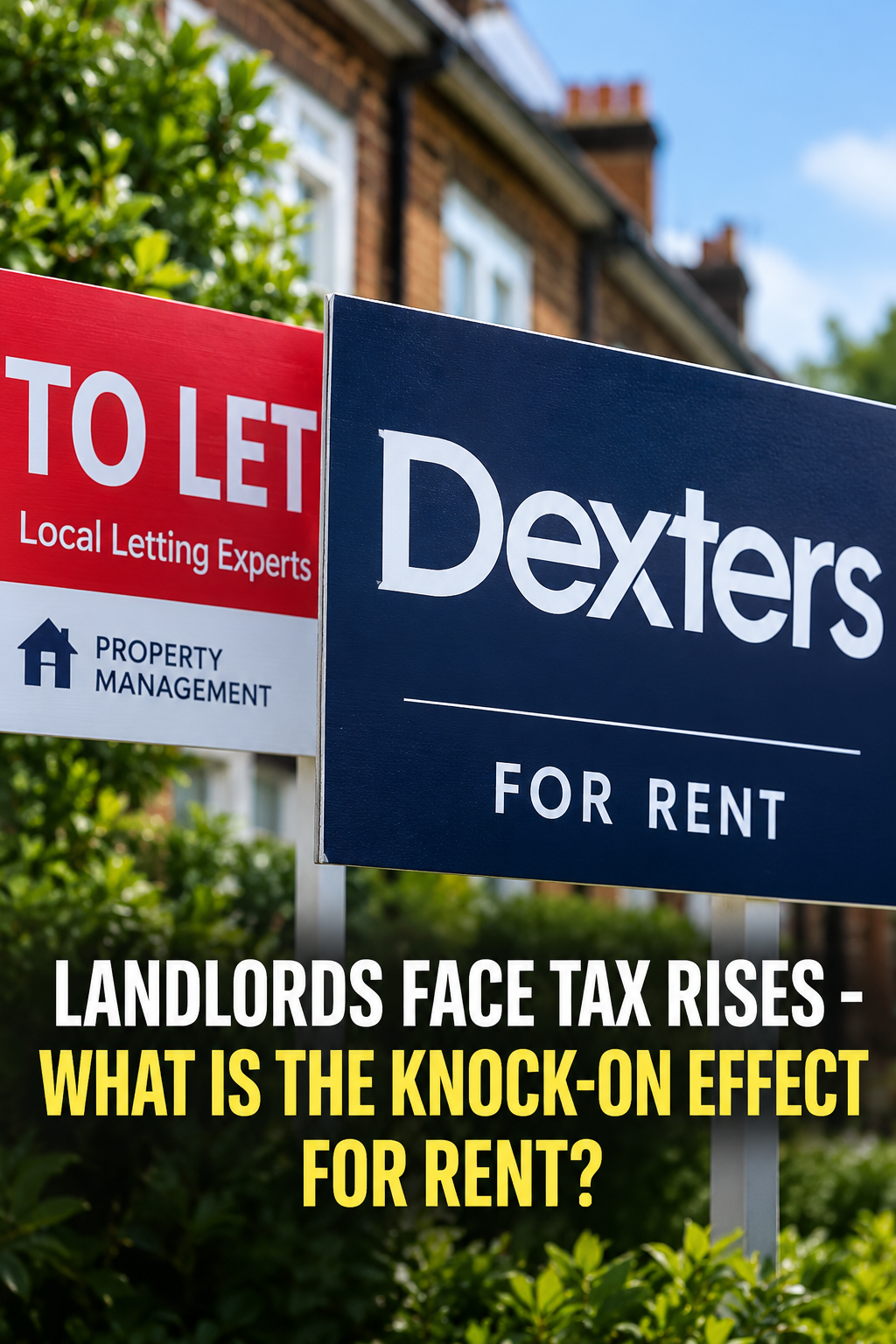
Rising taxes on rental income could put additional pressure on landlords, potentially affecting property investment, rental supply and tenants across the UK.
Landlords across the United Kingdom are preparing for higher taxes on rental income following the government’s latest budget announcement. The proposed changes have sparked frustration among property owners, with some warning that the additional financial pressure could eventually affect tenants.
Several landlords have expressed concerns about the growing tax burden. Some describe the increases as “death by a thousand cuts”, while others say they may no longer be able to protect tenants from rising costs. Others are already considering selling their rental properties.
With approximately 2.85 million landlords operating across the UK, the changes raise an important question: could tenants ultimately bear the cost of higher taxes on landlords?
What Is Changing for UK Landlords?
Under the budget measures, landlords will face an additional two-percentage-point increase in income tax on rental income from April 2027. This comes on top of a separate two-percentage-point increase announced previously.
The changes mean that a larger proportion of landlords’ taxable rental profits will go towards income tax, potentially reducing the amount of money they retain from their properties.
Under the announced tax rates, the expected income tax levels on taxable rental income will be:
- Basic-rate taxpayers: 24%
- Higher-rate taxpayers: 44%
- Additional-rate taxpayers: 49%
These increases could make property ownership more expensive for landlords, particularly those who already face higher mortgage payments, maintenance expenses and other property-related costs.
How Much More Tax Could Landlords Pay?
To understand the potential financial impact, consider a landlord who earns £15,000 in taxable rental profit over one year.
Under the previous basic income tax rate of 20%, the landlord would pay £3,000 in tax. At the new rate of 24%, the tax bill would increase to £3,600.
| Tax Calculation | Previous Rate | New Rate |
|---|---|---|
| Annual taxable rental profit | £15,000 | £15,000 |
| Income tax rate | 20% | 24% |
| Annual tax payment | £3,000 | £3,600 |
| Additional annual tax | — | £600 |
In this example, the landlord would pay an additional £600 annually, assuming the same taxable profit and that the relevant tax rates apply.
Although the difference may appear manageable for some property owners, the impact could become more significant for landlords with multiple rental properties or other substantial operating expenses.
Why Are Landlords Concerned About the Changes?
The main concern is that higher taxes could reduce the profitability of rental properties. Landlords argue that their income is already affected by mortgage costs, insurance, maintenance, property management fees and other expenses.
One concern raised by property owners is that the additional tax burden could make investing in rental properties less attractive.
If fewer investors enter the rental market, or existing landlords decide to sell their properties, the number of homes available for rent could potentially decline.
However, demand for rental accommodation remains an important factor. If demand stays high while the supply of available properties becomes more limited, competition among prospective tenants could increase.
Could Higher Landlord Taxes Lead to Rising Rents?
One of the biggest questions surrounding the tax changes is whether landlords will increase rents to compensate for their higher costs.
Some property owners believe they will have little choice but to pass at least part of the additional financial burden on to tenants. Others may choose to absorb the costs, depending on their financial circumstances and the competitiveness of their local rental market.
The Office for Budget Responsibility has warned that the measures collectively risk contributing to a gradual increase in rental prices.
Nevertheless, the relationship between landlord taxation and rent increases is not straightforward. Rental prices are also influenced by housing supply, tenant demand, mortgage costs, local economic conditions and the availability of alternative accommodation.
Tenants Are Already Facing Rental Market Pressure
The potential tax changes come at a time when many tenants are already dealing with rising accommodation costs.
According to figures cited in the original report, the average UK rent has reached £1,406 per month, representing an increase of almost 4% compared with the previous year.
Rental prices have also increased year after year over the past decade, creating additional financial pressure for households that depend on private rented accommodation.
Demand remains strong, too. Property platform Zoopla reports that each newly advertised rental property receives more than five enquiries on average.
This level of competition highlights the challenges faced by people searching for affordable accommodation, particularly in areas where rental properties are limited.
Not All Landlords Earn High Rental Profits
While the discussion often focuses on landlords with large property portfolios, not every property owner generates substantial rental income.
Almost half of UK landlords earn £10,000 or less per year from renting, according to figures referenced in the original report.
For smaller landlords, even relatively modest tax increases could affect their overall financial position. Some may decide that continuing to rent out their properties is no longer financially worthwhile.
However, the impact will vary depending on individual circumstances, including mortgage arrangements, property expenses, tax allowances and the number of properties owned.
What Could Happen to the UK Rental Market?
The long-term consequences of higher taxes on rental income remain uncertain. Several possible outcomes could emerge as the new rules take effect.
1. Some Landlords May Increase Rents
Landlords facing higher costs may attempt to increase rents when reviewing existing agreements or advertising properties to new tenants. Whether they can do so will depend on local market conditions and applicable tenancy regulations.
2. Property Investment Could Slow Down
Higher taxation may reduce the expected returns from buy-to-let investments. This could discourage some potential investors from purchasing properties specifically for rental purposes.
3. Rental Property Supply Could Be Affected
If more landlords choose to sell their properties, the supply of privately rented accommodation could face additional pressure. However, the overall impact will depend on whether new investors enter the market and how housing demand develops.
4. Tenants Could Face Greater Competition
If rental supply decreases while demand remains strong, tenants could find it more difficult to secure suitable accommodation at affordable prices.
Who Will Ultimately Pay for the Higher Taxes?
The government’s decision to increase taxes on rental income has created uncertainty for both landlords and tenants.
For landlords, the changes could mean lower profits and reduced incentives to invest in rental properties. For tenants, the concern is that higher operating costs could contribute to further rent increases in an already competitive housing market.
However, higher taxes do not automatically translate into higher rents. Landlords cannot always pass additional costs directly to tenants, particularly in markets where affordability limits how much renters are willing or able to pay.
Ultimately, the impact will depend on how landlords respond, how rental supply develops and whether demand continues to outpace the availability of suitable homes.
As the April 2027 changes approach, both property owners and tenants will be watching closely to see how the government’s tax policy affects the UK’s private rental market.
Frequently Asked Questions (FAQs)
When will the UK landlord tax increase take effect?
The announced increase in income tax on rental income is scheduled to take effect from April 2027.
What will the new basic income tax rate on rental income be?
The announced basic rate will rise to 24%, compared with the previous rate of 20%.
Will landlords increase rent because of higher taxes?
Some landlords may attempt to increase rents to offset higher costs. However, actual rental prices will also depend on market demand, housing supply and local affordability.
How much additional tax could a landlord pay?
For example, a landlord with £15,000 in taxable rental profit could pay £600 more annually when the tax rate rises from 20% to 24%, assuming all other factors remain unchanged.
Could the tax changes reduce the number of rental properties?
It is possible that some landlords may sell their properties or reduce their investments. However, the overall effect on rental supply remains uncertain.