Concerns over the direction of American leadership have intensified as the United States faces multiple domestic and international challenges, including the conflict involving Iran, economic uncertainty, and the ongoing war in Ukraine.
During a recent discussion, a former US leader expressed disappointment with President Donald Trump’s priorities, questioning why the administration appeared focused on showcasing proposed White House projects while significant geopolitical and economic issues demanded attention.
Criticism of Presidential Priorities
The former leader highlighted several major challenges confronting the United States, including the conflict with Iran, economic difficulties, and Ukraine’s increasingly critical position in Europe’s long-term security.
Against this backdrop, the discussion turned to Trump’s decision to showcase plans for a White House ballroom and a proposed architectural arch. The former leader suggested that such presentations appeared disconnected from the more urgent responsibilities facing the administration.
The comments reflected broader concerns about political leadership, government priorities, and the need to address issues that directly affect Americans and international stability.
Election Results Reflect Public Frustration
Reflecting on the recent election results, the former leader said that many Americans had wanted a political turning point to happen much earlier.
According to the remarks, the election outcome demonstrated that a significant portion of the American public had become dissatisfied with the country’s political direction.
However, the former leader emphasized that electoral victories also bring substantial responsibilities. Those who gained political support must now demonstrate their ability to deliver meaningful improvements rather than simply celebrate their success.
The discussion also raised questions about accountability, particularly concerning allegations that members of a political family had benefited financially from their positions in public service.
Climate Diplomacy and the Future of COP
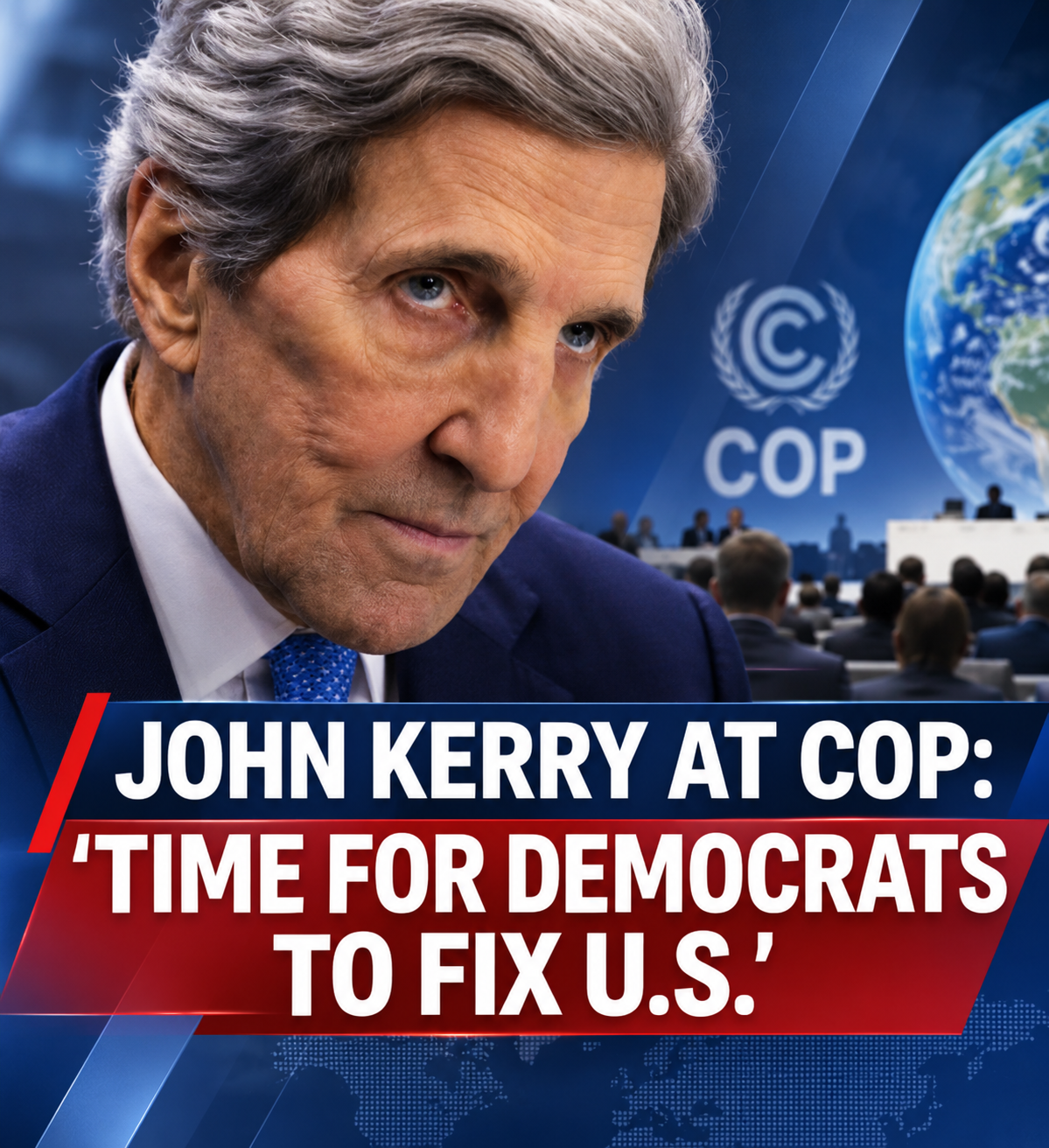
The conversation also addressed the international climate process known as COP, with particular attention to whether global negotiations had achieved their intended objectives.
Asked whether the process had succeeded in delivering its most ambitious goals, the former leader gave a straightforward assessment: it had not fully accomplished what it set out to achieve.
Nevertheless, the speaker argued that the negotiations had demonstrated a possible pathway toward progress. This suggested that international cooperation could still produce meaningful results if governments were willing to make stronger commitments.
Proposal for a White House Climate Summit
The former leader revealed having discussed potential solutions with former President Joe Biden, including the possibility of organizing a major summit at the White House.
The proposed gathering would bring together major economies and developed nations to address difficult international challenges through direct negotiations.
The idea was based on the belief that meaningful diplomatic progress often requires sustained discussions among political leaders, particularly when negotiations involve complex economic and environmental interests.
The speaker described the need for a president willing to bring influential leaders together for an extended period, encouraging them to remain focused on negotiations until concrete agreements could be reached.
Leadership and International Cooperation Remain Essential
The remarks highlight the challenges facing American leadership at a time when domestic political divisions and international conflicts require sustained attention.
From economic concerns and geopolitical instability to climate negotiations, the issues discussed demonstrate the importance of clear priorities, political accountability, and effective diplomacy.
Ultimately, the former leader’s message emphasized that political victories should be followed by practical action. Whether addressing domestic concerns or international challenges, meaningful leadership requires a willingness to confront difficult problems and work toward lasting solutions.