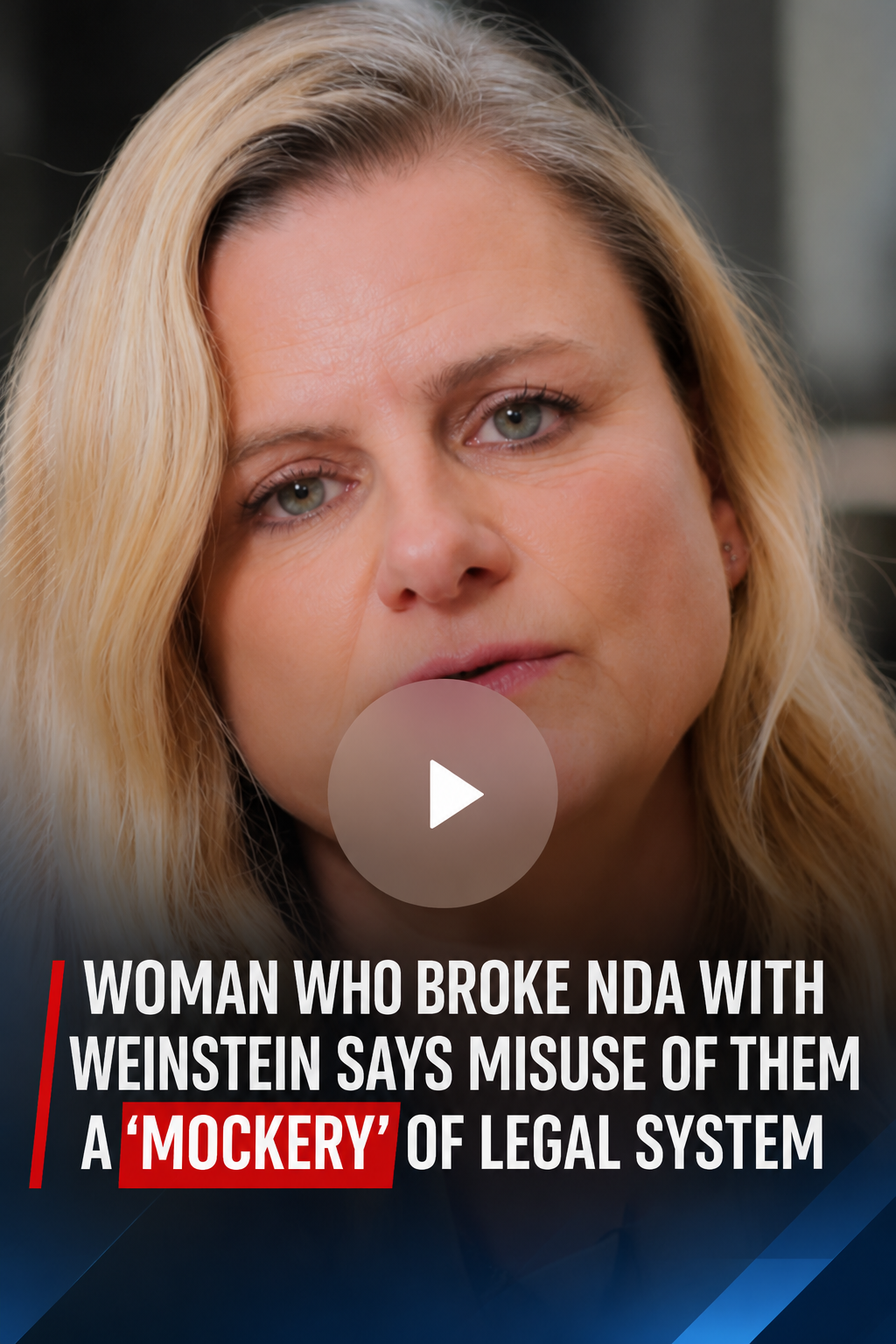
Former Harvey Weinstein assistant Zelda Perkins has welcomed significant changes to UK confidentiality laws, arguing that new legal protections will help prevent powerful individuals and organisations from using non-disclosure agreements (NDAs) to silence victims of abuse and workplace misconduct.
Breaking Silence Over Misused Non-Disclosure Agreements
Zelda Perkins, who broke a non-disclosure agreement connected to Harvey Weinstein in 2017, has spoken about the risks individuals face when challenging confidentiality agreements used to conceal allegations of abuse.
Perkins said that, at the time, she genuinely feared she could face imprisonment for breaking the agreement. However, she believed the risk was justified given the growing number of people coming forward with allegations concerning Weinstein’s sexual misconduct.
She has since become involved in the Can’t Buy My Silence campaign, which seeks to challenge the misuse of NDAs and protect individuals who want to speak about wrongdoing.
According to Perkins, legal instruments such as NDAs, strategic lawsuits against public participation (SLAPPs) and injunctions can serve legitimate purposes when used appropriately. However, she warned that these mechanisms become problematic when wealthy or influential individuals use them to silence vulnerable people and protect their reputations.
She argued that such practices can prevent important matters of public interest from being exposed and undermine confidence in the justice system.
Me Too Movement Changed the Environment for Speaking Out
Perkins believes there has been a significant cultural shift since the emergence of the Me Too movement, with more people feeling confident about sharing their experiences of abuse and misconduct.
She pointed to public discussions involving media personalities such as Russell Brand and David Walliams as examples of how the environment surrounding allegations and public accountability has evolved.
Perkins suggested that people increasingly recognise that speaking out is becoming more socially acceptable and that the legal system, although often slower to respond, is gradually adapting to these changes.
She also highlighted the importance of strengthening legal protections so that individuals do not have to choose between protecting themselves legally and speaking about experiences that may be in the public interest.
UK Introduces Stronger Protections Against Confidentiality Agreements
Perkins welcomed changes to UK legislation that aim to limit the circumstances in which confidentiality agreements can be used to prevent people from speaking about wrongdoing.
She highlighted two important developments in particular.
NDAs Signed by Victims and Witnesses of Crime
According to Perkins, legal protections introduced in October last year mean that non-disclosure agreements signed by witnesses or victims of crime are void.
This measure represents an important step towards ensuring that confidentiality agreements cannot be used to prevent people from reporting or discussing criminal conduct.
Employment Rights Act and Workplace Protections
Perkins also highlighted provisions under the Employment Rights Act, expected to take effect in September next year, which are intended to strengthen protections for employees who speak about workplace harassment and discrimination.
The changes are designed to prevent employers from using confidentiality agreements to silence employees about harassment, discrimination or the way their complaints have been handled.
She also referred to restrictions on non-disparagement clauses, which can otherwise be included in agreements to discourage individuals from making negative statements about an employer or organisation.
A Significant Step Towards Protecting Vulnerable Individuals
For Perkins, these legal developments represent substantial progress in addressing the imbalance of power between individuals and organisations with significant financial or legal resources.
She praised the UK government’s efforts to introduce stronger protections, describing the changes as important steps towards ensuring that vulnerable people are not forced into silence through legal agreements.
The wider debate surrounding NDAs continues to raise questions about the balance between legitimate business confidentiality, individual rights and the public interest.
As legal protections evolve, campaigners such as Perkins argue that confidentiality agreements should never become instruments for concealing abuse or preventing accountability.
Conclusion
Zelda Perkins’ experience highlights the challenges faced by individuals who seek to expose misconduct while bound by restrictive legal agreements.
Her support for stronger UK legislation reflects a broader effort to ensure that victims and employees can speak about abuse, harassment and discrimination without being unfairly threatened with legal consequences.
While NDAs may remain legitimate tools in appropriate circumstances, the growing emphasis on protecting vulnerable individuals signals an important shift in how confidentiality agreements are viewed and regulated.