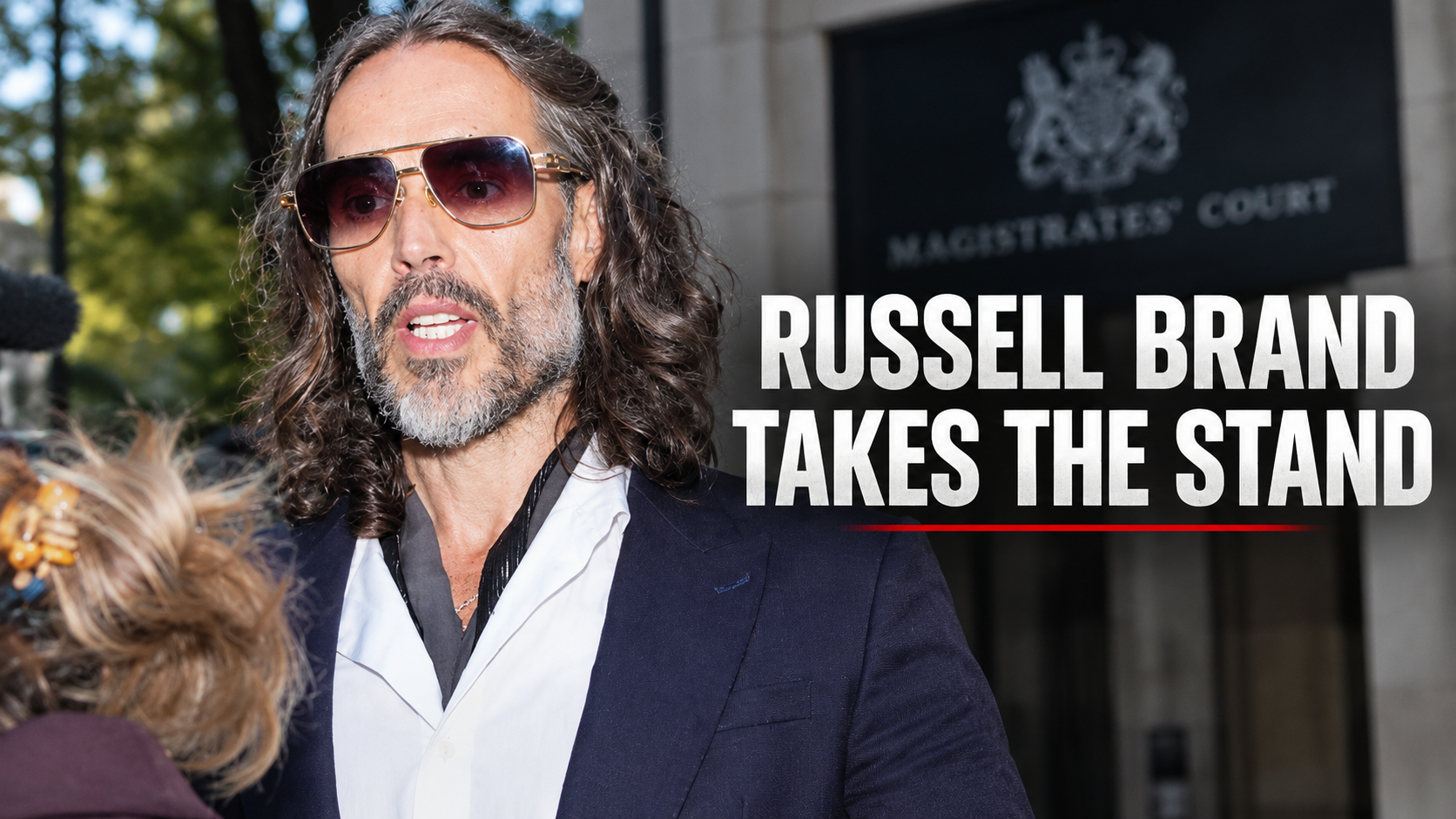
Public discussions surrounding Russell Brand have sparked wider conversations about accountability, workplace culture, and the responsibilities of people who may have witnessed inappropriate behavior.
Questions About Those Who May Have Enabled Misconduct
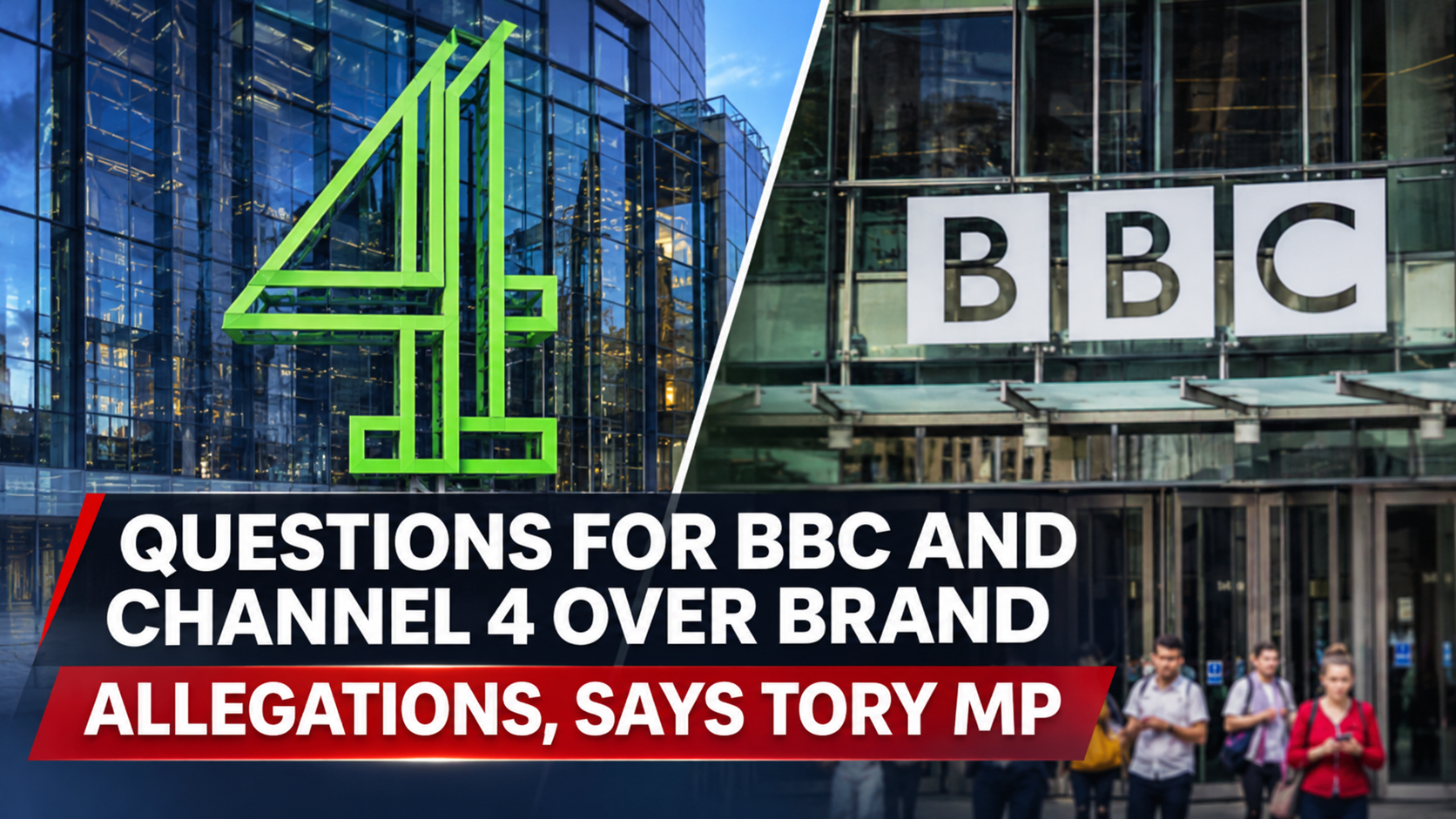
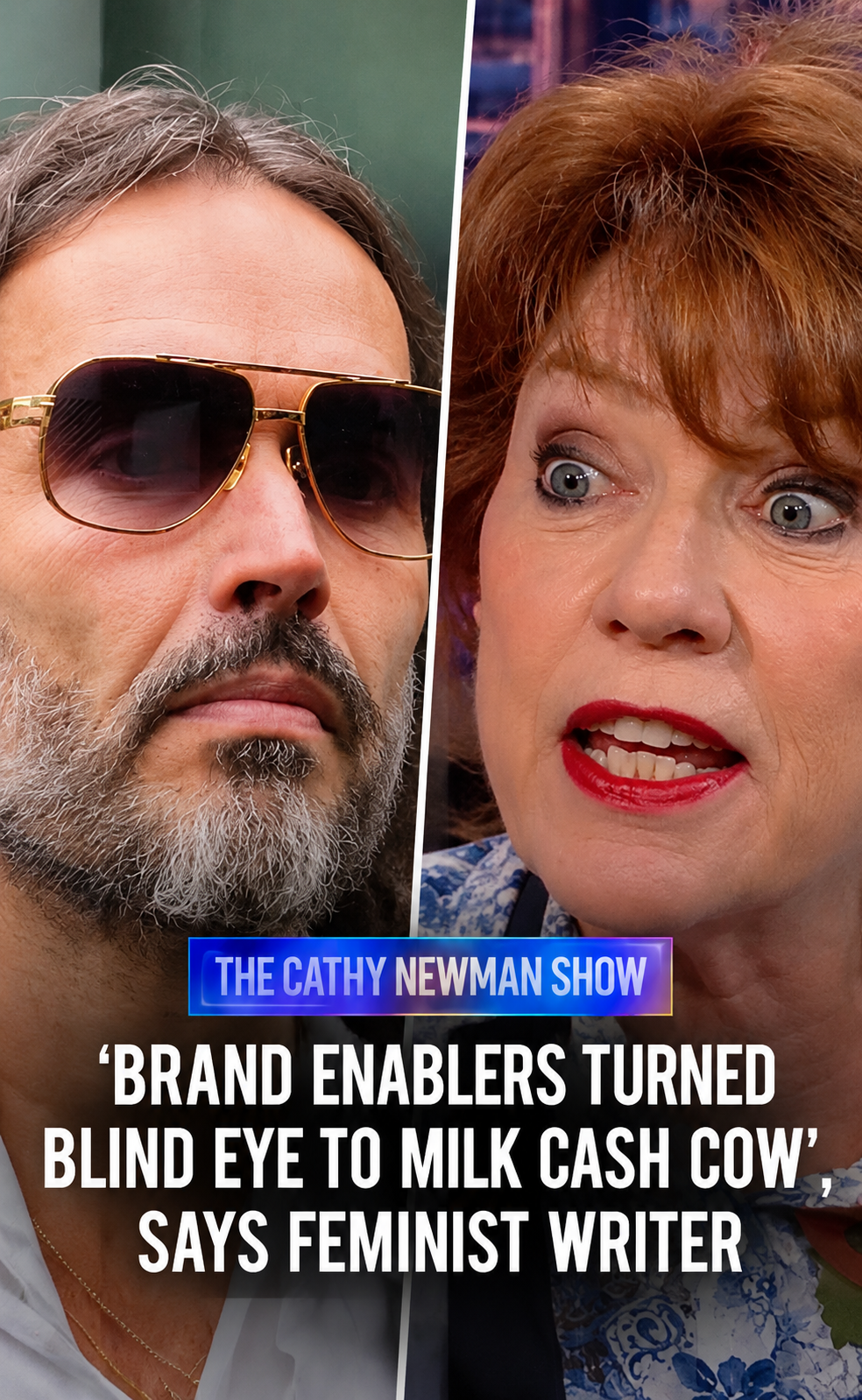
One of the central points raised in recent discussions is the role of colleagues, associates, and executives who may have been aware of inappropriate conduct.
The debate highlights an important issue: accountability should not necessarily stop with the individual directly accused of wrongdoing. People who knowingly facilitate, encourage, or conceal misconduct may also deserve scrutiny, depending on the available evidence.
This discussion has renewed attention on the importance of professional responsibility and the need for organizations to establish environments where inappropriate behavior can be reported without fear of retaliation.
Workplace Culture and the Responsibility to Speak Up
The controversy has also encouraged conversations about how workplace cultures can influence individual behavior.
In some professional environments, inappropriate conduct may be dismissed as humor, tolerated because of someone’s popularity, or overlooked because of financial and commercial interests.
Such environments can make it difficult for victims to speak openly and seek support.
Commentators argue that colleagues and senior executives have an important responsibility to challenge inappropriate behavior rather than remain silent. Creating a safer workplace requires more than policies; it also requires individuals to take responsibility for their actions and decisions.
Feminism and the Changing Expectations of Men
Another aspect of the discussion concerns the relationship between feminism and modern masculinity.
Some commentators argue that gender equality can benefit men as well as women by challenging traditional expectations that men must always be financially responsible, emotionally restrained, or constantly demonstrate toughness.
These expectations can create unnecessary pressure and limit how men express themselves.
A broader understanding of equality encourages healthier relationships, shared responsibilities, and greater emotional freedom for everyone.
However, discussions about gender equality should avoid treating men as a single group or assuming that frustration and aggression are inevitable responses to social change.
Encouraging Accountability Among Men
The conversation also raises questions about how men can challenge inappropriate behavior within their own social circles.
Whether among friends, family members, or colleagues, speaking out against misconduct can help establish healthier social standards.
Parents can encourage respectful attitudes toward women through conversations with their children, while friends and coworkers can challenge harmful jokes, harassment, and behavior that crosses personal boundaries.
Meaningful cultural change requires participation from individuals across society, rather than placing the responsibility exclusively on victims or advocacy groups.
A Wider Conversation About Responsibility
The discussions surrounding Russell Brand demonstrate how controversies involving public figures can lead to broader questions about professional ethics, social responsibility, and the influence of workplace culture.
While allegations and individual accounts must be assessed carefully and fairly, the wider issue remains important: organizations and communities should not ignore warning signs of inappropriate behavior.
Ultimately, accountability involves more than examining the actions of one individual. It also requires looking at the environments, decisions, and attitudes that may allow harmful behavior to continue.
Encouraging transparency, responsible leadership, and respectful relationships remains essential to building safer workplaces and communities.