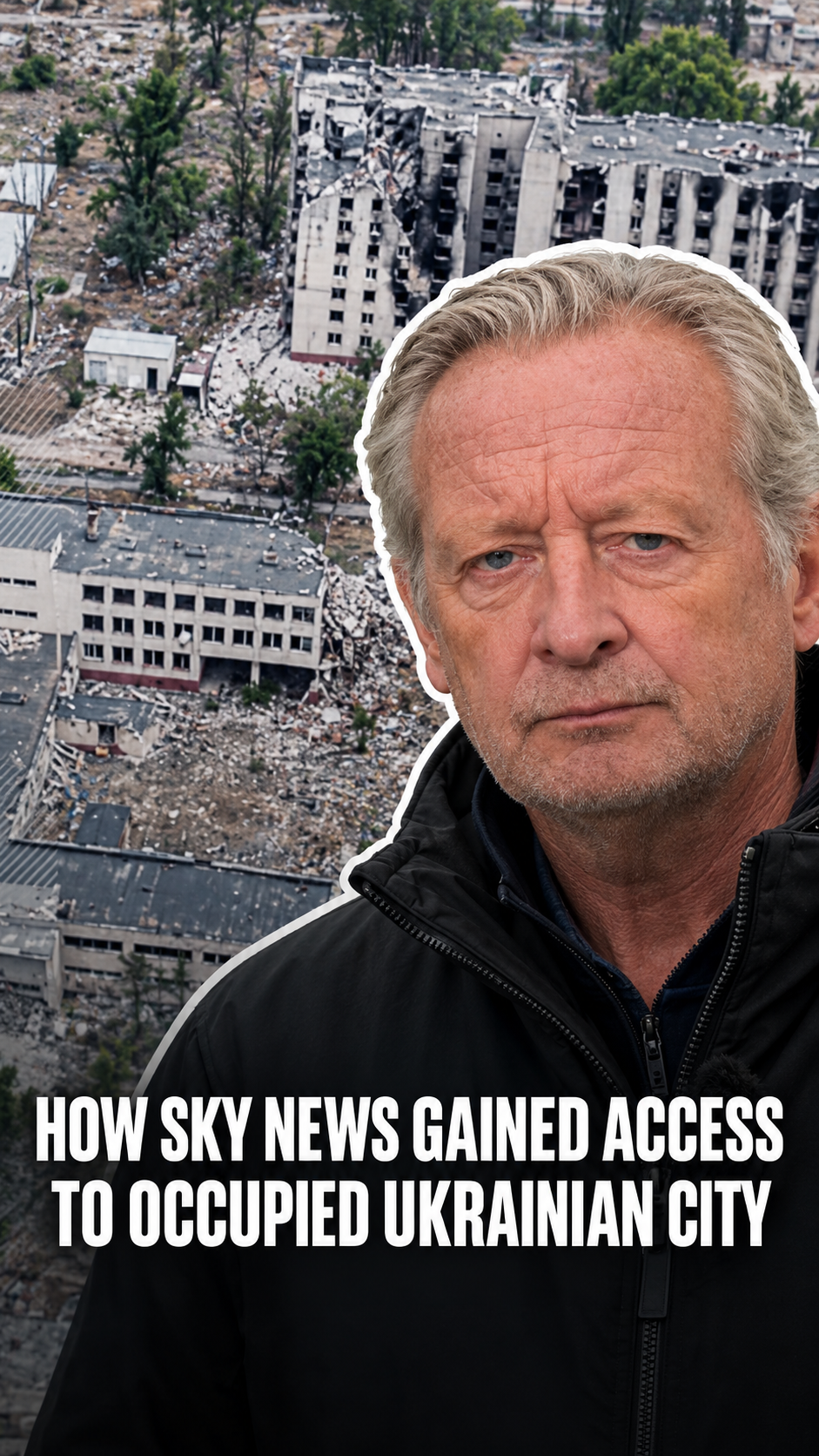
Images captured by drones offer a closer look at food shortages, damaged infrastructure, and the challenges facing medical workers in a city devastated by war.
A City Facing Widespread Destruction
The city of Laleszki has suffered extensive destruction as a result of the ongoing conflict. Accounts from the area describe residents struggling to find enough food, with some searching for nuts and berries to survive amid severe shortages.
For many residents, humanitarian airdrops represent one of the few remaining sources of assistance. These deliveries can include cardboard boxes containing approximately 20 kilograms of supplies, offering limited relief to communities facing difficult living conditions.
The situation highlights the challenges civilians face when access to essential goods becomes severely restricted by conflict and damage to local infrastructure.
Drone Images Offer a Closer Look at Conditions on the Ground
Journalists seeking to document the situation spoke with soldiers about their military operations, capabilities, and the use of drones. The discussions also provided an opportunity to examine the wider impact of the conflict on the city and its remaining population.
Drone footage helped show areas that were difficult to access directly. The images provided a broader view of the urban landscape, illustrating the extent of the damage and offering additional visual context to reports from people familiar with conditions in the area.
Such footage can help audiences better understand events that might otherwise be difficult to verify or observe firsthand. However, individual images may not reveal the full circumstances surrounding every location or incident.
Hospital Staff Continue Working With Limited Supplies
One of the locations documented in the footage was a local hospital. According to the account, more than 30 bodies were being held in the hospital morgue, while restrictions reportedly prevented them from being removed.
A small number of doctors, medical workers, and other staff members were reportedly continuing to assist the local community despite a serious shortage of medicines and other essential medical supplies.
Limited access to medication and medical resources can place additional pressure on healthcare workers, particularly when hospitals must continue providing care during an armed conflict.
Direct access to the hospital interior was not possible for the journalists involved. Drone images nevertheless offered a partial view of the facility and its surroundings.
Visual Evidence Adds Context to Reports From the City
Reports of destruction, food shortages, and pressure on medical services had already circulated through accounts from people describing conditions in the city. The drone footage added a visual dimension to those reports.
Seeing the affected areas from above allowed viewers to better understand the physical environment in which residents and medical workers were trying to survive. The images also demonstrated how aerial technology can contribute to reporting from places where conventional access is limited.
While drone footage can provide valuable documentation, responsible reporting requires careful consideration of the source, context, and limitations of the images. Independent verification remains important when assessing claims about events in a conflict zone.
The Continuing Humanitarian Challenges
The conditions described in Laleszki illustrate the broader difficulties faced by civilians in heavily damaged urban areas during armed conflict. Access to food, medical treatment, and safe living conditions can become increasingly difficult when infrastructure is damaged and movement is restricted.
Documenting these conditions can help inform the public about the humanitarian consequences of war. Continued attention to civilian needs, access to essential supplies, and the protection of medical services remains important in understanding the challenges confronting affected communities.