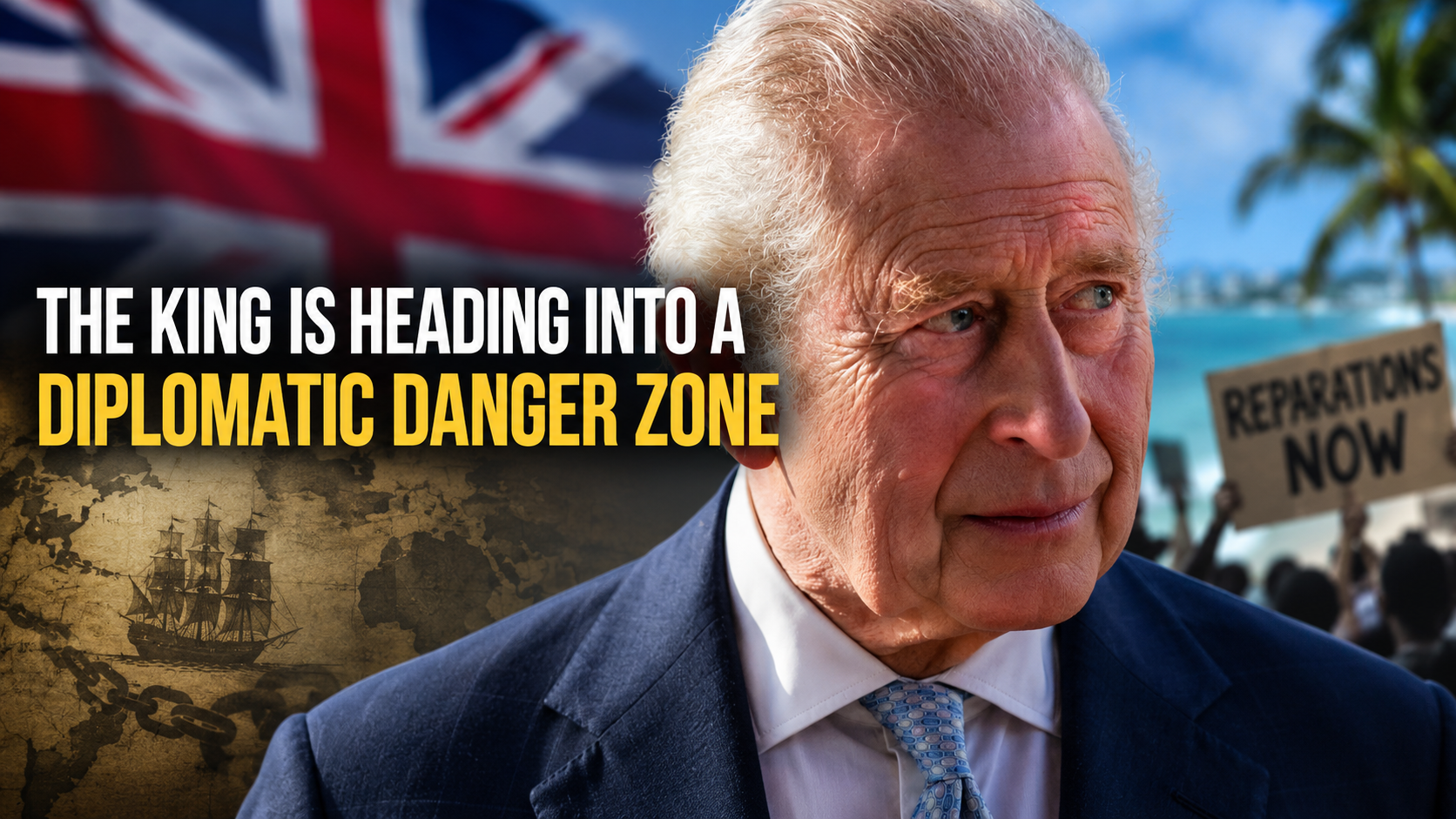
The King’s Caribbean visit comes amid increasing demands for reparations, a formal apology and greater recognition of the lasting consequences of slavery.
King Charles is beginning a diplomatic tour of the Caribbean at a time when calls for slavery reparations are gaining momentum across the region. The issue presents a sensitive challenge for the British monarch, as campaigners seek greater recognition of the historical injustices associated with slavery and colonial rule.
Caribbean campaigners are preparing to use the King’s arrival to highlight their demands, including calls for reparations, a formal apology and meaningful action to address the long-term effects of the transatlantic slave trade.
Reparations Campaigners Call for Action
In the Bahamas, campaigners have expressed hope that King Charles will use his position to help advance discussions about reparations. They argue that the monarch has an opportunity to acknowledge the suffering caused by slavery and support a more constructive dialogue about its historical consequences.
One campaigner welcomed the King’s arrival and said they hoped he would act in the interests of the people he represents. The campaigner also called for a fuller apology and progress in the reparations debate.
For campaigners, the issue goes beyond symbolic recognition. They believe that the legacy of slavery continues to affect Caribbean societies and that a meaningful response should address the lasting social and economic consequences.
British Government Maintains Its Position on Compensation
Despite the growing calls for reparations, the British government has maintained that it will not provide compensation for slavery. The government’s position, as outlined in the report, is that slavery was not illegal under the laws of the time.
The government also points to Britain’s role in abolishing the transatlantic slave trade. However, campaigners argue that the historical context does not remove the need to acknowledge the harm inflicted on enslaved people and their descendants.
The debate highlights the difference between the British government’s position and the expectations of Caribbean campaigners, who are seeking a response that goes beyond historical statements.
King Charles Has Previously Expressed Sorrow Over Slavery
King Charles has previously spoken about the suffering caused by slavery and acknowledged the painful legacy it left behind.
In an earlier statement, he expressed deep personal sorrow over the suffering of those affected and described slavery as an appalling atrocity that remains a stain on history.
These remarks have been viewed as an acknowledgment of the historical tragedy. However, campaigners continue to seek further action, including a formal apology and progress towards reparations.
Buckingham Palace’s reported position is that the King will not issue an apology for slavery during the visit, although he is not expected to avoid the subject entirely.
Guyana Campaigners Hope for a Diplomatic Breakthrough
In Guyana, reparations campaigners have expressed disappointment with the prospect of no formal apology. Nevertheless, some believe King Charles could still play a constructive role in moving the discussion forward.
One campaigner suggested that the King has the diplomatic skills to help find a way through the disagreement. The campaigner also argued that the monarch could provide moral leadership and that his words would carry considerable significance.
Although the King does not independently determine British government policy, campaigners believe his public statements could influence the wider conversation about historical responsibility and reconciliation.
Previous Royal Visits Have Faced Criticism
The King will also need to consider the reception given to previous royal visits to the Caribbean. In 2022, Prince William and Catherine, Princess of Wales, faced criticism and protests during their tour of the region.
The demonstrations reflected wider concerns about the legacy of colonialism, the role of the monarchy in that history and the future relationship between Britain and Caribbean nations.
The experience demonstrated that royal visits can become a focal point for political and historical debates, particularly when local campaigners believe their concerns have not been adequately addressed.
Caribbean Leaders Say Momentum for Change Is Growing
Caribbean leaders and campaigners say support for reparations is increasing, describing the movement as a major political force in the 21st century.
The campaign brings together demands for historical recognition, discussions about compensation and calls for a broader examination of the effects of slavery and colonial rule. Supporters argue that these issues remain relevant to the region’s present-day challenges.
However, reaching an agreement is likely to remain difficult, given the differences between campaigners’ expectations and the British government’s stated position.
A Delicate Diplomatic Challenge for King Charles
King Charles’s Caribbean tour places the monarchy at the centre of a continuing debate about Britain’s colonial past and its relationship with the region today.
While the King has previously acknowledged the suffering caused by slavery, campaigners are looking for further progress. His response during the visit could influence public discussion, even though decisions on compensation and official government policy remain outside his sole authority.
As the tour continues, the central question will be whether historical acknowledgment can lead to meaningful dialogue between Britain and Caribbean nations, or whether disagreements over reparations will deepen existing tensions.