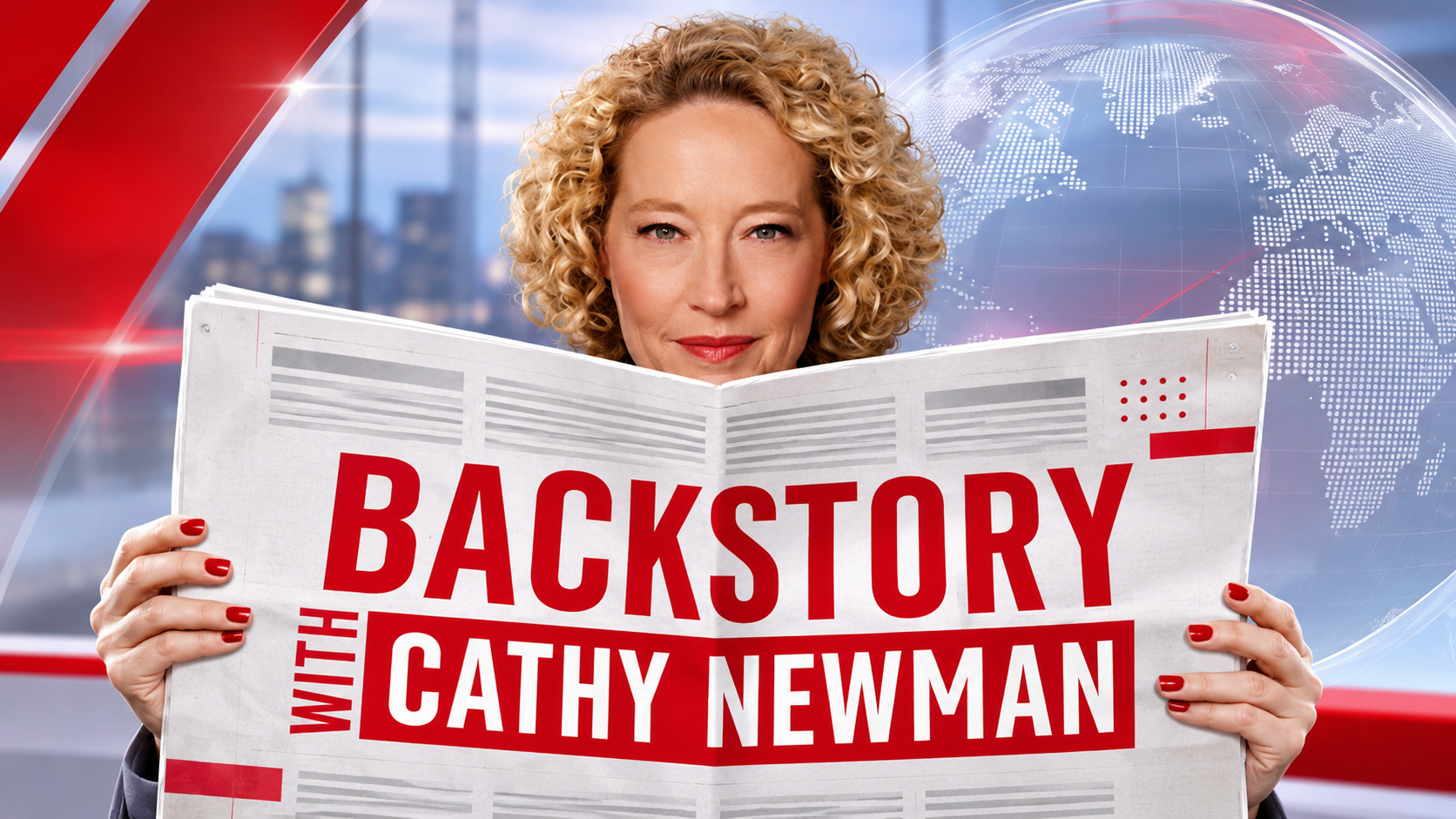
Micro-dramas are gaining attention on TikTok, but concerns are growing about whether short-form entertainment can provide the same emotional and intellectual benefits as traditional storytelling.
The growing popularity of micro-dramas on TikTok has sparked a broader discussion about how younger generations engage with stories and whether shorter entertainment formats can offer the same depth as books, films, and television dramas.
During a discussion about changing entertainment habits, one commentator expressed reservations about the idea that younger audiences should be offered increasingly simplified forms of storytelling.
The speaker described this approach as patronising, arguing that it underestimates what younger generations are capable of understanding and appreciating.
Concerns About the Rise of Micro-Dramas
Micro-dramas have become increasingly visible on social media platforms, particularly TikTok, where short episodes and quickly delivered storylines are designed to capture viewers’ attention.
Although these formats may introduce younger audiences to dramatic storytelling, the commentator questioned whether they should become a substitute for longer and more developed narratives.
The discussion highlighted an important distinction between making storytelling accessible and assuming that audiences cannot handle more complex material.
Rather than dismissing short-form entertainment entirely, the speaker acknowledged that anything encouraging younger people to engage with storytelling as a form of drama could have some positive value.
However, the concern remains that entertainment should not be reduced to increasingly shorter formats at the expense of meaningful narrative experiences.
Why Long-Form Storytelling Matters
The commentator emphasized the emotional, cognitive, and even spiritual benefits associated with long-form storytelling.
Reading a book, watching a film, or following a television drama allows audiences to spend more time with characters, situations, and complicated ideas.
These experiences can encourage viewers and readers to understand different perspectives, recognize emotional complexity, and reflect on situations that may not have simple answers.
The speaker also pointed to the neurological dimensions of storytelling, suggesting that engaging with longer narratives activates different areas of the brain.
According to the argument presented, these experiences can contribute to emotional resilience, empathy, curiosity, and the ability to appreciate nuance.
The Importance of Developing Critical Thinking and Empathy
One of the central arguments in the discussion was that long-form storytelling helps people develop the ability to hold competing ideas in their minds.
This skill is particularly important in a world where public conversations and political debates are often dominated by quick reactions and simplified opinions.
Stories that explore complicated characters and situations can encourage audiences to consider different viewpoints rather than immediately accepting one interpretation.
The ability to understand uncertainty, recognize conflicting perspectives, and approach difficult subjects with curiosity is increasingly valuable in modern society.
The commentator argued that these qualities are essential if society is to navigate the challenges of the current political and cultural environment.
Balancing Short-Form Entertainment With Deeper Narratives
The popularity of micro-dramas does not necessarily mean that traditional storytelling is disappearing.
Short-form content can serve as an introduction to dramatic narratives and may encourage audiences to explore more substantial stories.
However, the challenge is ensuring that younger viewers continue to have opportunities to experience books, films, and television dramas that demand greater attention and emotional engagement.
The broader debate is therefore not simply about whether TikTok entertainment is good or bad. It is about maintaining a balance between modern digital formats and storytelling experiences that encourage deeper thinking.
Conclusion
As micro-dramas continue to attract attention on social media, the discussion highlights the importance of preserving long-form storytelling as part of modern entertainment culture.
Books, films, and television dramas offer opportunities to develop empathy, curiosity, emotional understanding, and critical thinking.
Ultimately, younger audiences should not be underestimated. Giving them access to diverse storytelling formats, including complex and challenging narratives, may be more valuable than assuming they can only engage with short and simplified content.