“`html
Campaigners in Antigua have cautiously welcomed the British Prime Minister’s willingness to discuss a formal apology for slavery, although questions remain over reparations, compensation and the King’s potential role.
Antigua Campaigners Welcome Possible UK Slavery Apology
The debate over Britain’s historical responsibility for slavery has gained renewed attention after the British Prime Minister expressed openness to discussions about a formal apology.
The comments have been met with cautious optimism by members of the Antiguan Reparations Commission, who have spent years calling for recognition of the lasting consequences of slavery across the Caribbean.
At the commission’s headquarters in Antigua, campaigners described the Prime Minister’s willingness to engage in dialogue as an encouraging development.
One representative welcomed the possibility of an apology, describing it as something campaigners had been requesting for a long time.
However, campaigners stressed that an apology would represent only the beginning of a much broader process.
Why Campaigners Say an Apology Is Only the First Step
For reparations advocates, a formal apology would carry significance beyond the words themselves. They believe it would represent an acknowledgment of responsibility for the historical harm caused by slavery.
Campaigners argue that accepting responsibility should also involve a commitment to addressing the damage and its continuing effects.
They emphasize that an apology could create an opportunity for meaningful discussions about reparations and the measures needed to address historical injustices.
Although the Prime Minister has indicated that financial reparations are not part of his current position, campaigners say they remain committed to pursuing negotiations.
They maintain that the discussion should continue, even when the British government’s position on compensation remains difficult.
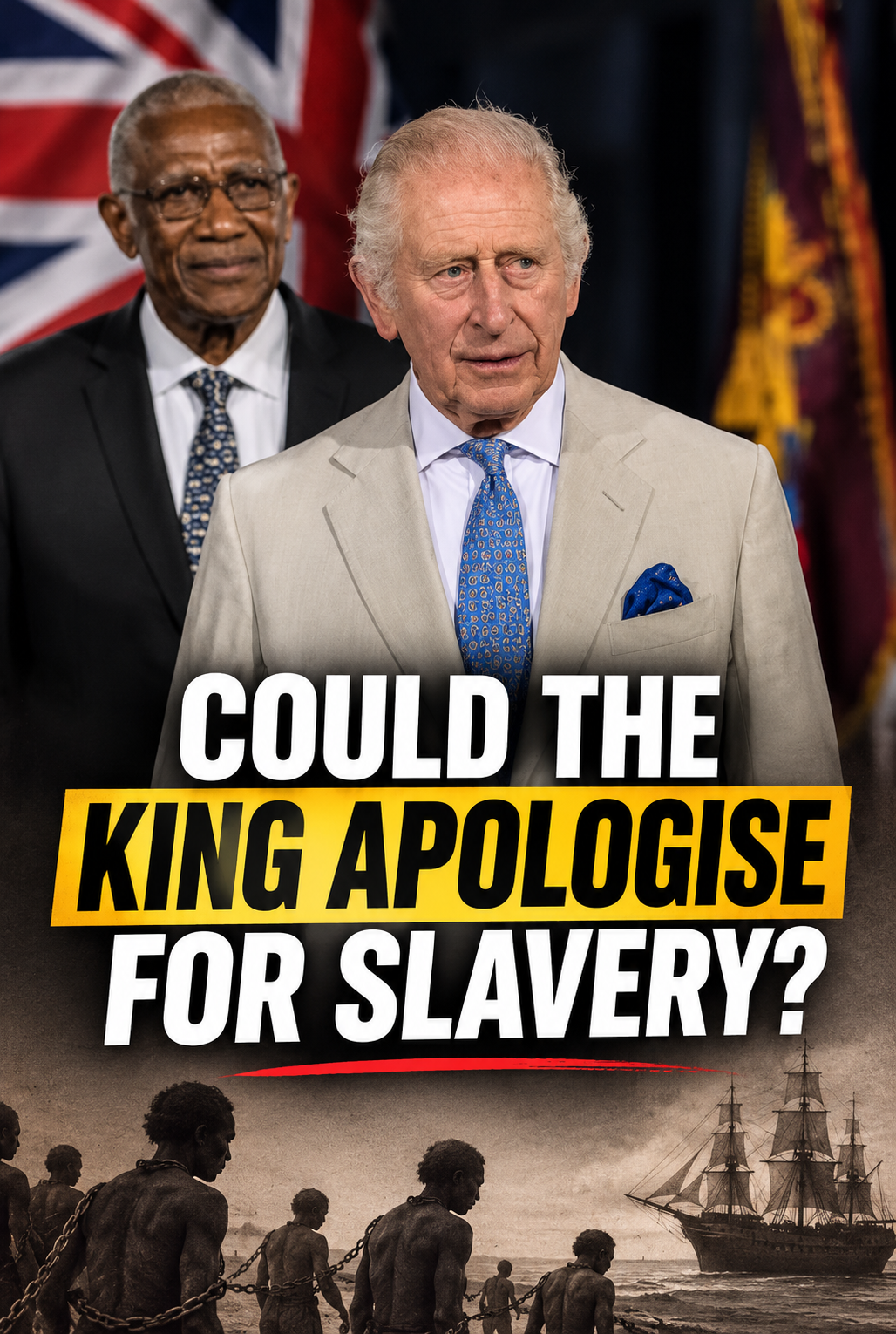
Could the King Play a Role in a Formal Apology?
While the Prime Minister’s comments have attracted attention, some campaigners believe the King is the figure they would ultimately like to hear acknowledge Britain’s historical involvement in slavery.
The issue presents a delicate diplomatic challenge for the monarch, particularly as he arrives in Antigua for the Commonwealth Heads of Government Meeting.
As head of the Commonwealth, the King is expected to address the organisation’s shared history and the concerns surrounding reparations.
The Palace has indicated that his upcoming speech will reflect honesty, sincere sorrow and respect for the wider discussions taking place around reparations.
However, the King is not expected to outline the UK government’s policy position on reparations during the visit, as that responsibility belongs to the elected government.
Bahamas Prime Minister Says Reparations Involve More Than Money
The discussion surrounding reparations is not limited to Antigua. Leaders across the Caribbean have also highlighted the complexity of addressing the consequences of slavery.
In an interview with Sky News, the Prime Minister of the Bahamas explained that reparations should not be understood solely in financial terms.
He pointed to acknowledgment, education and training as important parts of the broader conversation.
He also recognised that direct financial compensation could present significant challenges for governments.
His comments reflect a wider debate about what meaningful reparations could involve and how countries might approach the issue in practical terms.
What Happens Next in the UK Reparations Debate?
The Prime Minister’s willingness to discuss a formal apology represents a development in a conversation that has continued for many years.
Nevertheless, significant questions remain unanswered. These include whether a formal apology will eventually be made, what form any acknowledgment might take and whether discussions about reparations could lead to practical agreements.
For campaigners in Antigua, the immediate priority is to keep negotiations moving forward.
Although a formal apology would not resolve the wider issue, they see it as an important opportunity to establish recognition and open the door to further discussions.
For now, attention is focused on the King’s upcoming Commonwealth speech and the possibility that conversations about Britain’s historical responsibility could progress further in the years ahead.