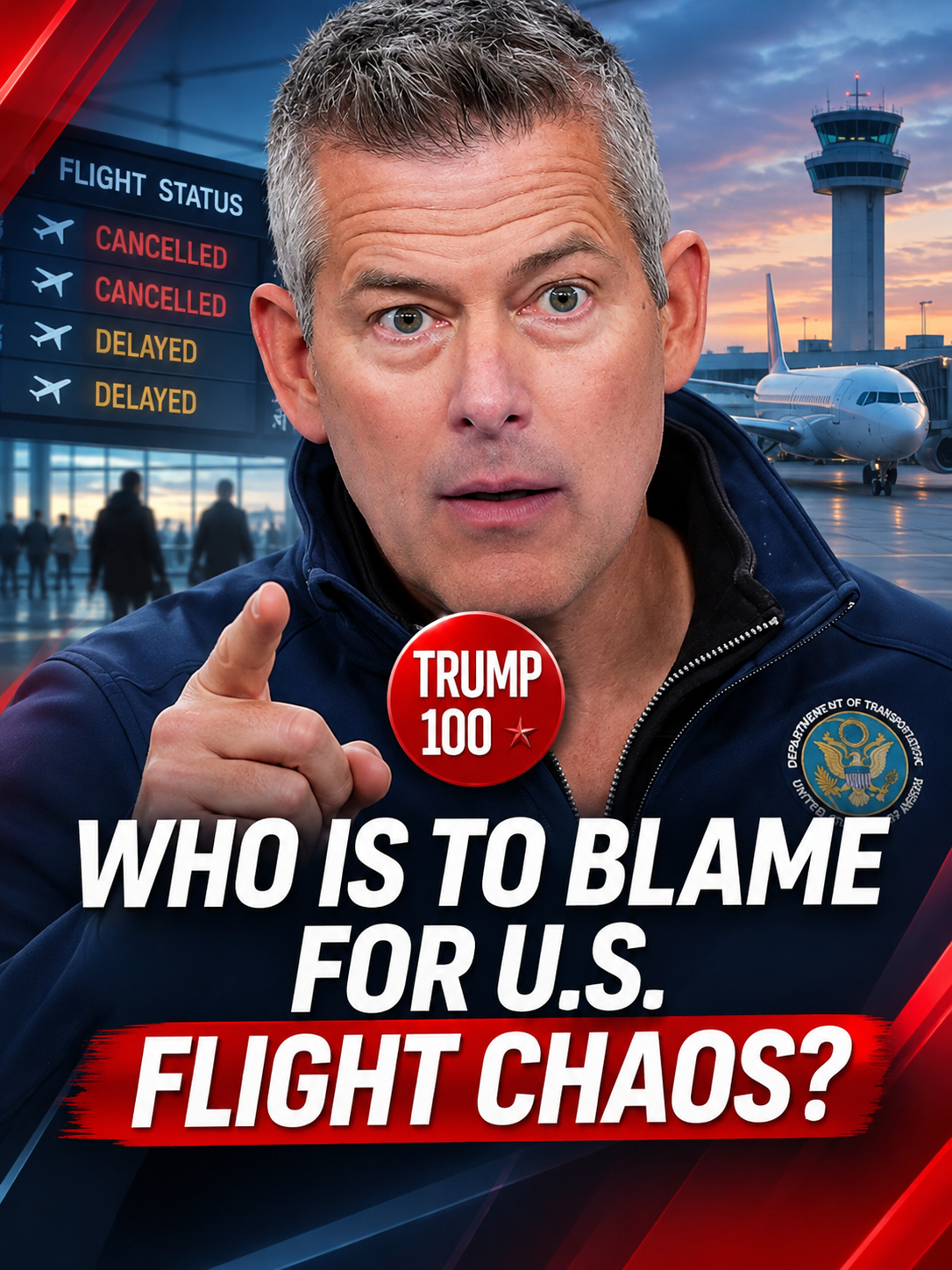
A major disruption to the United States aviation system has raised questions about crisis management, government communication, and the country’s ability to respond to large-scale transportation emergencies.
The incident, which occurred on Friday, resulted in thousands of delayed or cancelled flights and prompted widespread criticism of the government’s handling of the situation. The disruption also came just 24 hours after a significant Microsoft Outlook outage, leading to speculation about whether the two incidents were connected.
Rare Nationwide Ground Stops Create Widespread Disruption
Friday’s aviation disruption was particularly significant because nationwide ground stops are relatively uncommon in the United States. According to commentary during a subsequent discussion, only three such nationwide ground stops had occurred over the previous 25 years.
The disruption affected thousands of passengers, with airlines experiencing extensive delays and cancellations. Airports and aviation operations faced considerable pressure as authorities worked to manage the situation and restore normal services.
The scale of the disruption quickly turned the incident into a major public discussion about the reliability of critical infrastructure and the coordination required during national emergencies.
Microsoft Outlook Outage Raises Additional Questions
The aviation disruption occurred approximately one day after a major Microsoft Outlook outage affected users. The timing prompted questions about whether there could have been a connection between the technology failure and the aviation problems.
However, the timing alone does not establish a direct relationship between the two incidents. Without confirmed technical evidence, any suggestion that the Outlook outage contributed to the aviation disruption remains speculative.
The situation nevertheless highlighted how disruptions involving technology and essential services can generate wider concerns about operational resilience and preparedness.
Press Conference Draws Attention to Government Communication
Following the disruption, government officials held a press conference to address questions about what had happened. However, the briefing reportedly left several important questions unanswered.
Commentators criticized the communication strategy, suggesting that officials appeared more focused on explaining responsibility than providing clear information about the causes of the disruption and the measures being taken to prevent similar incidents.
One particularly notable moment occurred when Transportation Secretary Sean Duffy and Senator Markwayne Mullin appeared during the briefing. A brief interaction between the two officials attracted considerable attention online, with viewers interpreting the moment as an indication of tension during the press conference.
The exchange subsequently became a subject of social media discussion, with numerous users creating memes about the incident.
Political Blame Becomes Part of the Discussion
Another major criticism concerned the apparent distribution of responsibility among different political figures and institutions.
During the briefing, explanations reportedly included criticism of Congress over funding issues, questions directed at journalists, and references to the previous administration.
Officials also raised the record of former Transportation Secretary Pete Buttigieg, who served under President Joe Biden. His previous administration’s transportation policies were brought into the broader discussion surrounding the disruption.
However, assigning political responsibility does not necessarily explain the technical or operational factors behind a nationwide aviation disruption. Establishing the actual causes requires clear evidence, detailed investigations, and transparent reporting.
Leadership and Crisis Management Under Scrutiny
The incident has renewed debate about leadership and crisis management within the Trump administration. Critics argued that the public briefing failed to deliver the level of clarity and coordination expected during a major national disruption.
Effective crisis communication requires more than public statements. It involves providing accurate information, acknowledging uncertainties, explaining the response strategy, and ensuring that different government agencies communicate consistently.
When thousands of passengers are affected, the public expects straightforward answers about what happened, why it happened, and what steps are being taken to restore confidence in the system.
What the Incident Means for US Transportation Infrastructure
Beyond the political controversy, the disruption highlights the importance of maintaining reliable transportation infrastructure and effective emergency response systems.
Modern aviation depends on complex coordination between airlines, airports, air traffic management, technology providers, and government agencies. A serious disruption can quickly affect operations across multiple regions.
For this reason, transparency, technical preparedness, and cooperation between institutions remain essential elements of aviation safety and operational resilience.
Conclusion
The nationwide flight disruption on Friday was more than an inconvenience for passengers. It became a broader test of government communication, institutional coordination, and leadership during a major operational crisis.
Although questions remain about the precise causes of the disruption and its possible relationship with the earlier Microsoft Outlook outage, the episode has demonstrated the importance of clear public communication and evidence-based explanations.
Ultimately, restoring public confidence will require more than political statements. It will depend on transparent investigations, effective coordination, and practical measures to reduce the risk of similar disruptions in the future.