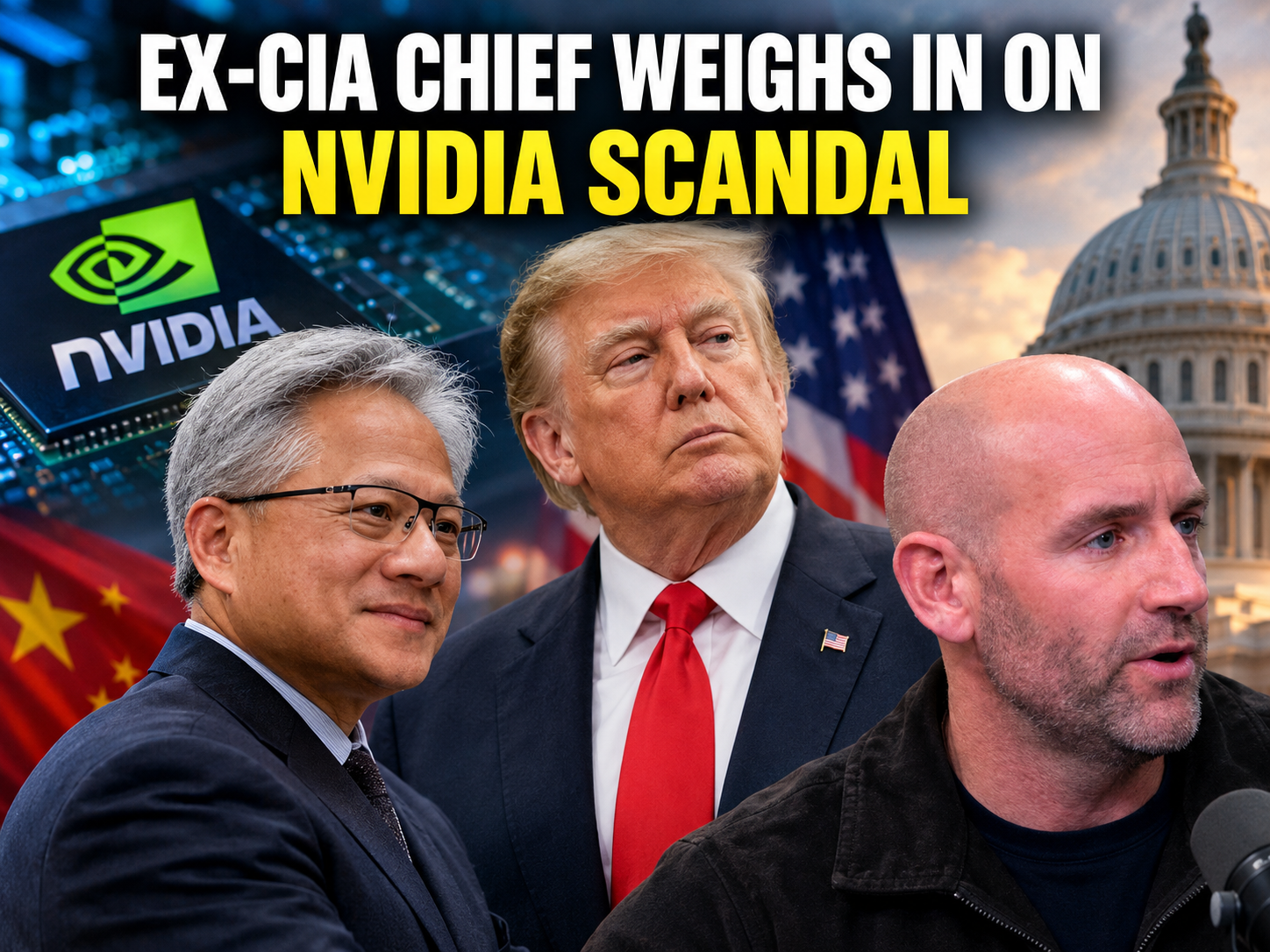
Growing competition between the United States and China in artificial intelligence (AI) and semiconductor technology is drawing renewed attention to national security concerns following allegations of potential espionage involving access to advanced computer chips and sensitive industry information.
Experts say the case highlights the strategic importance of artificial intelligence, particularly as advanced semiconductors become increasingly essential to military capabilities, economic development, and international influence.
China’s Technology Strategy Under Xi Jinping
Under Chinese President Xi Jinping, science and technology have become increasingly important priorities for the Chinese Communist Party. Developing leadership in emerging industries, particularly artificial intelligence, is widely viewed as a major component of China’s long-term national strategy.
Artificial intelligence depends heavily on advanced semiconductor technology, including powerful computer chips used to train sophisticated AI systems and operate complex applications.
These technologies have implications far beyond the commercial sector. They can support military modernization, strengthen industrial productivity, and improve a country’s ability to compete economically and politically on the global stage.
For this reason, access to advanced semiconductor technology has become a significant strategic concern for governments around the world.
Allegations Raise Questions About Access to Sensitive Information
The allegations involving Alice Wang have raised questions about whether individuals with access to influential business and political circles could potentially become channels for obtaining sensitive technological information.
According to the discussion surrounding the case, Wang was associated with a company involved in acquiring semiconductors. Questions have emerged about whether some of those acquisitions may have been conducted covertly on behalf of Chinese interests.
However, the precise extent of any alleged intelligence activity remains unclear. Authorities have not established publicly all the details of the case, including whether confidential information was obtained or shared.
One particularly important question concerns the potential access Wang may have had to senior figures in the American technology industry, including NVIDIA’s chief executive, and whether discussions involved sensitive information about US technological capabilities or strategic intentions.
Questions About Political Access in Washington
The case has also attracted attention because of questions surrounding Wang’s reported access to the White House and the administration of former President Donald Trump.
Such access has raised concerns about whether individuals connected to foreign commercial or intelligence interests could gain insight into sensitive government discussions and policymaking decisions.
There are also questions about whether different political and institutional groups in Washington have differing perspectives on how the allegations should be investigated and communicated publicly.
The US Department of Justice has reportedly been cautious about characterizing Wang as a spy. This distinction is important because allegations of espionage require evidence and formal legal findings rather than assumptions based on professional relationships or political connections.
Why Semiconductor Technology Matters to Military Security
The concerns surrounding advanced chips extend beyond competition between technology companies. Semiconductors play an increasingly important role in modern military systems, including artificial intelligence applications, surveillance technologies, communications networks, and advanced weapons systems.
Military applications of AI could influence intelligence gathering, battlefield decision-making, autonomous systems, and the management of complex military operations.
Consequently, access to advanced computing technology is increasingly viewed as a matter of national security rather than simply a commercial advantage.
Security analysts have warned that technological advantages could become particularly important in a potential military confrontation involving China and Taiwan.
Scenarios involving a possible conflict over Taiwan or restrictions on access to the Taiwan Strait are among the situations examined by military planners. Such developments could have serious consequences for regional stability and international security.
US-China Technology Rivalry Continues to Grow
The broader issue reflects the increasingly competitive relationship between Washington and Beijing in strategic technology industries.
Both countries recognize that leadership in artificial intelligence and semiconductor manufacturing could shape future economic opportunities, military capabilities, and global political influence.
The United States has introduced various measures aimed at protecting sensitive technologies and limiting access to certain advanced semiconductors. China, meanwhile, continues to pursue greater technological independence and stronger domestic capabilities.
As this competition intensifies, governments are likely to place greater emphasis on supply chain security, technology protection, export controls, and the monitoring of potential foreign intelligence activities.
Important Questions Remain Unanswered
Despite the seriousness of the allegations, several important questions remain unresolved. These include the extent of any potential access to confidential information, whether sensitive discussions were compromised, and whether any alleged activities were coordinated with foreign intelligence organizations.
Investigators and policymakers will need to establish the facts before reaching definitive conclusions about the national security implications of the case.
For now, the controversy illustrates how artificial intelligence and semiconductor technology have become central elements of international competition, with consequences that extend from corporate boardrooms to government institutions and military planning.
Conclusion
The allegations surrounding potential semiconductor-related espionage underscore the growing importance of protecting advanced technology in an increasingly competitive global environment.
As the United States and China continue competing for leadership in artificial intelligence, safeguarding sensitive information and maintaining secure technology supply chains will remain major challenges for both governments.