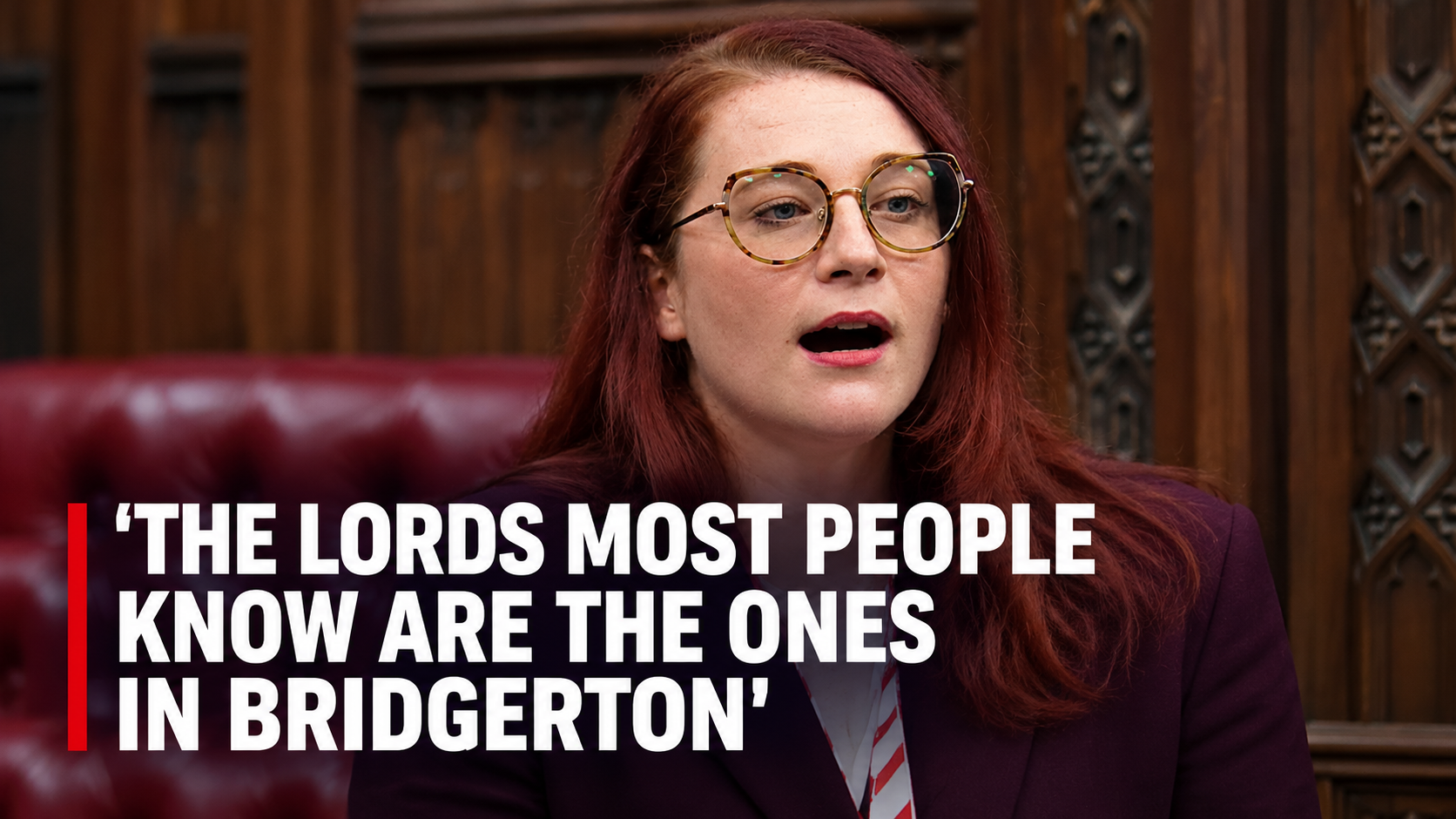
A parliamentary debate highlights public representation, institutional trust, and calls for reform in the United Kingdom.
House of Lords Reform Bill Reaches the Next Stage
A bill aimed at reforming the UK’s House of Lords has progressed to its
second stage, following a parliamentary debate that appeared to reflect
a more constructive atmosphere than earlier discussions.
The debate focused on the future of the second chamber, the importance
of democratic representation, and the relationship between public
institutions and the people they serve.
During the proceedings, members considered whether the bill should be
committed to a committee of the whole House. The formal parliamentary
exchange concluded with the motion being carried.
A More Constructive Tone in Parliament
The discussion marked a contrast with the bill’s earlier introduction
in June, when strong objections were reportedly voiced during a
procedural stage of the parliamentary process.
This time, the debate was described by the bill’s supporter as largely
positive, with many members who spoke expressing support for reforming
the House of Lords and reconsidering the role of the UK’s second
parliamentary chamber.
The change in tone was viewed as an encouraging development by the
supporter, who said that the discussion represented progress compared
with the atmosphere encountered after taking a seat in Parliament two
years earlier.
Why Democratic Representation Matters
A central argument in favour of reform is that public institutions
are stronger when people feel they have a meaningful role in shaping
them.
Supporters of a more democratic chamber argue that citizens should
feel that Parliament represents their interests and that they have
opportunities to influence the decisions made on their behalf.
These decisions can affect everyday life, including the cost of
living, the laws people must follow, and the policies that shape
communities across the country.
Improving public confidence and ensuring that people feel represented
are therefore important considerations in discussions about the
future structure of Parliament.
Understanding the Role of the House of Lords
The House of Lords is the unelected upper chamber of the UK Parliament.
It examines legislation, debates public policy, and scrutinises
proposals considered by Parliament.
Questions about its composition and democratic legitimacy have long
formed part of wider discussions about constitutional reform in the
United Kingdom.
Advocates of change believe that reform could help strengthen the
connection between parliamentary institutions and the public.
However, proposals for reform can raise broader questions about
parliamentary scrutiny, expertise, accountability, and the balance
between the two chambers.
What Happens Next for the Reform Bill?
Progress to a second stage allows a bill to continue through the
parliamentary process, but it does not mean that the legislation
has become law.
Further consideration and scrutiny may be required as the bill
proceeds. Its eventual outcome will depend on the remaining
parliamentary stages and the decisions made during that process.
The latest debate nevertheless provides an opportunity to examine
the principles behind reform, particularly the role of democratic
representation and public confidence in the UK’s political
institutions.
Conclusion
The debate over House of Lords reform reflects a wider question about
how democratic institutions can remain accountable, representative,
and trusted by the people they serve.
While the bill’s progress represents another step in the legislative
process, the discussion surrounding it highlights the continuing
importance of parliamentary accountability and public participation
in shaping the UK’s political future.