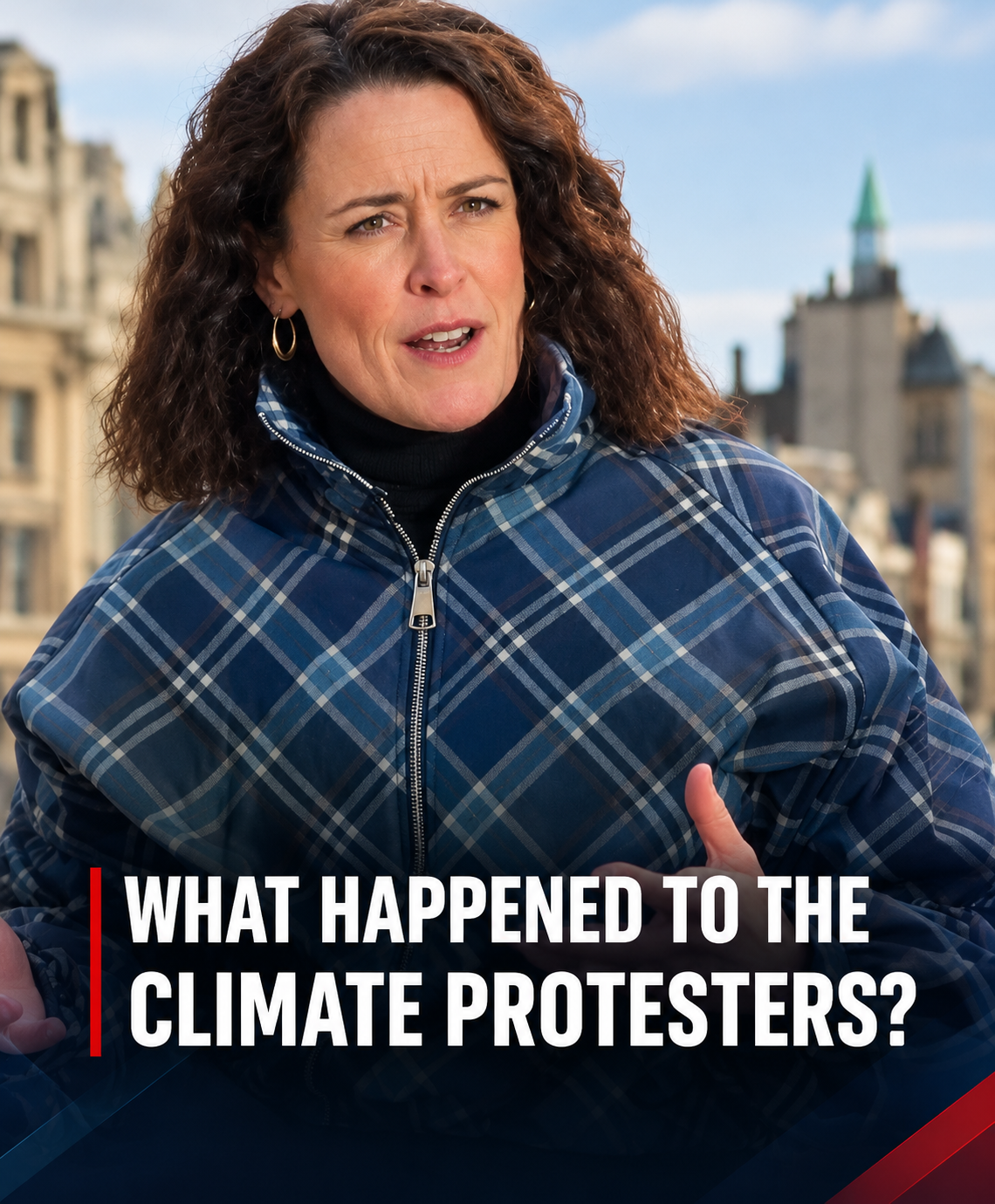
Climate activism once dominated headlines across the United Kingdom,
with large demonstrations, road blockades, and high-profile campaigns.
However, the visibility of these protests has declined in recent years,
raising questions about the future of the environmental movement.
From Major Demonstrations to Fewer Headlines
Just a few years ago, organizations such as Extinction Rebellion
attracted widespread public attention through demonstrations in
central London and other locations. Activists occupied prominent
public spaces, blocked roads, and organized disruptive protests to
demand stronger action on climate change.
Some demonstrations also involved high-profile acts of civil
disobedience, including throwing soup at protected artworks and
interrupting sporting events. These actions generated extensive
media coverage and sparked debate about the effectiveness and
consequences of disruptive environmental campaigning.
Thousands of people were arrested during climate-related protests
over the period described in the original report. For a time,
climate activism became a major subject of public discussion
throughout the country.
Climate Concerns Continue Despite Reduced Media Attention
The apparent decline in protest coverage has occurred alongside
continuing concerns about climate change and energy policy.
Record-breaking summer temperatures and decisions involving
fossil fuel development have kept questions about the UK’s
environmental commitments in the spotlight.
One issue highlighted in the report is the approval of the Jackdaw
gas field in the North Sea. The decision has renewed debate about
the relationship between energy security, domestic gas production,
and long-term climate objectives.
The reduced visibility of demonstrations does not necessarily mean
that public concern about climate change has disappeared. Instead,
it raises a broader question: why have some of the protest
movements that once attracted substantial attention become less
prominent in the news?
Why Some Climate Activists Have Stepped Away
A report by Sky News revisited activists who were involved in
climate demonstrations in 2019. Their experiences provide insight
into how participation in a movement can change over time.
Among them was Daisy Wyatt, who was 19 when she became involved
in climate activism. At the time, she described finding a sense
of belonging among people who shared her concerns about the
environment and the future of the planet.
Several years later, Wyatt had left London and returned to her
hometown of Shrewsbury. Her life had become quieter, and her
perspective on activism had changed.
She explained that the scale of the problems had become difficult
to manage emotionally and that she struggled to see how her
individual efforts could produce meaningful change.
Her experience illustrates a challenge that can affect people
involved in major social movements: maintaining motivation when
the problems appear enormous and progress is difficult to measure.
Public Backlash and Legal Challenges
The changing profile of climate activism cannot be explained by
a single factor. Public reactions to disruptive demonstrations,
legal consequences, and changes in campaign priorities may all
influence how activists organize and participate.
Road blockades and other forms of civil disobedience can attract
attention to environmental concerns, but they can also generate
criticism from people affected by travel delays and public
disruption. Such reactions can create difficult choices for
campaigners deciding how to communicate their message.
Legal action against protesters has also become part of the wider
debate about the limits of protest, public order, and the right
to demonstrate. The consequences of participation may affect
whether individuals remain active or choose different approaches.
How Climate Activism May Be Changing
Another development identified in the report is a shift in some
activists’ attention toward other political and humanitarian
issues, including Palestine. This reflects how individuals and
campaign groups may respond to multiple concerns competing for
public attention.
A reduction in headline-grabbing demonstrations should not
automatically be interpreted as the end of climate activism.
Campaigning can take many forms, including community organizing,
public education, political advocacy, legal challenges, and
efforts to influence energy policy.
The key issue is whether climate groups can maintain public
engagement and translate environmental concerns into sustained
action, even when large demonstrations are no longer dominating
the news cycle.
What Does This Mean for the Future of the Movement?
The experiences of former activists highlight the personal and
practical difficulties associated with long-term campaigning.
Disillusionment, public criticism, legal pressure, and competing
priorities can all affect participation.
At the same time, climate change and decisions about energy
production remain important subjects of public policy debate.
The future of the movement may depend on its ability to adapt
its strategies, build wider support, and demonstrate how
collective action can contribute to meaningful change.
Whether climate protests return to the scale seen in previous
years remains uncertain. What is clear is that the relationship
between environmental concerns, public opinion, and protest
tactics continues to evolve.
Frequently Asked Questions
What happened to Extinction Rebellion?
Extinction Rebellion became widely known for disruptive climate
demonstrations in the UK. The reduced visibility of its protests
in news coverage does not, by itself, establish that the
organization or the wider climate movement has disappeared.
Why have climate protests become less prominent in the news?
Possible explanations include changes in campaign strategies,
public backlash against disruptive tactics, legal challenges,
and activists shifting their attention to other issues. The
relative importance of each factor may vary between groups
and individuals.
Who is Daisy Wyatt?
Daisy Wyatt is an activist featured in a Sky News report
revisiting people involved in climate protests in 2019.
She described moving away from London and becoming disillusioned
with the difficulty of achieving meaningful change.
Does reduced protest coverage mean climate change is no longer
a concern?
No. The amount of media attention given to demonstrations is
not a reliable measure of public concern about climate change.
Environmental advocacy can continue through many activities
beyond street protests.