The growing demand for weight loss treatments has created new opportunities for online sellers, but health experts are warning consumers about the dangers of purchasing unlicensed medicines from unofficial sources. One substance attracting significant attention is retatrutide, an experimental drug currently being developed for potential weight management applications.
Although the drug has generated considerable interest on social media, it has not been approved for general medical use. Authorities are increasingly concerned that counterfeit and illegally marketed products could expose consumers to serious health risks.
Woman Hospitalised After Using an Online Weight Loss Product
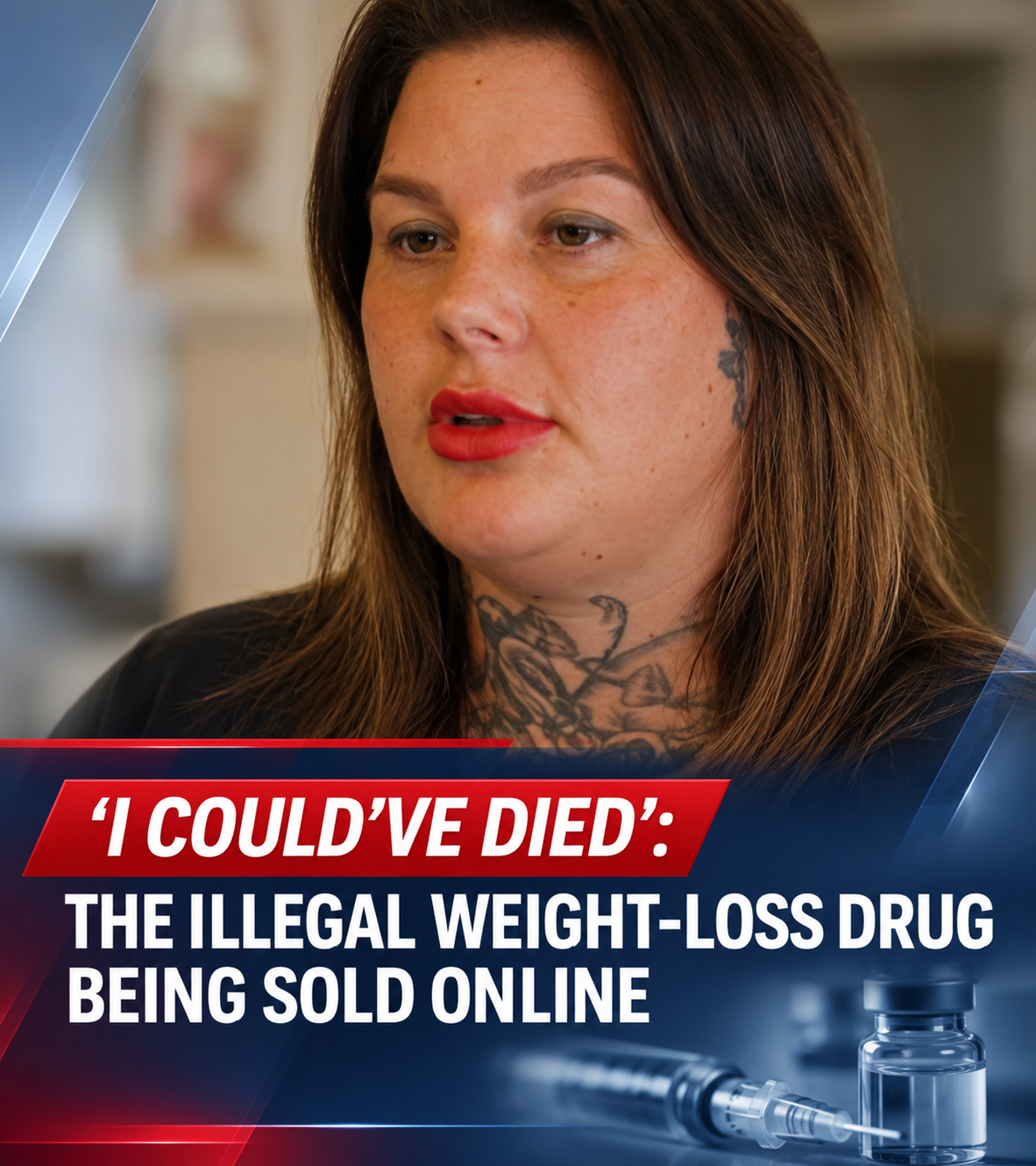
Faye Firth, a beautician from Yorkshire, experienced a severe allergic reaction after purchasing a product advertised online as retatrutide.
She described a frightening experience in which her throat began to close, making it increasingly difficult for her to breathe. Recognising the seriousness of her condition, she called for an ambulance and subsequently required hospital treatment.
Firth recalled believing that she was facing a life-threatening situation. Her experience highlights the potential consequences of using medicines obtained from unverified sellers without appropriate medical supervision.
Her case also raises broader questions about the safety of products marketed through social media platforms and unofficial online marketplaces.
Authorities Warn About Counterfeit Medicines
The UK’s Medicines and Healthcare products Regulatory Agency (MHRA) has been working to tackle the distribution of counterfeit and illegally supplied medicines.
Investigators have seized large quantities of suspected counterfeit medical products, highlighting the scale of the problem. According to the regulator, criminal networks are attempting to exploit growing consumer demand for weight loss treatments by selling products that may be illegal, incorrectly labelled or potentially dangerous.
Consumers purchasing medicines from unofficial sources may have no reliable way of confirming their ingredients, manufacturing standards or safety.
Products that appear similar to legitimate pharmaceutical treatments may contain unknown substances, incorrect concentrations or potentially harmful ingredients.
Experts Highlight the Risks of Unverified Products
Health professionals have warned that consumers cannot reliably determine what is contained in medicines sold through unauthorised online channels.
Products manufactured outside regulated pharmaceutical systems may not undergo the quality controls, safety assessments and manufacturing inspections required of legitimate medicines.
This creates significant risks for people who purchase injectable weight loss products without consulting qualified healthcare professionals.
Experts emphasise that a product’s online popularity, promotional claims or customer testimonials should never be treated as evidence of its safety or effectiveness.
Social Media Promotes Demand for Experimental Treatments
Social media platforms have become an important channel for discussions about weight management and emerging pharmaceutical treatments.
However, the popularity of experimental drugs has also created opportunities for unauthorised sellers to advertise products directly to potential customers.
Dr Emily Pegg, who works for the US-based pharmaceutical company developing retatrutide, has expressed concerns about the promotion of medicines by sellers who are not registered manufacturers.
She highlighted the importance of social media companies remaining vigilant and identifying accounts that claim to sell medicines for human use without the appropriate authorisation.
Following reports about accounts promoting products advertised as retatrutide, TikTok was contacted and removed the accounts identified during the investigation.
Meta, the company responsible for Facebook, Instagram and WhatsApp, was also approached. The company stated that it takes action to remove unlawful content from its platforms.
Growing Demand Creates Opportunities for Illegal Sellers
The increasing interest in weight loss injections reflects a broader demand for treatments that promise significant changes in body weight.
While legitimate medical developments may offer new options for managing obesity and related health conditions, the popularity of these treatments has also attracted sellers seeking to profit from consumer interest.
Some online advertisements make products appear accessible and straightforward to purchase, potentially encouraging consumers to overlook important medical and regulatory considerations.
For individuals seeking weight management treatments, the distinction between legitimate pharmaceutical products and unverified alternatives is particularly important.
How Consumers Can Protect Their Health
Healthcare experts recommend taking precautions before considering any injectable weight loss treatment.
- Consult a qualified healthcare professional before using prescription or experimental medicines.
- Avoid purchasing injectable treatments from unverified social media accounts or unofficial websites.
- Check whether a medicine has received the necessary regulatory authorisation in your country.
- Be cautious of sellers making unrealistic claims about rapid weight loss or guaranteed results.
- Seek immediate emergency medical assistance if you experience difficulty breathing, throat swelling or other signs of a severe allergic reaction.
Conclusion
The case involving Faye Firth demonstrates the potential dangers associated with purchasing unverified weight loss products online.
As interest in experimental treatments such as retatrutide continues to grow, regulators and healthcare professionals face the challenge of protecting consumers from counterfeit medicines and misleading advertisements.
Although social media can provide access to health information, consumers should not rely on online promotions when making decisions about medical treatments. Obtaining medicines through legitimate healthcare channels and seeking professional medical advice remain essential steps in protecting personal health and safety.