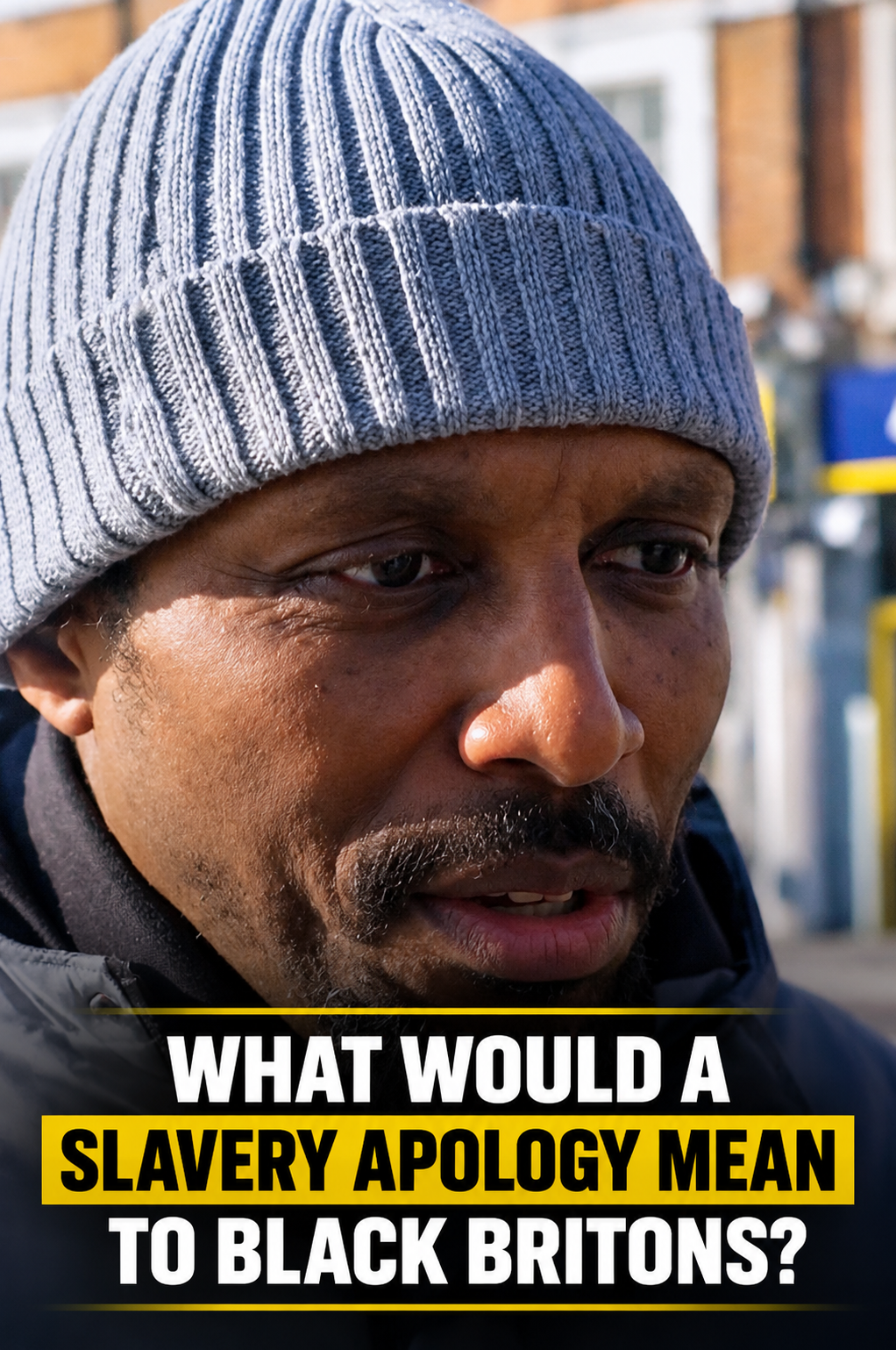
Residents in South London share their thoughts on the possibility of a formal apology for Britain’s role in slavery, with opinions ranging from hope and relief to deep scepticism.
Brixton Residents Reflect on Britain’s Slavery Legacy
A possible formal apology from Britain for its historical involvement in slavery has sparked renewed discussion about the country’s colonial past and its lasting impact on society.
During a walking tour exploring Caribbean history in Brixton, South London, residents were asked what a formal apology would mean to them as the government considers responding to calls for greater recognition of slavery and its consequences.
The discussion comes after Prime Minister Andy Burnham expressed openness to hearing calls for a formal apology. He has also acknowledged that slavery continues to shape the world today.
For many people in Brixton, the issue is not simply about acknowledging historical events. It is also about recognising the suffering experienced by generations of people and understanding how those experiences continue to influence communities today.
Some Residents Believe an Apology Could Be a Step Towards Reconciliation
Several residents welcomed the possibility of a formal apology, particularly if it came from King Charles III as head of state.
One participant explained that an apology from the King could represent the beginning of an effort to repair some of the historical damage caused by slavery.
“It would mean the beginning to repair some of what had gone wrong.”
For this resident, the importance of an apology lies in acknowledging the suffering endured by enslaved people and their descendants, rather than continuing to deny or overlook the historical reality.
Another participant expressed support for the idea, suggesting that an apology was long overdue and that Britain should finally take this step.
Others described the possibility as a source of emotional relief, particularly for families whose experiences and histories have been shaped by the legacy of slavery.
Concerns That an Apology Could Be Meaningless Without Action
Despite the positive reactions, not everyone believes that a formal apology would be enough to address the historical injustice.
One resident made it clear that an apology without meaningful action would have little value.
“Apology without any substance is just words.”
The comment reflects a broader concern that acknowledging historical wrongdoing should be accompanied by meaningful efforts to address its lasting consequences.
For those who hold this view, the significance of an apology depends not only on the words spoken but also on what follows afterward.
Scepticism Remains Over Whether the King Will Apologise
Other residents expressed doubts about whether King Charles III would issue a direct and meaningful apology.
One participant, who has lived in the area throughout their life, said they did not believe the King would apologise in a straightforward manner.
They suggested that any statement could use complicated or formal language that might sound like an apology without clearly accepting responsibility.
This scepticism highlights the importance of clarity and sincerity when addressing such a sensitive historical issue.
For some members of the community, a carefully worded statement would not be enough if it failed to communicate a genuine acknowledgement of the suffering caused by slavery.
Calls for Recognition of Historical Injustice Continue
Although some residents believe the opportunity for an apology has come very late, they still hope that such a gesture could encourage wider recognition of Britain’s historical involvement in slavery.
One participant said that an apology from King Charles could help other people understand the seriousness of the issue and recognise the importance of confronting the country’s past.
However, the discussion also raised questions about the continuing benefits enjoyed by powerful families and institutions with historical connections to slavery.
One resident argued that the royal family and aristocracy continue to benefit from the suffering and exploitation experienced by their ancestors’ victims.
These concerns demonstrate why the debate extends beyond a formal statement. For many people, it is also about historical accountability, recognition and the consequences of past injustices.
A Formal Apology Could Be Only the Beginning
The conversations in Brixton reveal a range of perspectives on Britain’s possible formal apology for slavery.
While some residents see it as an important step towards recognition and reconciliation, others question whether an apology would carry genuine meaning without further action.
There is also uncertainty about whether the King would deliver a direct apology and whether such a statement would adequately address the experiences of communities affected by slavery.
Ultimately, the discussion reflects a wider debate about how Britain should confront its history and recognise the lasting impact of slavery on present-day society.
For the people who shared their views in Brixton, the central issue remains clear: acknowledging the past matters, but the sincerity and substance of that acknowledgement matter just as much.