A major disruption to the United States air traffic control system has caused thousands of flight delays and cancellations, leaving passengers stranded at airports and disrupting travel schedules across the country. The incident, which resulted in one of the longest nationwide ground stops in US aviation history since September 11, highlighted growing concerns about the reliability of aging air traffic management infrastructure.
Thousands of Flights Affected by Nationwide Ground Stop
The disruption forced aviation authorities to temporarily restrict air traffic across the United States. At one point, fewer than 10 percent of normal air traffic was operating, demonstrating the scale of the operational challenges facing the country’s aviation network.
Thousands of flights were delayed or canceled as airlines and airport operators struggled to manage the situation. Some passengers experienced delays lasting several hours, while others had their travel plans completely disrupted by cancellations.
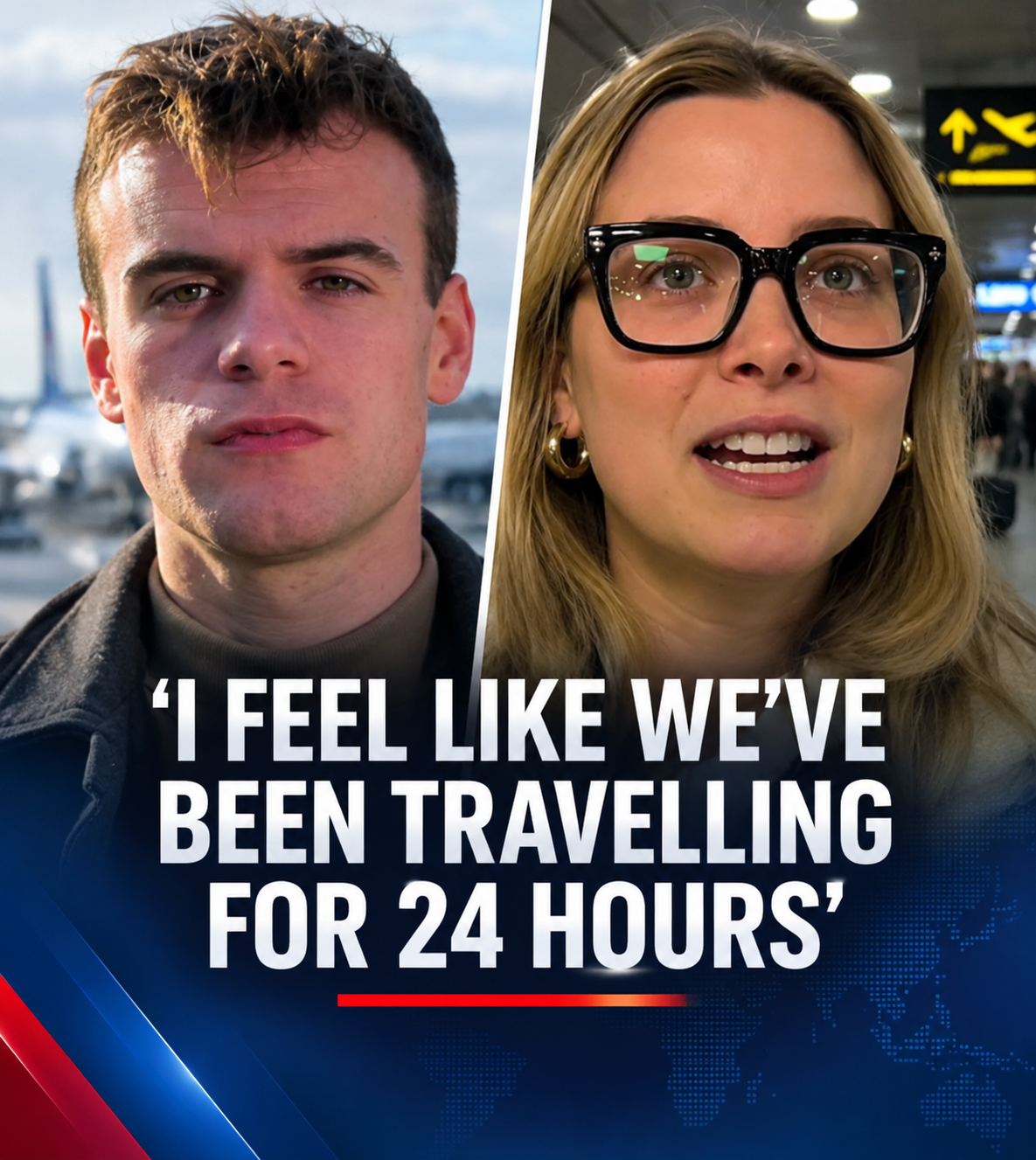
Travelers described exhausting journeys, with some saying they had effectively spent almost an entire day trying to reach their destinations.
Passengers Describe Exhausting Travel Experiences
At Heathrow Airport in the United Kingdom, passengers arriving from the United States were among those most affected by the disruption. Although some departing flights in the UK also experienced delays, travelers arriving from American airports faced particularly difficult journeys.
One passenger traveling from Minnesota reported experiencing an approximately four-hour delay. A friend’s flight, which was scheduled to arrive from Mississippi, was canceled, preventing them from reaching their destination as planned.
Other travelers described spending several hours waiting at connecting airports after learning that the Federal Aviation Administration (FAA) had introduced nationwide ground restrictions.
A passenger traveling from San Diego explained that the journey included a stop in Minneapolis, where they discovered that the FAA had implemented the ground stop. They subsequently spent approximately five and a half hours waiting before their flight was finally able to depart.
Passengers also described increasingly crowded airport terminals as cancellations began to accumulate. Some travelers said they watched airport activity gradually decline as more flights were removed from departure schedules.
Despite the difficulties, several passengers considered themselves fortunate to have secured seats on flights that eventually departed.
Outdated Aviation Technology Raises Concerns
The disruption has renewed questions about the condition of the United States’ air traffic control infrastructure and whether existing systems can adequately support increasing aviation demand.
The US Transport Secretary said the incident was not believed to have been caused by a cyberattack or an artificial intelligence malfunction. Instead, attention has turned toward aging air traffic control technology and long-standing investment challenges.
Experts have repeatedly raised concerns about outdated aviation infrastructure, warning that older communication and air traffic management systems may struggle to handle the growing complexity of modern air travel.
The situation also highlights similar challenges in other countries, including the United Kingdom, where previous technical disruptions have raised concerns about the need for continued investment and modernization.
Modernization Could Take Several Years
Replacing or upgrading major air traffic control infrastructure is a complex process that requires significant investment, technical planning, and careful coordination to avoid disrupting daily aviation operations.
According to comments made during the discussion, fully updating or replacing the affected systems could take another two to three years.
Such a lengthy modernization period presents challenges for an aviation industry experiencing continued growth in passenger demand and flight operations.
With airlines expected to operate more flights in the coming years, air traffic management systems will face increasing pressure to maintain efficiency, reliability, and safety.
Flights Resume but Travel Disruptions Continue
After approximately four hours, flights across the affected US aviation network began to resume. However, restoring normal operations was not immediate.
When large numbers of flights are delayed or canceled, the effects can continue long after the original technical problem has been resolved. Aircraft and flight crews may be out of position, airport schedules can become congested, and passengers may need to rearrange connecting journeys.
As a result, travelers were warned that the consequences of the disruption could continue well beyond the initial ground stop.
What the Incident Means for the Future of Air Travel
The nationwide disruption serves as a reminder of how dependent modern air travel is on reliable air traffic control technology. Even a temporary technical problem can affect thousands of passengers and create operational challenges across multiple countries.
As global air traffic continues to grow, investment in modern aviation infrastructure will remain essential. More reliable communication systems, improved operational technology, and long-term modernization strategies could help reduce the risk of similar disruptions in the future.
For passengers, the incident also highlights the importance of monitoring flight updates, allowing additional time for connecting journeys, and staying informed when major aviation disruptions occur.