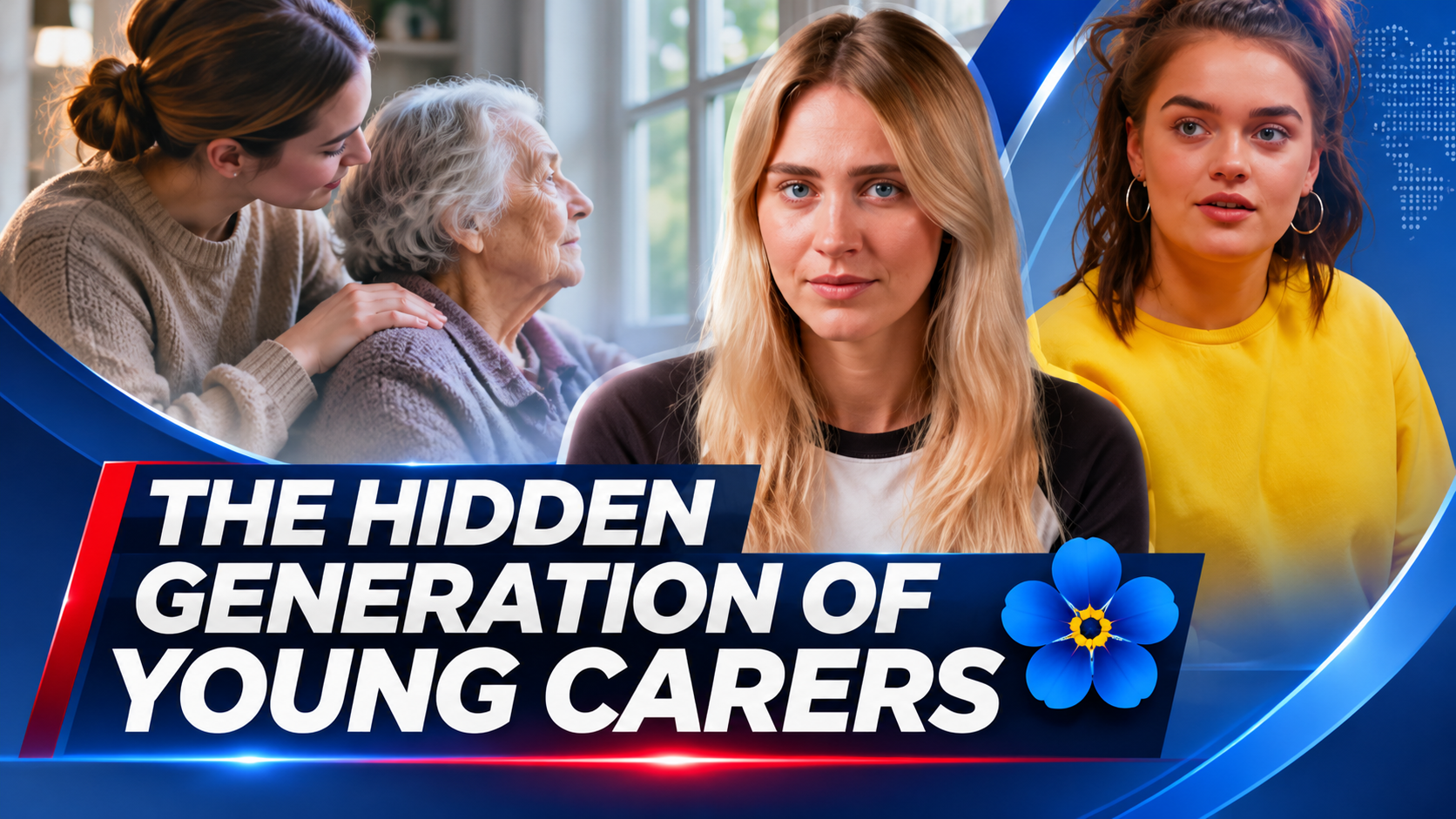
Every year, families and friends around the world are estimated to spend approximately 133 billion hours caring for loved ones with dementia. According to the World Health Organization (WHO), this enormous figure is equivalent to around 67 million full-time jobs.
Behind these staggering numbers are millions of people making personal sacrifices to support those they love. Among them are young people whose own lives are only just beginning, yet who already carry significant caregiving responsibilities.
The Growing Responsibilities of Young Carers
While many young people are concentrating on school examinations, attending university, or starting their first jobs, others are balancing these important milestones with caring for a parent, grandparent, or another family member living with a health condition.
Their responsibilities are often carried out quietly and without much recognition. Everyday tasks can include preparing meals, organizing medical appointments, managing medication schedules, helping with household activities, and providing emotional support.
Although these responsibilities may appear small individually, they can become a substantial commitment when performed regularly. For young carers, balancing family needs with education, friendships, and personal development can be particularly challenging.
One in Ten Young People Provides Unpaid Care
Research conducted by researchers at University College London and St George’s, University of London, highlights the scale of unpaid caregiving among younger generations across Europe.
The study estimates that approximately one in ten young people aged between 15 and 29 provides unpaid care for someone living with a health condition or disability.
These findings highlight an important issue: caregiving is not limited to older family members. Many young adults are also taking on responsibilities that can significantly influence their daily routines, educational experiences, and future opportunities.
How Caring Responsibilities Affect Education and Employment
Providing care for a loved one can be a meaningful experience, but it can also create challenges for young people’s personal and professional development.
Research suggests that young carers are more likely to miss out on educational and employment opportunities compared with their peers who do not have similar responsibilities.
Time spent attending appointments, supporting family members, and managing household responsibilities may leave fewer opportunities for studying, participating in extracurricular activities, or gaining valuable work experience.
For some young people, these demands can make it difficult to pursue higher education or accept employment opportunities that require greater flexibility and availability.
The Mental Health Challenges Facing Young Carers
The emotional impact of caregiving is another important concern. Supporting someone living with dementia can involve uncertainty, emotional stress, and significant changes in family relationships.
According to the research highlighted by the universities, young people providing more than 20 hours of care each week are almost twice as likely to report poor mental health.
These findings underline the importance of recognizing young carers as a group that may need additional emotional and practical support.
Access to appropriate support services, understanding from educational institutions, and assistance from other family members can help reduce the pressure associated with long-term caregiving.
Recognizing the Value of Family Caregiving
Despite the challenges, caring for someone close to you can also be an incredibly meaningful experience. Many young carers provide support out of love, commitment, and a desire to improve the quality of life of someone important to them.
Every hour spent helping a family member represents time, energy, and compassion. However, recognizing the value of this contribution should also mean acknowledging the challenges that young carers face.
No young person should feel that they must manage these responsibilities entirely alone or sacrifice their education, career prospects, and personal development because of their family’s circumstances.
Why Support for Families Affected by Dementia Matters
Dementia affects millions of people worldwide, and its consequences extend beyond the individual diagnosed with the condition. Family members, friends, and caregivers can also experience significant changes in their everyday lives.
As the global number of people living with dementia continues to represent a major public health challenge, accessible support for families and unpaid carers remains essential.
Providing information, emotional assistance, practical guidance, and opportunities for respite can help families manage caregiving responsibilities more effectively.
Young carers, in particular, deserve recognition and access to support that allows them to continue their education, develop their careers, and enjoy the opportunities associated with their age.
Supporting Alzheimer’s Society and People Affected by Dementia
Raising awareness and supporting organizations dedicated to dementia care can make a meaningful difference to affected families.
Fundraising initiatives for the Alzheimer’s Society aim to help ensure that people living with dementia, their families, and those providing unpaid care can access the support and assistance they deserve.
By recognizing the experiences of young carers and encouraging greater access to support services, communities can help create a more supportive environment for everyone affected by dementia.
Conclusion
The estimated 133 billion hours spent caring for people with dementia each year represent an extraordinary contribution from families and friends around the world. However, behind this figure are young people whose own futures can be affected by the responsibilities they carry.
While family caregiving is often an expression of love and compassion, young carers should not have to choose between supporting someone they love and building a future of their own.
Greater awareness, practical assistance, and accessible support services are essential to ensuring that caregivers receive the care and recognition they deserve.