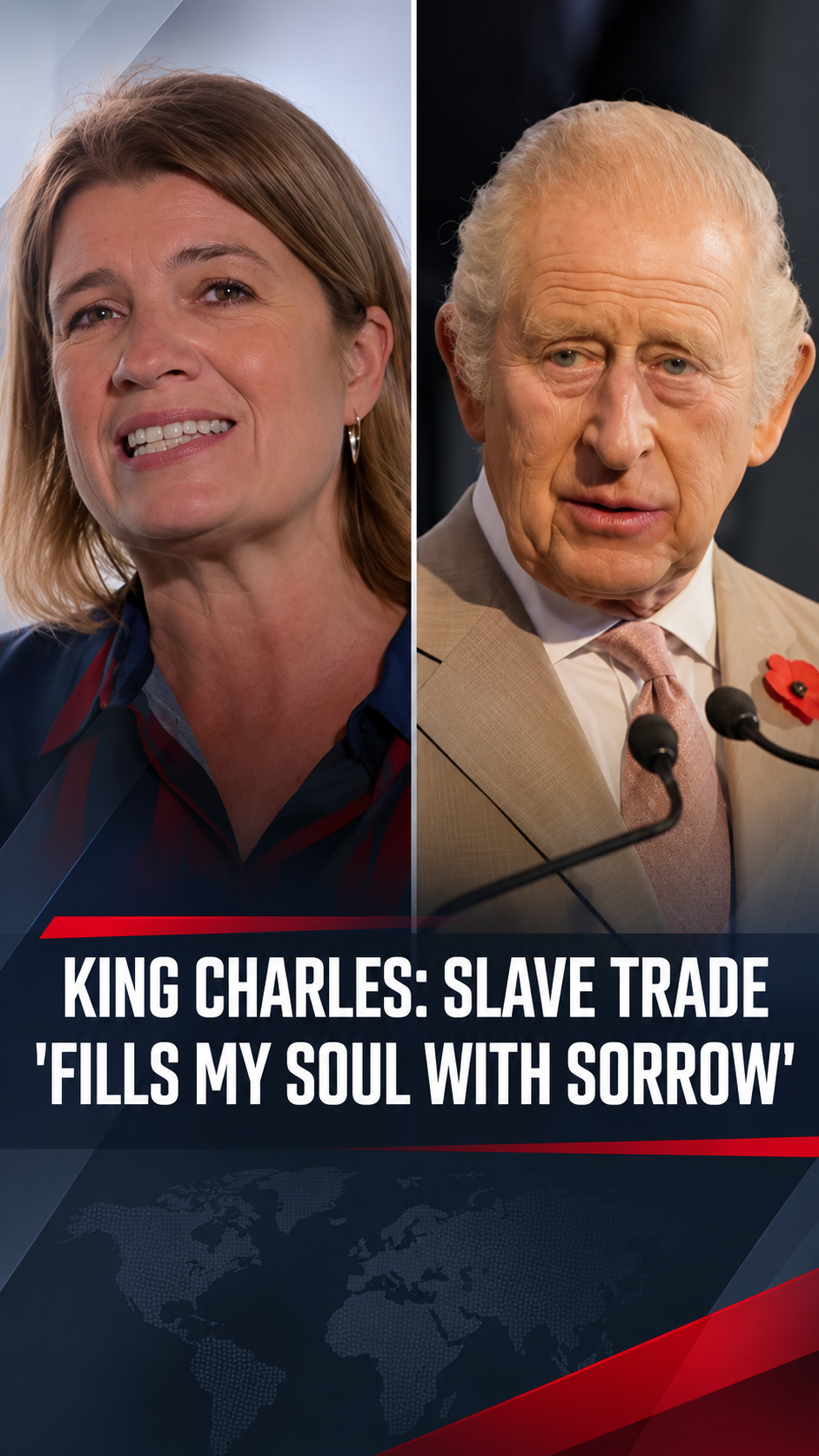
King Charles has expressed profound personal sorrow over the history of slavery during a speech to Commonwealth leaders in the Caribbean, as pressure continues to grow on the United Kingdom to address its historical role in the transatlantic slave trade.
Speaking at a gathering of Commonwealth representatives, the King acknowledged the lasting impact of slavery and colonialism, describing the period as a shameful chapter in history. His remarks came amid renewed calls from Caribbean nations for Britain to consider reparations and take meaningful action to address historical injustices.
King Addresses the Legacy of Slavery
In a carefully delivered speech, King Charles spoke directly about the suffering associated with the transatlantic slave trade and its enduring consequences.
He described the history of slavery as something that filled his heart with horror and his soul with profound personal sorrow.
The King also emphasized that history demonstrates how courage and determination can help societies overcome even the most serious injustices. He referred to the historic efforts to abolish the international trade in enslaved people as an example of how collective action can bring about meaningful change.
His comments were closely watched by representatives from across the Commonwealth, particularly those from Caribbean nations where the legacy of slavery remains an important political and social issue.
Growing Pressure on Britain Over Reparations
The King’s remarks came at a time when the British government faces increasing pressure to address its historical involvement in slavery and colonialism.
Several Caribbean leaders have argued that acknowledging the past should be accompanied by practical measures to address its long-term consequences. Their calls include discussions about reparations, economic development, education, and addressing inequalities linked to the colonial period.
Although the King did not issue a formal apology or announce any reparations policy, he acknowledged that the consequences of slavery continue to affect Commonwealth societies.
He also highlighted his growing commitment to understanding these historical issues and finding opportunities for modern partnerships that could address past wrongs through constructive action for the future.
Constitutional Role Limits the King’s Involvement
Despite the significance of his comments, King Charles remains constitutionally required to stay outside political decision-making. As Britain’s monarch, he cannot independently determine government policy or negotiate financial reparations.
His role is therefore largely symbolic and diplomatic, allowing him to acknowledge historical concerns while leaving political decisions to elected representatives and governments.
Discussions about Britain’s historical responsibility and the possibility of a formal apology have nevertheless continued. Such conversations reflect the wider debate about how the country should respond to the consequences of its involvement in the transatlantic slave trade.
Caribbean Leaders Call for Meaningful Action
While the King’s acknowledgment was welcomed as an important recognition of historical suffering, it did not satisfy everyone attending the gathering.
Some Caribbean representatives have stressed that their countries are not simply seeking recognition of historical events. They also want greater attention given to the economic, social, and institutional challenges that they believe are connected to the legacy of slavery and colonial rule.
Their position is that addressing historical injustice requires looking beyond words and developing practical measures that can improve opportunities and living conditions for future generations.
One recurring message from Caribbean leaders is that acknowledging the past should not mean remaining trapped in it. Instead, historical recognition should provide a foundation for cooperation, development, and a more equitable future.
A Delicate Moment for the Commonwealth
The King’s speech represented an important moment during a politically sensitive Commonwealth gathering. Every statement carried significance, given the different expectations among participating countries.
For the Palace, the challenge was to recognize the seriousness of historical grievances without crossing the constitutional boundaries of the monarchy.
Although the speech may not resolve disagreements over reparations or Britain’s historical responsibilities, it demonstrated the King’s willingness to address a difficult subject publicly and acknowledge the continuing impact of slavery.
Whether his message will satisfy Caribbean leaders remains uncertain. However, the debate surrounding reparations, historical accountability, and the future relationship between Britain and Caribbean nations is likely to remain an important issue within the Commonwealth.
Conclusion
King Charles’s remarks highlighted the continuing significance of slavery and colonialism in discussions about Britain’s relationship with Caribbean nations. His expression of personal sorrow marked a notable acknowledgment of historical suffering, but it also exposed the difference between symbolic recognition and the practical action sought by some Commonwealth leaders.
As discussions continue, the challenge for Britain and its Caribbean partners will be finding constructive ways to address historical grievances while building a more cooperative and equitable future.