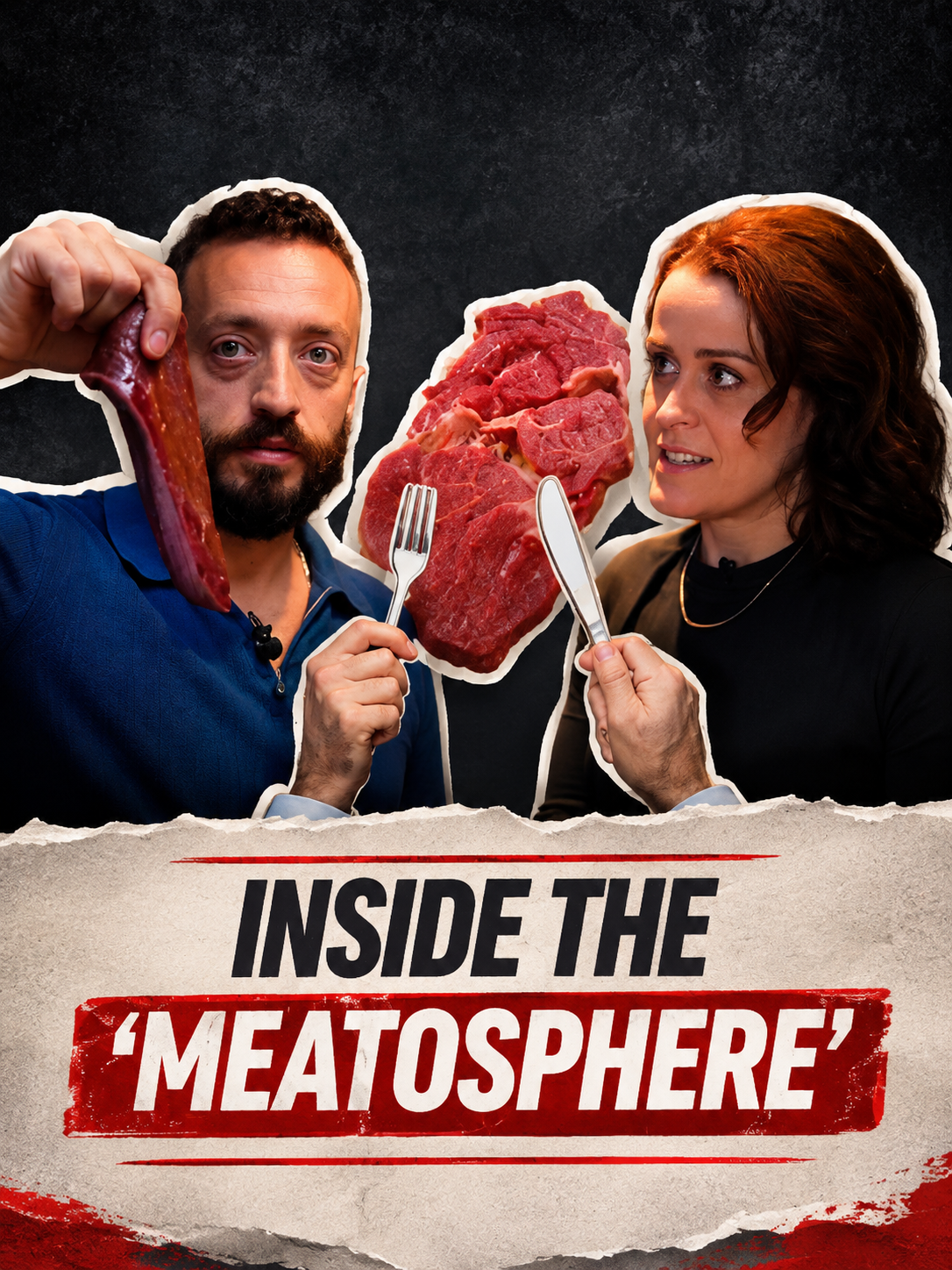
The carnivore diet is attracting growing attention across social media, particularly among young men interested in fitness, physical appearance, and alternative approaches to nutrition. But what does science say about this increasingly popular eating pattern?
What Is the Carnivore Diet?
The carnivore diet is an extremely restrictive eating pattern that focuses almost entirely on animal-derived foods. Depending on individual preferences, followers may consume beef, chicken, fish, eggs, animal fats, and organ meats such as liver.
Some people following this lifestyle also consume raw animal products, including uncooked liver and raw eggs. Unlike conventional dietary approaches, the carnivore diet excludes vegetables and most other plant-based foods entirely.
This restriction makes it one of the more extreme dietary patterns currently discussed in online health and fitness communities.
Why Is the Carnivore Diet Becoming Popular Among Young Men?
Social media has played a significant role in introducing the carnivore diet to a wider audience. Influencers and online personalities frequently present it as a lifestyle associated with physical transformation, discipline, and masculinity.
A growing online community sometimes described as the “meatosphere” promotes meat-centered eating as part of a broader philosophy involving fitness, traditional lifestyles, and the pursuit of an ideal male physique.
For some followers, the motivation is primarily aesthetic. Others approach the diet from a health perspective, hoping to address persistent symptoms or find alternatives after experiencing limited results with previous dietary changes.
Personal Experiences: Health Improvements or Individual Perceptions?
People who follow the carnivore diet often share personal accounts of how their eating habits have changed their lives. Some describe feeling less inflammation, experiencing improvements in their general well-being, or noticing changes in their physical appearance.
However, individual experiences should not automatically be interpreted as evidence that a particular diet is effective for everyone.
Changes in health can be influenced by several factors, including overall calorie intake, food quality, lifestyle habits, existing medical conditions, and other dietary changes. Personal testimonials cannot replace properly conducted scientific research.
What Do Nutrition Experts Say?
Despite its popularity online, the carnivore diet remains controversial among nutrition professionals.
Nutritionists have raised concerns about the restrictive nature of the eating pattern, particularly because it removes entire categories of foods that are commonly included in balanced dietary recommendations.
Eliminating vegetables, fruits, legumes, and whole grains can make it more difficult to obtain a broad range of essential nutrients and dietary fiber.
Another concern involves the frequent consumption of red meat and processed meat products. The long-term effects of following an exclusively animal-based eating pattern are not yet sufficiently established through high-quality research.
The Risks of Eating Raw Meat and Eggs
One particularly controversial aspect of the carnivore diet is the consumption of raw animal products.
Some followers include uncooked liver and raw eggs in their daily meals, believing these foods provide nutritional benefits or fit their preferred ancestral eating philosophy.
However, consuming raw animal products can introduce food safety risks. Raw meat and eggs may contain harmful microorganisms that can cause foodborne illness.
Proper food handling, storage, and cooking are important measures for reducing these risks. People with weakened immune systems, pregnant individuals, young children, and older adults may be particularly vulnerable to complications from foodborne infections.
The Influence of Social Media on Modern Nutrition
The growing popularity of the carnivore diet reflects a broader shift in how people discover and evaluate health information.
Social media platforms allow individuals to share personal experiences, document physical transformations, and build communities around specific lifestyles.
While this can help people exchange information, it also creates challenges. Content that presents dramatic results or unconventional health claims can attract significant attention, even when scientific evidence remains limited.
Online discussions about nutrition increasingly overlap with personal identity, fitness culture, and political beliefs. Food choices can therefore become expressions of personal philosophy and social belonging.
Is the Carnivore Diet a Healthy Long-Term Choice?
There is currently insufficient long-term scientific evidence to establish that the carnivore diet is a safe and effective nutritional strategy for the general population.
Although some individuals report positive experiences, those results do not demonstrate that the diet provides superior health outcomes compared with more balanced eating patterns.
Anyone considering a major dietary change, particularly for managing an existing health condition, should consult a qualified healthcare professional or registered dietitian.
Conclusion
The carnivore diet has become more than a nutritional trend. For many followers, it represents a lifestyle connected to fitness, personal transformation, and a search for better health.
Its growing popularity demonstrates the influence of social media on modern eating habits. However, popularity does not necessarily establish nutritional value or long-term safety.
While personal experiences deserve consideration, dietary decisions should ultimately be guided by reliable scientific evidence and professional nutritional advice.