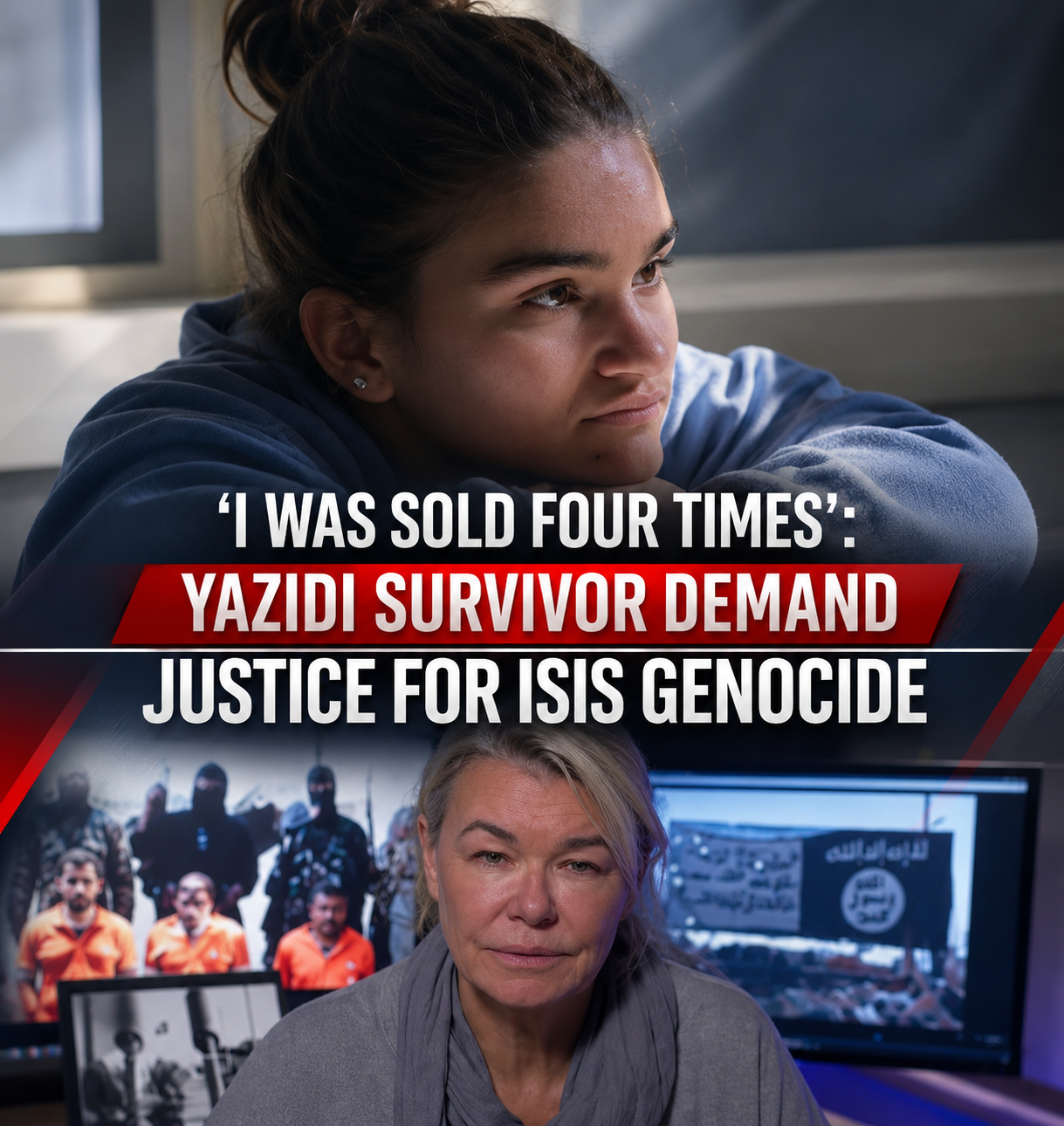
A two-day initiative in Germany aims to gather evidence of atrocities committed by ISIS against the Yazidi community and encourage international prosecutions.
A Truth Commission held in Germany is seeking to advance justice for the Yazidi people, who suffered widespread persecution and atrocities at the hands of Islamic State (ISIS) militants. The initiative aims to document survivors’ experiences, collect evidence, and encourage governments to prosecute individuals responsible for crimes against humanity and genocide.
Despite international recognition of the atrocities committed against the Yazidi population, many survivors continue to wait for justice. Advocates say that holding perpetrators accountable is essential not only for victims and their families but also for preventing similar crimes in the future.
Understanding the Purpose of the Truth Commission
The two-day Truth Commission in Germany brings together survivors, human rights advocates, and representatives working to address the legacy of ISIS crimes against the Yazidi community.
Its primary objective is to gather testimonies and supporting evidence that could strengthen efforts to prosecute individuals responsible for genocide and other international crimes.
Although the commission itself is not a criminal court, the information collected may help support legal proceedings and increase pressure on national governments to investigate suspected perpetrators.
For survivors, the initiative represents an important opportunity to have their experiences formally acknowledged after years of suffering and uncertainty.
How ISIS Targeted the Yazidi Community in 2014
In 2014, ISIS expanded its control across large areas of Iraq and Syria, establishing what the extremist organization described as a caliphate.
During this period, the Yazidi community became one of its primary targets. Thousands of Yazidis were killed, while many others were captured, displaced, or subjected to severe human rights abuses.
Women and children were particularly vulnerable. Thousands were abducted and subjected to forced captivity, sexual violence, and other forms of exploitation.
Mass graves discovered in areas previously controlled by ISIS later provided further evidence of the scale of the atrocities committed against the population.
International Recognition of the Yazidi Genocide
It took several years for international institutions and governments to formally recognize the scale and nature of the crimes committed against the Yazidi people.
The United Nations, European Union, and United Kingdom have all recognized that ISIS’s attacks against the Yazidi community constituted genocide.
This recognition was an important step toward international accountability. However, acknowledging genocide does not automatically result in criminal prosecutions.
Many survivors and human rights organizations continue to call for more effective legal action against individuals who participated in or facilitated these crimes.
Survivors Continue to Share Their Experiences
Among those affected was Madea, who was just nine years old when she was captured by ISIS militants and forced into slavery.
Her experiences reflect the devastating impact of the group’s systematic violence against Yazidi women and children.
One way she has chosen to cope with her trauma is through filmmaking, using her personal story to raise awareness about what happened to her community.
Sharing these experiences can be emotionally difficult, but survivors and advocates believe that documenting the truth is essential to ensuring that their suffering is not forgotten.
For many Yazidi women who experienced enslavement and sexual violence, the absence of meaningful justice remains a major source of frustration.
The Role of Foreign ISIS Fighters in the Pursuit of Justice
The international campaign against ISIS involved a coalition of approximately 80 countries. However, the extremist organization had also attracted thousands of foreign recruits from different parts of the world.
Among them were hundreds of British nationals who travelled to join the group. Reports indicated that approximately 400 British individuals were believed to have returned to the United Kingdom after the conflict.
The issue of returning foreign fighters has raised important questions about international responsibility, criminal investigations, and the prosecution of individuals suspected of participating in atrocities.
Advocates argue that people accused of committing serious international crimes should not escape accountability simply because they have returned to their home countries.
They emphasize that governments have a responsibility to investigate credible allegations and pursue appropriate legal action wherever sufficient evidence exists.
Why Accountability Matters for Yazidi Survivors
For the Yazidi community, justice is about more than punishing those responsible. It is also about recognizing the suffering of survivors, restoring dignity, and ensuring that their experiences are officially acknowledged.
Holding perpetrators accountable can help survivors feel that their voices have been heard and that the international community has not abandoned them.
The proceedings could also establish important precedents for addressing future cases of genocide and crimes against humanity.
Legal accountability sends a broader message that systematic persecution, mass killings, enslavement, and other serious human rights violations cannot be ignored.
A Long Road Toward Justice
More than a decade after the 2014 attacks, many Yazidi survivors are still waiting for meaningful accountability. While international recognition of the genocide marked a significant milestone, the pursuit of justice remains an ongoing challenge.
The Truth Commission in Germany represents another effort to preserve evidence, amplify survivors’ voices, and encourage governments to take further legal action.
For the Yazidi people, the ultimate goal is clear: those responsible for the atrocities must face justice, and the suffering of their community must never be forgotten.